

VR Trade Training Programs: Find the Right Certification for Solar, HVAC, Plumbing & More
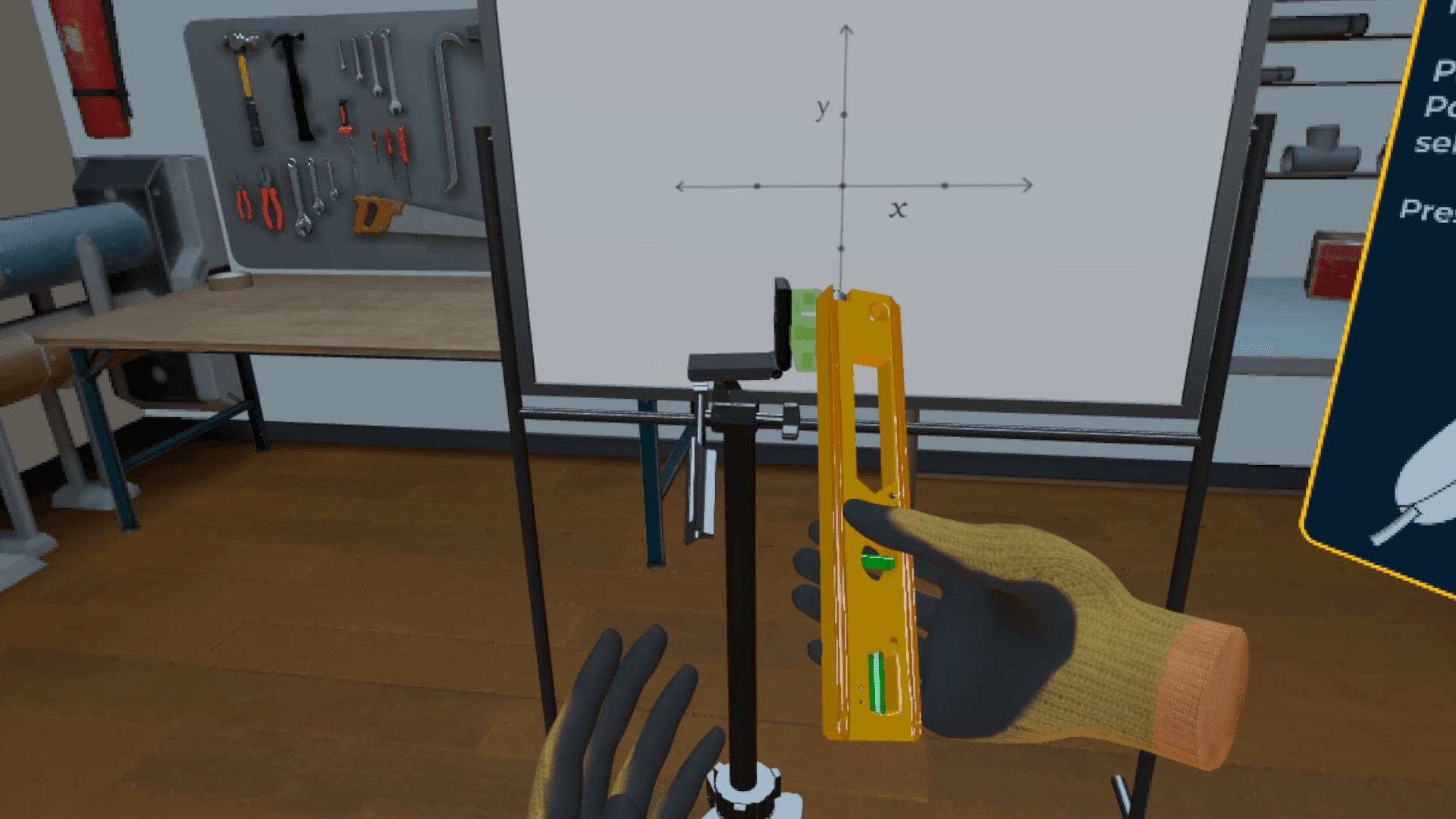
Traditional workforce development often struggles with long waitlists, outdated infrastructure, rising costs, and limited hands-on training. As industries like renewable energy, healthcare, and skilled trades face growing labor demand, VR Trade Training Programs provide a scalable, efficient solution.
These virtual reality career platforms offer immersive, flexible, and affordable learning anytime, anywhere, transforming vocational education in plumbing, HVAC, welding, and electrical work. Learners gain faster, accessible certification pathways and real-world skills without typical workplace barriers.
Take control of your career today. Your future starts here.
VR Trade Training Programs Transform Skilled Trades
Traditional apprenticeships and on-site programs face high costs, risks, and limited access. VR Trade Training Programs provide scalable, immersive 3D simulations of wiring, welding, and HVAC tasks, enabling self-paced skill development and hands-on experience for career-ready competencies.
Overcoming Skilled Workforce Challenges
These virtual learning solutions address key obstacles like safety, accessibility, cost, and scalability, offering repeatable, fully job-ready practice.
Key Benefits of VR Trade Training Programs:
– Safe Skill Practice: Learn high-risk tasks like welding, HVAC, or electrical work in a controlled virtual environment.
– Anytime Access: Build expertise remotely without travel.
– Lower Costs: Minimize reliance on physical tools, labs, and consumables.
– Unlimited Repetition: Practice complex tasks multiple times without additional instructors.
– Scalable & Standardized: Deliver consistent, high-quality instruction anywhere.
In a 2022 NCCER pilot study, participants in immersive VR learning scored 75% on certification exams versus 53% in traditional labs, and all graduates secured employment.
Top Trades You Can Learn Through VR Trade Training
Immersive Renewable Energy Programs are transforming hands-on learning in solar and high-voltage electrical systems. These experiences are part of VR Trade Training Programs, providing practical, career-ready skills in a virtual environment.
1. Solar Energy System Deployment:
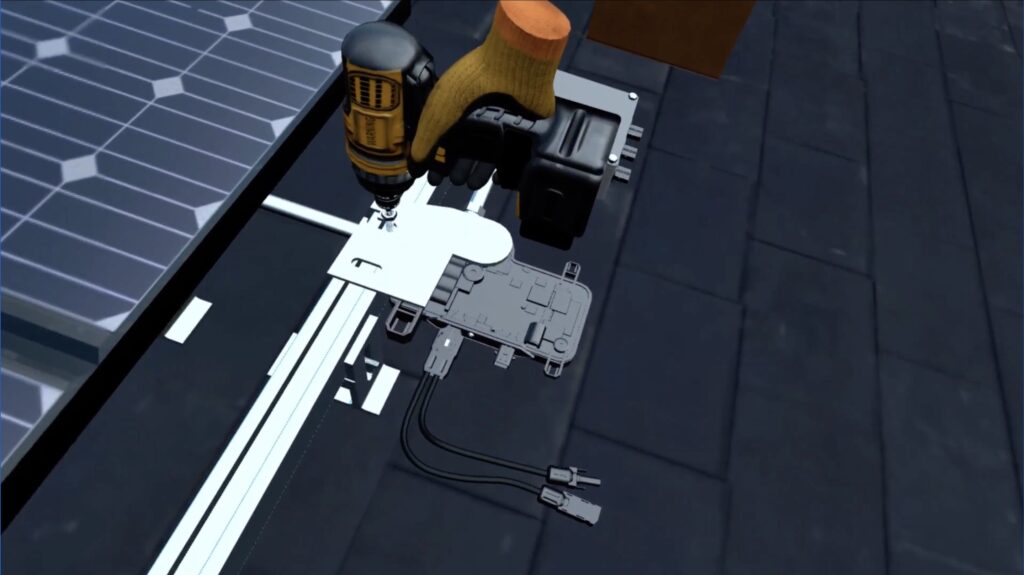
With renewable energy jobs booming, solar technicians must be precise and safety-conscious in high-risk environments. Through hands-on solar programs, participants can master:
– Mounting and positioning solar panels
– Electrical network connections and safety protocols
– Rooftop exercises with fall-risk awareness
– Troubleshooting and maintenance workflows
Why it matters:
With virtual practical exercises, learners can repeatedly practice solar system deployments and fault diagnosis without risking injury, wasting materials, or relying on weather conditions.
Explore our Solar System Practical Pathway to get job-ready faster.
2. Plumbing Training:
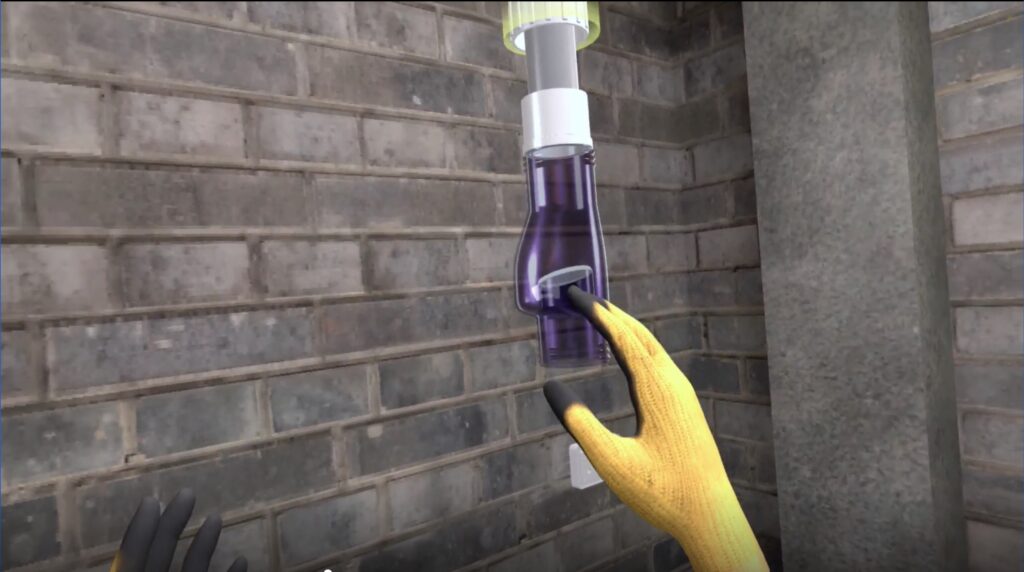
Our Virtual Plumbing Training provides a detailed 3D environment where learners practice safely without wasting materials or accessing live pipes. Skills covered include:
– Pipe installation and fixture alignment
– Leak detection and repair strategies
– Local plumbing code compliance
– System disassembly and reassembly
The benefit:
Learners gain hands-on experience, build muscle memory through repetition, and reduce costly mistakes on actual job sites.
See how our Plumbing Training builds confident, career-ready plumbers.
3. HVAC (Heating, Ventilation, and Air Conditioning)Training:
HVAC professionals need to understand complex systems and seasonal variables. Our VR HVAC modules train learners to:
– Install and maintain heating and cooling units
– Diagnose compressor and refrigerant issues
– Navigate ventilation designs and airflow simulations
– Follow safe refrigerant handling procedures
Real-world advantage:
VR simulations replicate various climates, helping technicians understand system responses in extreme heat or cold without waiting for seasonal changes.
Explore the VR HVAC Training Program.
4. Welding Skills in VR Training:
Welding demands precision, safety, and real-time feedback, making VR Trade Training Programs ideal. Our VR Welding modules allow learners to practice:
– Techniques like MIG, TIG, and Stick welding
– Control of heat, arc length, and welding angles
– Joint preparation and finishing
– Error correction in simulated environments
Why it works:
Learners receive immediate feedback on posture, speed, and accuracy while avoiding burns, fumes, and wasted materials.
5. Electrical Work Training in VR:
Electricians face high-risk environments where safety and technical knowledge are essential. VR modules train future electricians to:
– Work on residential and commercial wiring systems
– Diagnose shorts and circuit issues
– Install panels, outlets, and breakers
– Practice code-compliant installations
Why it matters:
Simulated electrical faults build troubleshooting confidence, letting learners gain real-world problem-solving skills safely.
Choosing the Right VR Trade Training Program & Certification
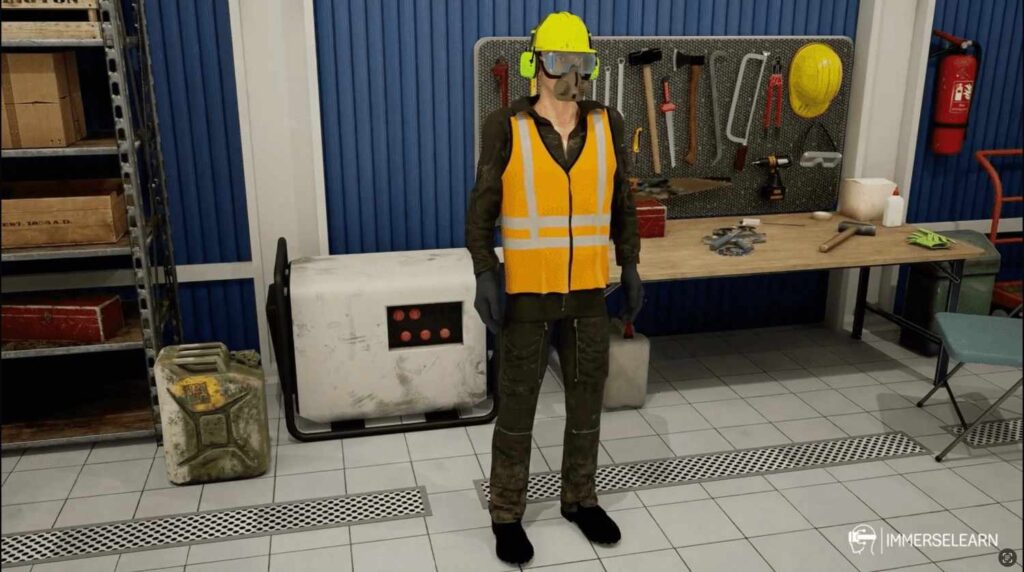
The right VR Trade Training Programs equip students, career changers, and workforce participants with industry-aligned skills and certifications trusted by employers. Here’s how to choose wisely:
1. Identify Your Career Goals:
Decide whether to specialize in a single trade like HVAC or pursue a multi-trade path (HVAC + Plumbing + Solar). Your objectives determine the ideal program and certification route.
2. Research Certification Requirements:
Select programs aligned with credentials like EPA Section 608 (HVAC), NABCEP (solar), OSHA 10/30, or Journeyman Electrician license. These certifications enhance credibility and employability.
Pro Tip: Choose providers like ImmerseLearn that follow NCCER, EPA 608, and nationally recognized standards.
3. Features to Look for in a VR Trade Program:
– Modules aligned with certifications
– Progress tracking with actionable feedback
– Scenario-based, hands-on simulations
– Self-paced flexibility
– Built-in exam preparation
Partnering with an accredited provider ensures your skills meet industry standards and build real-world confidence.
4. Evaluating Cost vs Long-Term Benefits:
While VR skill programs require upfront investment, they reduce equipment costs, accelerate certifications, and improve job readiness, offering faster workforce entry and lasting professional confidence.
VR vs Traditional Trade School: A Quick Comparison
As skilled occupations evolve, students and career changers increasingly prefer VR Trade Training Programs for flexibility, safety, and cost-effectiveness compared to conventional trade schools.
| Criteria | VR Trade Training | Traditional Trade School |
| Cost | Lower long-term expenses—no tools, materials, or facility upkeep. | Higher costs from tools, materials, instructor salaries, and facilities. |
| Flexibility | Self-paced, remote—learn anytime, anywhere. | Fixed schedules and location-bound classes. |
| Safety | Risk-free simulations with zero hazards. | Exposure to real hazards in HVAC, plumbing, and electrical fields. |
| Hands-On Practice | Realistic 3D simulations allow repeated practice. | Physical practice is often limited by resources or class size. |
| Retention & Results | Higher engagement and retention through hands-on learning. | Results vary by instructor and facility; may lack consistency. |
Both approaches teach skills, but interactive solutions are more scalable, affordable, and engaging.
Future-Proof Your Career with VR Trade Training
Technical careers are evolving rapidly with emerging technologies and workforce demands. Our courses provide realistic hands-on experience in welding, electrical work, plumbing, and solar energy. Practice safely, repeat complex tasks, and develop muscle memory without expensive tools or hazards. Whether starting out or advancing your expertise, immersive instruction keeps you competitive and job-ready.
Take the next step: Explore ImmerseLearn’s VR Trade Training Programs and prepare for the future of skilled professions today.