

EPA Section 608 Certification with VR HVAC Training
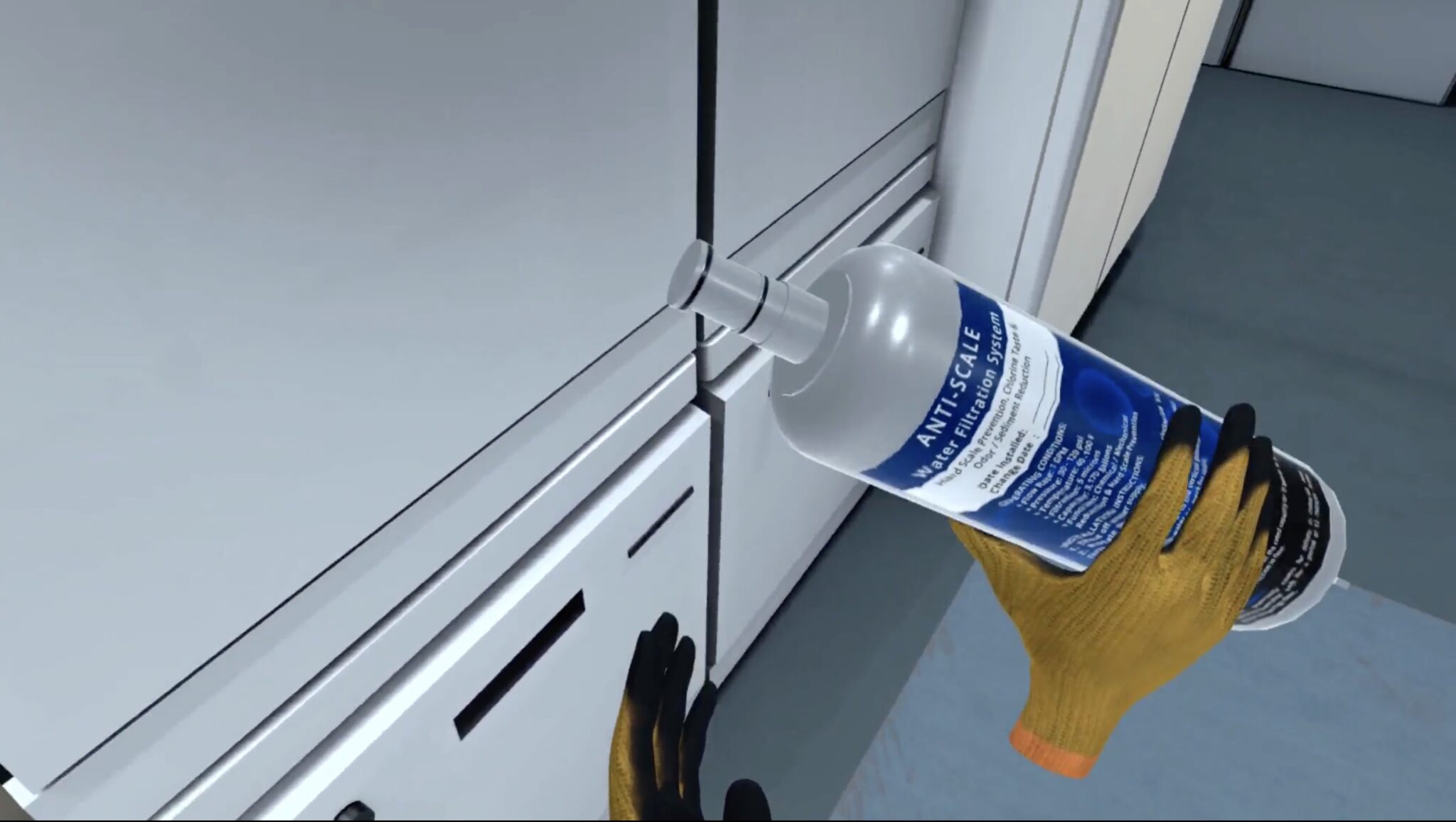
The heating, ventilation, and air conditioning (HVAC) industry is an essential sector, ensuring comfort, safety, and efficiency in residential, commercial, and industrial settings. With increasing demand for skilled technicians, obtaining industry-recognized certifications can set you apart in the job market. One such certification is the Environmental Protection Agency (EPA) Section 608 Certification, a requirement for all HVAC professionals handling refrigerants.
Preparing for this certification can be challenging, but ImmerseLearn’s cutting-edge Virtual Reality (VR) training for HVAC Associates offers an innovative, engaging, and effective learning experience. By combining immersive simulations with comprehensive coursework, students are offered a unique approach to mastering the material and excelling in the certification exam.
What is the EPA Section 608 Certification
The EPA Section 608 Certification is a mandatory credential for anyone working with refrigerants in the United States. It ensures that HVAC technicians are knowledgeable about safe handling practices, environmental regulations, and system diagnostics. The certification is divided into four types:
1. Type I: For servicing small appliances (e.g., household refrigerators and window air conditioners).
2. Type II: For servicing or disposing of high-pressure appliances, including residential and commercial AC units.
3. Type III: For servicing or disposing of low-pressure appliances, such as chillers.
4. Universal Certification: Covers all three types and is the most comprehensive option.
Achieving this certification is crucial for HVAC professionals, but the traditional study methods often fall short in providing hands-on experience and interactive learning.
Challenges of Traditional Training Methods
Traditional training for the EPA 608 exam typically consists of textbooks, classroom instruction, and online video courses. While these methods provide theoretical knowledge, they have significant limitations:
Lack of Hands-On Experience: Understanding refrigeration cycle mechanics and system troubleshooting requires practical exposure.
Limited Engagement: Passive learning methods may not be effective in retaining complex information.
Rigid Schedules: Classroom-based training often lacks flexibility for working professionals.
Costly and Time-Consuming: Traditional training methods may require travel, materials, and extended study periods.
To overcome these challenges, VR training offers a dynamic, interactive alternative that enhances learning effectiveness and retention.
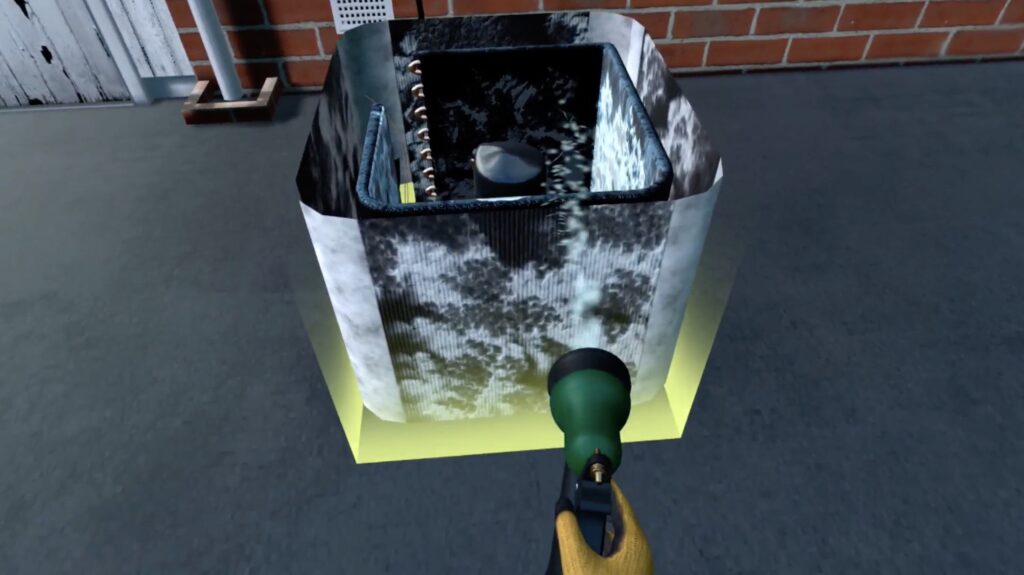
Performing tasks in VR provides realistic experiences, helping become job-ready from day one.
How VR Training Transforms HVAC Education
Virtual reality technology revolutionizes training by immersing students in a simulated real-world environment, allowing them to interact with HVAC systems in a risk-free setting. Here’s how this VR program for HVAC Associates stands out:
1. Immersive and Interactive Learning: With VR, learners step into a virtual HVAC workshop where they can dismantle, repair, and troubleshoot equipment as if they were on an actual job site. This hands-on approach significantly improves comprehension and skill development.
2. Comprehensive Curriculum Aligned with EPA 608 Standards: ImmerseLearn’s VR training program covers all critical topics required for the certification, including:
Refrigeration cycle fundamentals
Environmental impact and regulations
Leak detection and repair techniques
Recovery, recycling, and reclaiming refrigerants
System evacuation and recharging procedures
Safety protocols and best practices
By structuring the program in alignment with the EPA Section 608 exam, the aim is to ensure that learners focus on the most relevant information.
3. Real-Time Feedback and Performance Analytics: During VR simulations, learners receive instant feedback on their actions. If a mistake is made, they can immediately correct it; every mistake becomes a learning. Additionally, built-in analytics track progress, highlighting strengths and areas needing improvement.
4. Flexible and Convenient Learning: Unlike traditional training programs, VR training is accessible anytime, anywhere. Whether at home, on a lunch break, or in between job shifts, learners can step into their virtual HVAC environment and continue their education at their own pace.
5. Cost-Effective and Scalable: By eliminating the need for physical training equipment, travel, and additional expenses, VR training provides an affordable alternative without compromising quality. Companies can also scale training programs efficiently to accommodate multiple employees.
6. Engaging and Motivating Experience: With interactive elements, gamified challenges, and scenario-based problem-solving, VR training keeps learners engaged and motivated. This active participation leads to higher retention rates and better exam performance.
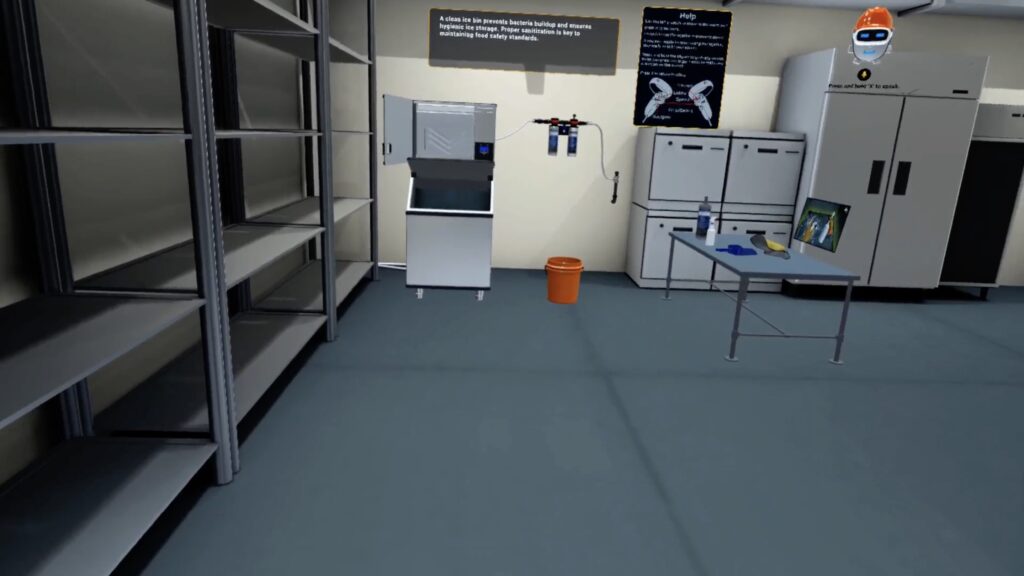
Realistic environments in VR are an engaging and immersive way to understand and practice tasks.
How ImmerseLearn Prepares You for the EPA 608 Certification Exam
Successfully clearing the EPA 608 certification exam requires both theoretical knowledge and practical understanding. ImmerseLearn’s VR program is designed to prepare candidates comprehensively through:
1. Exam-Focused Training Modules: Each section corresponds to the exam’s major focus areas. Interactive VR scenarios reinforce theoretical knowledge, ensuring a well-rounded understanding of key concepts.
2. Hands-On Refrigerant Handling Practice: Handling refrigerants requires precision and adherence to safety standards. VR training allows learners to practice refrigerant recovery, leak detection, and system charging in a controlled virtual environment before working on real equipment.
3. Real-World Scenario Simulations: Our program includes simulations of common HVAC challenges, requiring students to troubleshoot system failures, diagnose refrigerant leaks, and apply proper service procedures. This scenario-based training enhances problem-solving skills and prepares candidates for practical job situations.
4. Progress Tracking and Personalized Learning Paths: By analyzing performance data, the VR system provides tailored recommendations, allowing learners to focus on weak areas and refine their knowledge before the exam.
Earning your EPA Section 608 Certification is a crucial step in advancing your HVAC career. Traditional study methods may not always provide the practical experience needed to excel, but ImmerseLearn’s VR training program bridges this gap by offering an engaging, interactive, and flexible learning solution.
EPA 608 test facts
The U.S. Environmental Protection Agency (EPA) requires anyone who maintains, services, repairs, or disposes of equipment that could release refrigerant to be certified under Section 608. You earn certification by passing an EPA approved test given by an EPA approved certifying organization.
- 1. Core: required for every certification type. It covers regulations, environmental impact, and safe refrigerant practices.
- 2. Type I: small appliances.
- 3. Type II: high and very high pressure appliances, such as most residential and commercial air conditioning.
- 4. Type III: low pressure appliances, such as chillers.
- 5. Universal: pass Core plus Types I, II, and III.
For Universal certification, every section, including Core, must be taken closed book under secure, proctored conditions. A Core test taken open book cannot count toward Universal. Section 608 certification does not expire. You can read the official details on the EPA certification requirements page and the EPA test topics page.
How to take the EPA 608 test online
You can take the EPA 608 test from home with some EPA approved certifying organizations. EPA's list of approved programs notes which ones offer remote or online testing. Tests that count toward Universal certification must be proctored, and remote proctors often watch you through your webcam.
- 1. Pick a program from the EPA list of approved Section 608 certification programs that offers remote testing.
- 2. Check your setup: a computer with a webcam and microphone, a reliable internet connection, and a government issued photo ID. Some programs, such as NATE, do not allow tablets.
- 3. Find a quiet, private room with a clear desk. You may need to show the room on camera before you start.
- 4. Register and schedule your session with the program you chose.
- 5. Take the test closed book while the proctor watches.
- 6. Keep a copy of your certification card. EPA requires certified technicians to keep a copy at their place of business.
In ImmerseLearn's HVAC Associate and HVAC Technician programs, EPA 608 Universal certification is included as part of the program. ImmerseLearn offers online, hands-on, self-paced, IACET-accredited VR certification programs, so you can practice refrigerant recovery, leak detection, and charging in VR before you test.
EPA 608 FAQs
Can I take the EPA 608 test online?
Yes. Some EPA approved certifying organizations offer remote testing, often with a live proctor who watches you through your webcam. EPA's list of approved programs shows which ones offer it.
What is on the EPA 608 Universal test?
Universal means passing four sections: Core, Type I, Type II, and Type III. Every section must be taken closed book under proctored conditions. An open book Core test cannot count toward Universal.
Does EPA 608 certification expire?
No. EPA states that Section 608 technician certification does not expire.
Take control of your career and master the skills required to become a certified HVAC professional. Visit ImmerseLearn to enroll today and gain the confidence, knowledge, and hands-on experience needed to pass your EPA 608 exam with flying colors.