

Holter Monitoring Skills for Clinical Medical Assistants
Introduction:
Irregular heart rhythms are not always detected during a brief clinic visit. Many cardiac conditions surface only during routine activities such as walking, working, or sleeping. This is why Holter Monitoring Training is essential in medical assistant education, as it supports continuous heart activity tracking to accurately identify abnormal rhythm patterns.
Learners preparing for Clinical Medical Assistant roles must perform Holter monitoring accurately, including patient preparation, device setup, usage guidance, and documentation. These responsibilities require precision, confidence, and clear patient communication to support dependable cardiac diagnostics.
At ImmerseLearn, immersive Virtual Reality training is combined with externship experience, allowing learners to practice procedures within realistic clinical care environments. This hands-on approach strengthens practical skills, builds confidence, and ensures readiness for real-world healthcare delivery.
Holter Monitoring Explained for Medical Assistants
In Holter Monitoring Training, we teach learners that Holter monitoring is a non-invasive diagnostic method that continuously records the heart’s electrical activity for 24 to 48 hours or longer. Patients wear a small portable device connected to chest electrodes, allowing heart activity to be tracked during normal daily routines.
Unlike a standard electrocardiogram, which captures only brief snapshots, this extended recording approach provides detailed cardiac data to detect intermittent rhythm irregularities that may not appear during short evaluations. Understanding this distinction is an essential part of hands-on medical assistant education.
Medical Assistant Responsibilities in Holter Monitoring:
Clinical Medical Assistants play a key role in ensuring accurate data collection. In our training, we focus on responsibilities including:
- Verifying patient identity and reviewing device instructions
- Preparing the skin for proper electrode adhesion
- Correctly placing electrodes according to established protocols
- Educating patients on device care and daily routine guidelines
- Guiding patients on symptom tracking and event logging
- Assisting with device removal and accurate documentation
Precise execution of these tasks ensures reliable diagnostic results and supports informed decision-making in real healthcare settings.
Importance of Holter Monitoring Skills
In Holter Monitoring Training, we emphasize that precise monitoring requires careful attention to detail. Even minor errors, such as incorrect electrode placement or unclear patient instructions, can affect data quality and lead to repeat testing. Mastering this skill remains a core part of hands-on clinical medical assistant training.
This expertise directly influences patient care and overall clinic efficiency. Accurate cardiac recordings support proper diagnosis, while clear instructions help ensure compliance and organized workflows maintain smooth operations, keeping patients comfortable and confident. When Clinical Medical Assistants perform Holter monitoring with confidence, they enhance clinical efficiency, improve patient experiences, and strengthen professional credibility in modern healthcare settings.
How ImmerseLearn Teaches This Skill Using VR
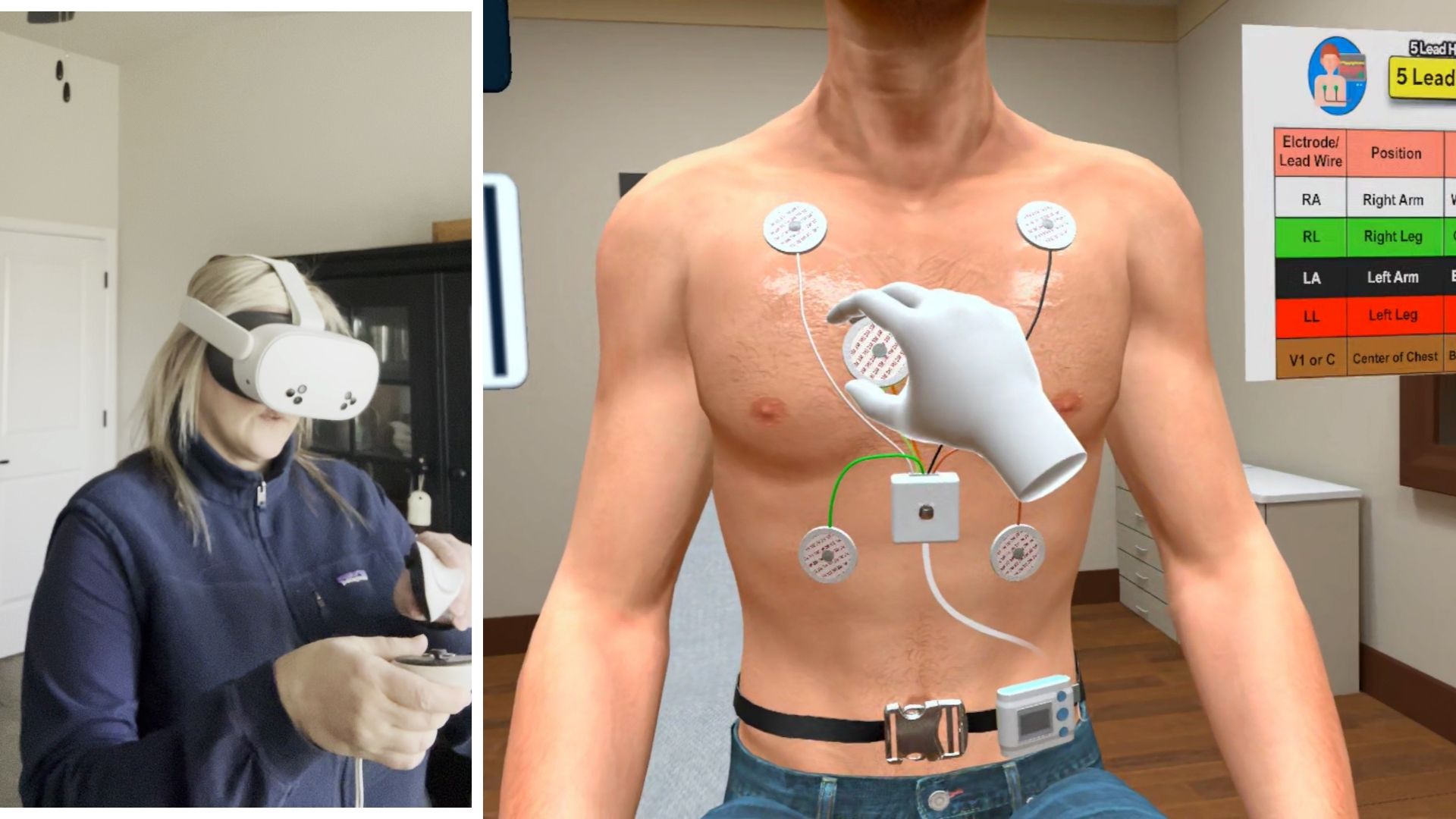
At ImmerseLearn, we deliver Holter Monitoring Training through immersive Virtual Reality (VR) simulations, allowing learners to gain Clinical Medical Assistant training program rather than only observing. Inside simulated clinical environments, participants perform each stage of the Holter monitoring procedure in proper sequence, building practical exposure and confidence before interacting with real patients.
Benefits of VR Training for Holter Monitoring:
Our VR-based training offers key advantages, including the ability to:
- Practice electrode placement repeatedly to ensure accuracy
- Experience patient interaction scenarios that strengthen confidence
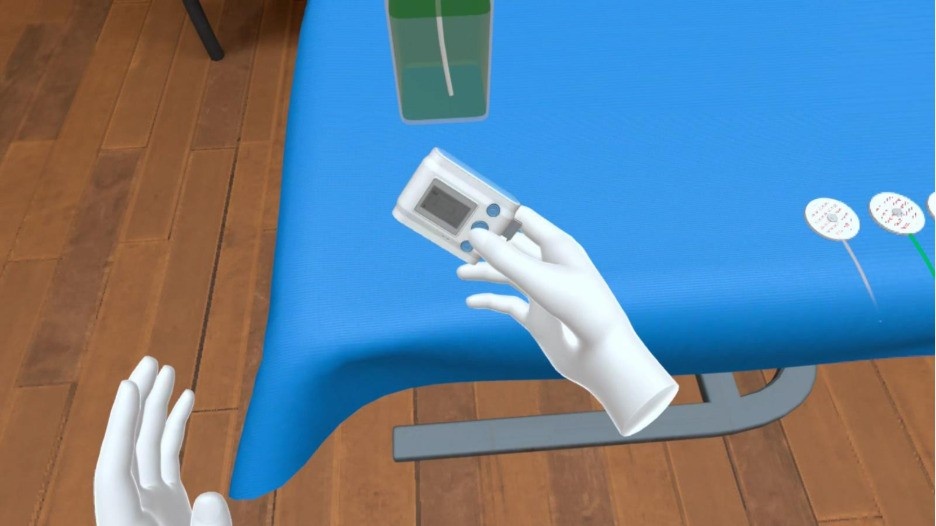
- Learn device setup and handling without time pressure
- Develop muscle memory and procedural precision
- Make and correct mistakes safely in a controlled environment
This immersive approach helps learners clearly understand the Holter monitoring workflow and the reasoning behind every step. Structured repetition and guided practice support workplace readiness and professional competence for clinical medical assistants.
Improving Patient Communication Skills
In Holter Monitoring Training, we emphasize that mastering this skill goes beyond technical accuracy, and also involves effective communication with individuals who may have questions or concerns. Clear, professional interaction is essential to ensure compliance, comfort, and confidence throughout the recording process.
Our Virtual Reality (VR) scenarios simulate real-world patient interactions, giving participants hands-on experience in communicating critical information. In these immersive exercises, learners focus on:
- Explaining the purpose and importance of Holter devices
- Answering common questions related to daily routines and activities
- Providing clear instructions for bathing, movement, and device care
- Reinforcing symptom logging and correct recording procedures
By integrating communication-focused training into VR-based Holter Monitoring Training, we help learners build professionalism, patient-centered care skills, and confidence in both technical tasks and real patient interactions.
Real World Application and Externship Experience
In Holter Monitoring Training, participants move beyond virtual simulations to apply their skills in authentic healthcare environments. After completing immersive Virtual Reality (VR) scenarios, they transition into supervised externship placements that bridge the gap between simulated instruction and hands-on patient care.
During Externships, Learners:
During their externship experience, learners assist with preparing patients for Holter device placement with accuracy and professionalism. They follow established medical protocols, maintain strict safety standards, collaborate with healthcare teams within real clinical workflows, and observe how collected cardiac data supports informed diagnosis and treatment decisions. These real-world experiences build confidence, reinforce practical skills, and ensure graduates are prepared to manage day-to-day responsibilities as clinical medical assistants.
Career Guidance and Job Placement Support
At ImmerseLearn, our Holter Monitoring Training goes beyond skill mastery. We also focus on preparing learners for successful employment in healthcare. Hands-on expertise is crucial, but bridging the gap to professional roles is essential for career growth and workplace readiness.
Career Support Includes:
A) Resume guidance tailored to highlight hands-on clinical skills
B) Interview preparation for roles across medical and allied health environments
C) Career coaching aligned with real healthcare workflows and workplace expectations
D) Communication skills and job-readiness preparation for medical settings
These services ensure learners can confidently showcase their training, VR experience, and externship accomplishments to potential employers, positioning themselves as capable, workplace-ready clinical medical assistants.
Why ImmerseLearn is the Best Choice
At ImmerseLearn, we prioritize practical learning and workforce readiness. Our Training is designed not just to teach skills, but to prepare learners to excel in real healthcare environments.
Key Strengths of the Program:
- Immersive Virtual Reality skill practice to develop procedural confidence
- Hands-on learning that reinforces accuracy and clinical proficiency
- Real-world externship opportunities for authentic patient care experience
- Short-term, skills-focused education for quick, effective upskilling
- Emphasis on professionalism, accuracy, and patient-centered care
This approach equips learners with the practical healthcare skills they need, even without pursuing traditional degree pathways, ensuring they are confident, competent, and workplace-ready as clinical medical assistants.
Learn more about our Clinical Medical Assistant Training course and gain practical skills!
Long-Term Career Benefits of Holter Monitoring
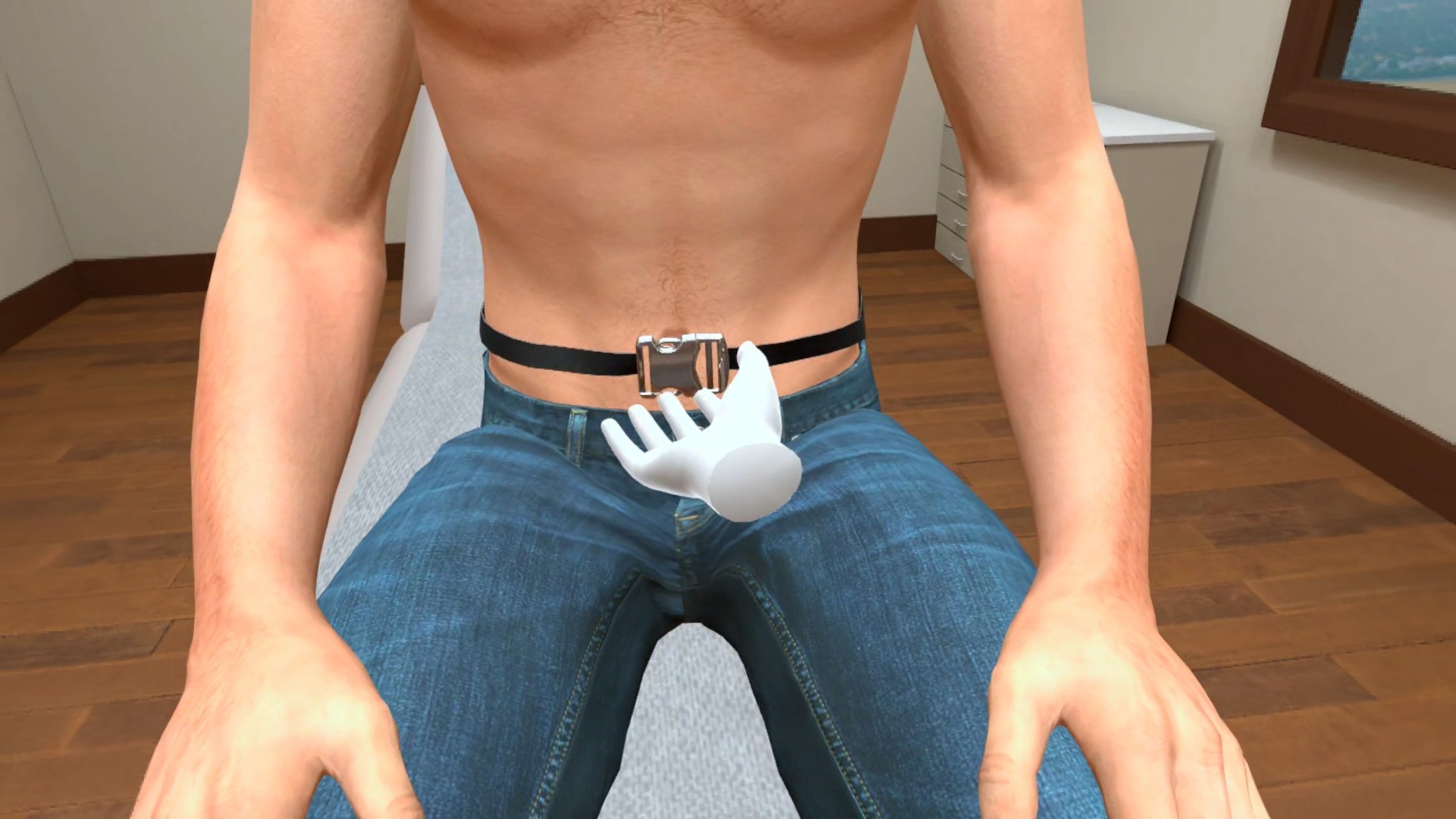
We understand that Holter Monitoring Training provides not only immediate skill development but also long-term career benefits for Clinical Medical Assistants. Holter monitoring is widely used in outpatient clinics, cardiology offices, and diagnostic centers, making this skill essential for effective patient care.
By developing proficiency in Holter monitoring, learners gain greater confidence in clinical procedures and cardiac assessments, expand their understanding of cardiac diagnostics and heart rhythm evaluation, strengthen patient communication skills for clear instructions and guidance, and increase adaptability across various healthcare roles.
These competencies enhance workplace performance, support long-term career growth, and build professional credibility, ensuring success in healthcare settings.
Conclusion:
At ImmerseLearn, we believe that Holter Monitoring Training is an essential diagnostic skill for Clinical Medical Assistants. Performing this procedure successfully requires accuracy, clear communication, and confidence when interacting with patients.
Through immersive Virtual Reality simulations paired with guided externship exposure, participants develop job-ready competencies in real healthcare settings. By emphasizing hands-on practice and practical application, our training prepares learners to support cardiac care with professionalism, precision, and workplace confidence.
Ready to take the next step? Explore the Clinical Medical Assistant training program.