

How VR Training Prepares You for Real-World Skilled Trade Scenarios
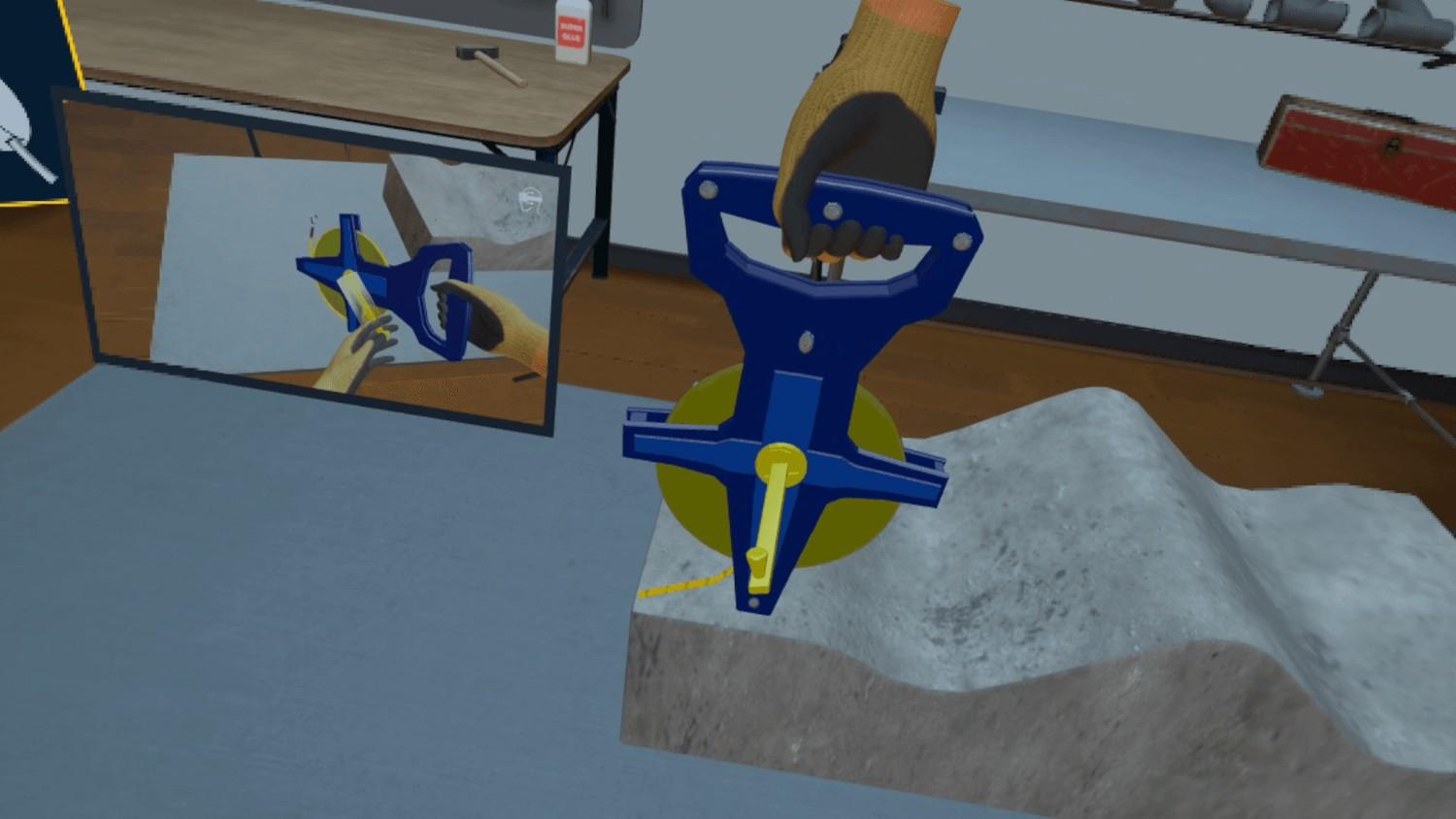
The modern workforce is undergoing a major transformation, especially in skilled trades such as plumbing, HVAC (Heating, Ventilation, and Air Conditioning), and photovoltaic (PV) solar energy installation.
As industries work to meet the growing demand for sustainable energy solutions and advanced systems, the need for highly trained professionals has never been greater. However, traditional training methods often struggle to provide the hands on experience and safe environments needed to master these complex skills.
Virtual Reality (VR) training is changing how the workforce prepares for skilled trade professions. By placing learners in lifelike, interactive environments, VR training helps bridge the gap between theoretical knowledge and practical application.
It gives learners the opportunity to build confidence, practice technical tasks, and prepare for real world job scenarios before entering the field.
The challenges of traditional training in skilled trades
Historically, skilled trade training has relied on apprenticeships, classroom instruction, and on the job training. These methods are valuable, but they also come with limitations.
Some common challenges include:
- Safety risks: Many tasks in plumbing, HVAC, and solar installation involve hazardous conditions, such as electrical systems, high pressure equipment, or elevated structures. Inexperienced trainees may create risks for themselves and others.
- Limited hands on opportunities: Trainees may not experience a wide range of real job scenarios during training. This can leave gaps in their practical experience.
- High costs: Equipment, tools, and materials for hands on training can be expensive, especially for schools or training centers with limited budgets.
- Time constraints: Traditional training programs may not have enough time to simulate the full range of challenges learners may face on the job.
These challenges show the need for a more flexible, realistic, and controlled training approach. This is where VR training becomes valuable.
How VR transforms training for skilled trades
Virtual reality technology provides a unique platform for experiential learning, combining visual, auditory, and tactile feedback to create an immersive training experience. Here’s how VR is revolutionizing the way professionals in plumbing, HVAC, solar energy, and other skilled trades are trained:
1. Realistic Simulations for Hands-On Practice
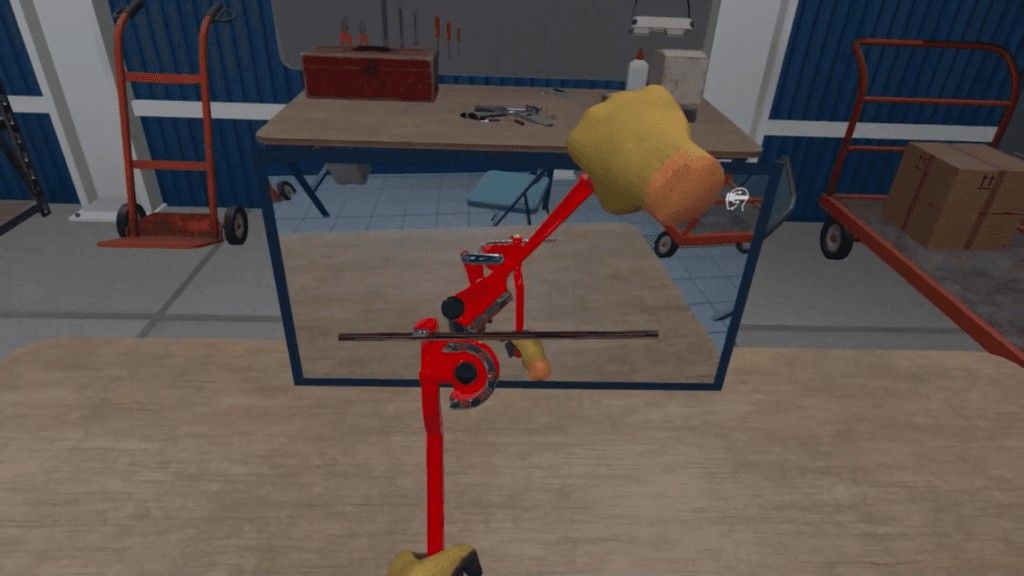
VR training recreates real-world environments and scenarios, allowing trainees to practice tasks in a safe and controlled virtual space. For example:
- Plumbing: Trainees can simulate fixing complex plumbing systems, identifying leaks, and troubleshooting water pressure issues without the risk of causing actual water damage. For a deeper dive, explore our hands-on plumbing training designed to make you job-ready.
- HVAC Technicians: They can practice diagnosing system failures, wiring HVAC units, and performing maintenance tasks on virtual units that behave just like real ones.
- PV Solar Installation: Trainees can work on rooftop solar panel installations, navigate steep inclines, and connect electrical components without any risk of falls or electrical shocks.
By immersing learners in these scenarios, VR allows them to build muscle memory, improve problem-solving skills, and gain confidence before stepping onto a job site.
2. Safe Learning Environments
Safety is paramount in skilled trades training. Virtual environments eliminate the dangers associated with hands-on practice while still replicating high-risk scenarios. For instance:
- HVAC trainees can learn to handle refrigerants safely and follow EPA guidelines in a virtual setting before working with hazardous substances.
- Solar panel installers can practice operating on virtual rooftops under various weather conditions, from high winds to intense heat, without the physical risks.
By making mistakes in VR, learners gain invaluable experience without real-world consequences.
3. Accessibility and Scalability
VR training is accessible to a broad audience, regardless of geographical location. With a VR headset and software, trainees can learn from anywhere, making it easier for training centers and companies to reach more people. This scalability is especially valuable for industries like solar energy, which face a growing demand for skilled workers.
Additionally, VR allows for repetition and self-paced learning. Trainees can revisit challenging tasks as many times as needed, ensuring they fully understand the material before moving on.
4. Customizable Scenarios for Diverse Skills
One of the biggest strengths of VR training is its ability to simulate different scenarios based on specific trades.
Examples include:
- Plumbing: Learners can practice installing different types of pipes, including PVC, copper, and PEX. They can also troubleshoot plumbing systems in residential and commercial settings.
- HVAC: Technicians can work on virtual units of different makes and models, helping them prepare for the variety of systems they may encounter in the field.
- Solar Energy: VR can simulate different roof types, shading conditions, and solar panel configurations, giving learners a broader understanding of PV installation.
These customized experiences help learners prepare for the unique challenges of their chosen trade.
5. Data-Driven Insights for Improvement
VR training platforms often include analytics tools that track performance metrics, such as task completion time, error rates, and procedural accuracy. Trainers and employers can use this data to identify areas where trainees need additional support, providing targeted feedback to accelerate learning.
For example, if a plumbing trainee consistently struggles with soldering techniques in the virtual environment, trainers can focus on this skill until it’s mastered. This personalized approach enhances the effectiveness of the training program.
6. Cost Savings
VR training can also reduce training costs for both learners and training providers.
With enrollment, trainees receive a VR headset that can be used to train and practice anytime, anywhere. This reduces the need to depend only on physical materials or real equipment during early training.
VR training can help reduce costs related to:
- Physical training equipment
- Tool and material replacement
- Equipment damage during practice
- Travel to training locations
- Repeated setup for hands on labs
The immersive training experience also prepares learners to handle real world scenarios more confidently. This can reduce the chances of costly mistakes on the job.
In the long run, VR training helps save time and money while supporting job readiness in a shorter time frame.
Why VR Training Matters for Skilled Trade Careers
From plumbing and HVAC to solar energy installation, skilled trades are essential to building a sustainable and technologically advanced future.
However, traditional training methods alone may not be enough to meet the demands of these fast moving industries.
Virtual reality training offers a modern solution. It provides safe, immersive, and customizable environments where learners can practice technical skills, build confidence, and prepare for real work scenarios.
By connecting theory with hands on practice, VR training helps learners develop the skills they need to succeed in skilled trade careers.
Conclusion
As industries continue to adopt VR technology, the benefits for learners, employers, and training providers will continue to grow.
VR training gives learners a safer, more flexible, and more practical way to prepare for real world job challenges. It helps them understand procedures, practice technical tasks, and gain confidence before entering the workforce.
The future of skilled trades training is here, and it is virtual.