

Sterilization Techniques Training in Virtual Reality
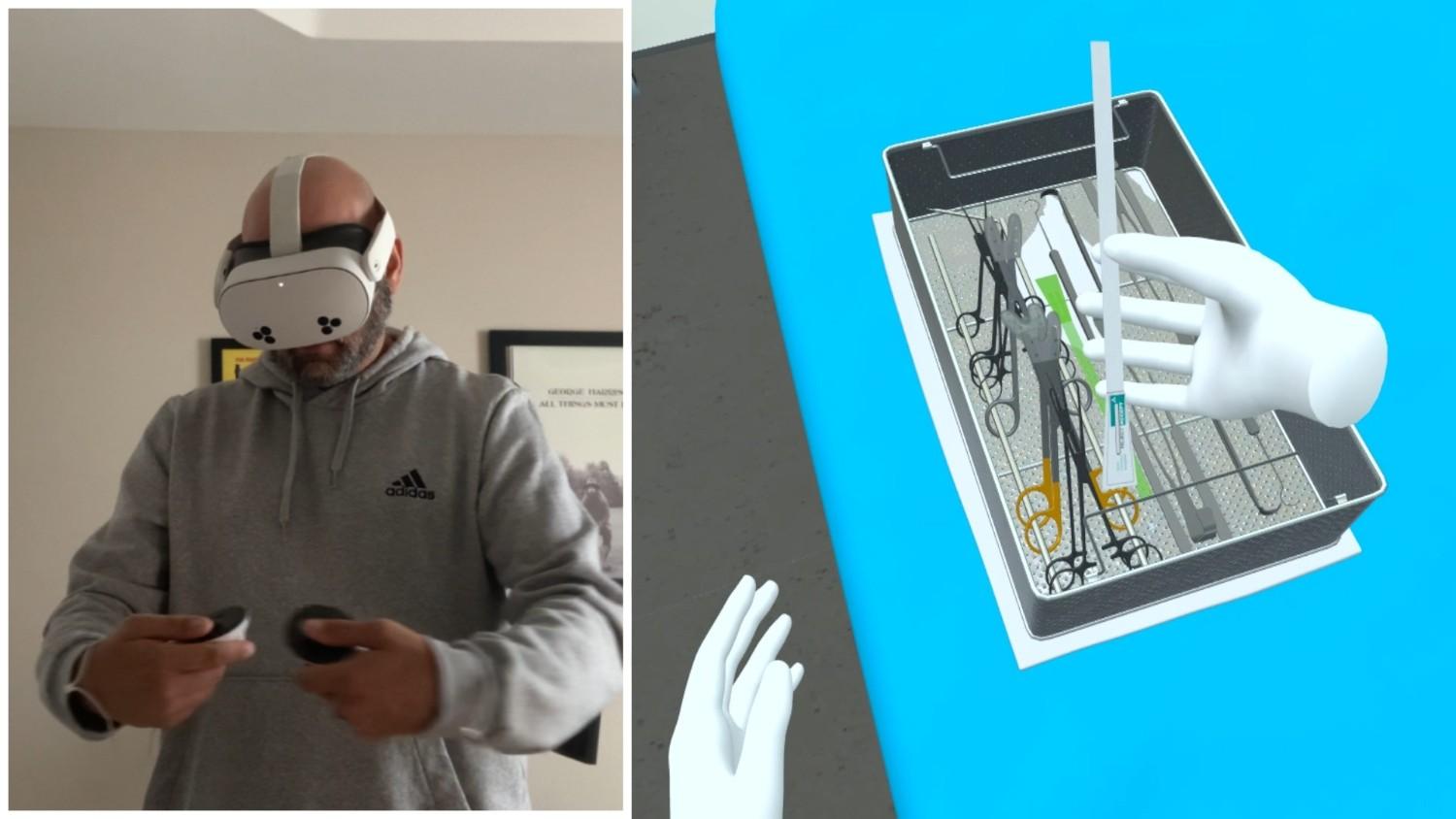
In every hospital and surgical center, patient safety begins long before a procedure starts. Behind the scenes, Central Sterile Processing Technicians (CSPTs) ensure that every surgical instrument and device used in patient care is properly cleaned, sterilized, and maintained. Their work forms the foundation of infection control. This is the invisible shield that prevents contamination and ensures that every patient receives safe, high-quality care.
To perform this critical role, technicians must master complex sterilization techniques and maintain uncompromising attention to detail. However, traditional training often struggles to provide sufficient hands-on exposure to real equipment and sterilization environments due to safety restrictions, limited lab access, and resource costs. Job prospects for the period 2024 – 34 are projected to grow at a rate of 10 per cent, according to the US Bureau of Labour Statistics. This is much faster than the average growth and to keep up with this quality training opportunities become the need of the hour.
That’s where ImmerseLearn is transforming sterile processing education. Through Virtual Reality (VR) simulations, ImmerseLearn’s Sterile Processing Technician program allows learners to gain realistic, hands-on experience with sterilization procedures and workflows, and all this takes place within a safe, interactive, and repeatable learning environment.
By using cutting-edge simulation technology, learners can step inside a virtual sterile processing department (SPD), perform real tasks, and understand the science and precision behind every sterilization cycle, in the process preparing them for certification and success in the field.
The Importance of Mastering Sterilization Techniques
Sterilization is not just a step in a process; it is the cornerstone of infection prevention in healthcare. Even the smallest lapse like a contaminated instrument, an incomplete cycle, or improper handling can lead to patient infections, surgical delays, or regulatory non-compliance.
Sterile Processing Technicians must therefore have a solid grasp of:
- Instrument cleaning and decontamination methods
- Sterilization parameters and equipment operation
- Packaging and assembly techniques
- Quality assurance and recordkeeping
- Safety regulations and infection control standards
Each of these skills requires both theoretical understanding and practical experience with VR providing the perfect bridge between the two.
How Virtual Reality Reinvents Sterilization Training
ImmerseLearn’s VR simulations recreate every aspect of the sterile processing environment from the decontamination area to the clean assembly zone and sterilization room. Using a VR headset and guided modules, learners perform the same procedures they would in a real hospital SPD, following industry-standard workflows.
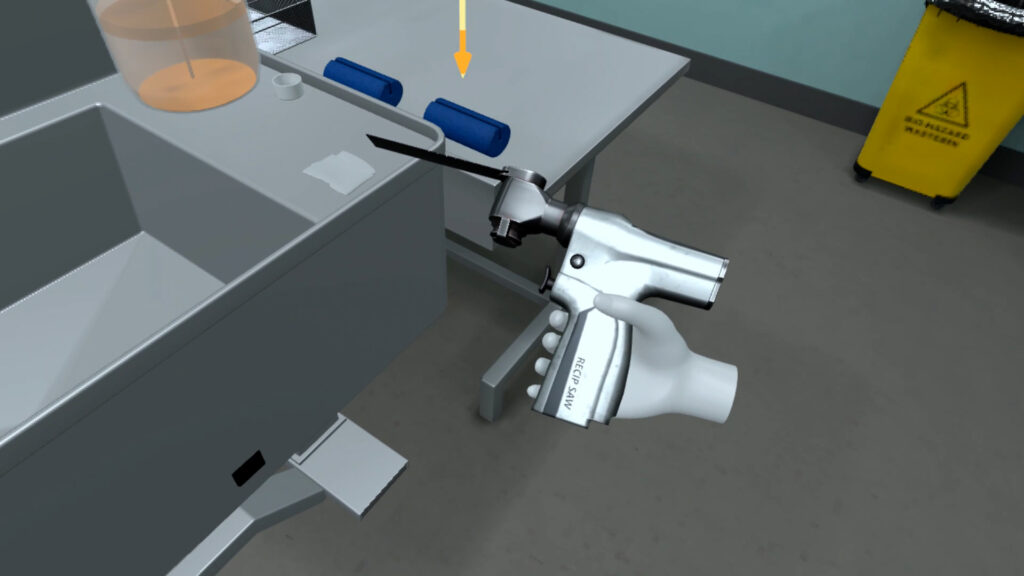
Practicing care and handling of instruments in VR saves wear and tear of medical equipment.
1. Experiencing the Sterile Processing Department Firsthand:
The first step in learning sterile processing is understanding the layout and workflow of the department. In VR, learners can walk through each area of an SPD; the decontamination zone, assembly and packaging area, sterilization chamber, and sterile storage.
They learn how instruments move through the process, how to maintain the one-way flow from dirty to clean, and why physical separation of these spaces is crucial for infection prevention.
This immersive introduction helps learners visualize spatial design, equipment placement, and environmental control measures such as air pressure and humidity. It can be said that these are some of the elements that are a bit difficult to grasp in textbook learning alone.
2. Simulating Instrument Decontamination:
Decontamination is one of the most critical phases of sterile processing. It involves removing bioburden, organic residue, and contaminants from surgical instruments to prepare them for sterilization.
ImmerseLearn’s VR modules guide learners through each step of this process in lifelike scenarios, including:
- Receiving contaminated instruments safely.
- Sorting and disassembling complex instrument sets.
- Selecting appropriate detergents and enzymatic cleaners.
- Using manual cleaning techniques and mechanical washers.
- Rinsing, drying, and preparing instruments for inspection.
The VR environment provides real-time feedback on procedural accuracy. For instance, if a learner skips a step or uses incorrect cleaning solutions, the system flags the error and explains why it compromises sterilization outcomes.
By practicing these steps repeatedly in VR, learners build the precision, discipline, and muscle memory that sterile processing demands, and all this is achieved without ever risking contamination or equipment damage.
3. Practicing Inspection and Assembly:
Once decontaminated, instruments must be carefully inspected, tested, and reassembled. This stage requires both technical skill and attention to detail.
ImmerseLearn’s simulation recreates various instrument types ranging from forceps and scissors to complex laparoscopic tools. This allows learners to:
- Inspect instruments for damage, corrosion, or misalignment.
- Test hinges, tips, and cutting edges for proper function.
- Reassemble multi-part instruments correctly.
- Prepare and organize trays according to surgical procedure requirements.
Through visual cues and guided instructions, learners understand the importance of functional testing and documentation. The system tracks their performance, rewarding accuracy and efficiency while reinforcing quality assurance principles.
This meticulous virtual practice ensures that learners internalize inspection protocols as this happens to be one of the most evaluated areas in certification exams and employer training.
4. Mastering Packaging and Wrapping Techniques:
Packaging instruments for sterilization is both an art and a science. Incorrect wrapping or packaging can compromise sterility, even if the sterilization cycle itself was flawless.
ImmerseLearn’s VR modules teach learners how to:
- Select appropriate packaging materials (wraps, pouches, rigid containers).
- Label trays with accurate identification and sterilization indicators.
- Arrange instruments to ensure steam or gas penetration during sterilization.
- Seal packages according to AAMI standards and facility policy.
The simulation visually demonstrates how improper folding, overloading, or mislabeling affects sterilization results. Learners practice the process multiple times until they achieve consistent, compliant outcomes. This is all achieved with zero damage or waste of physical materials or supplies.
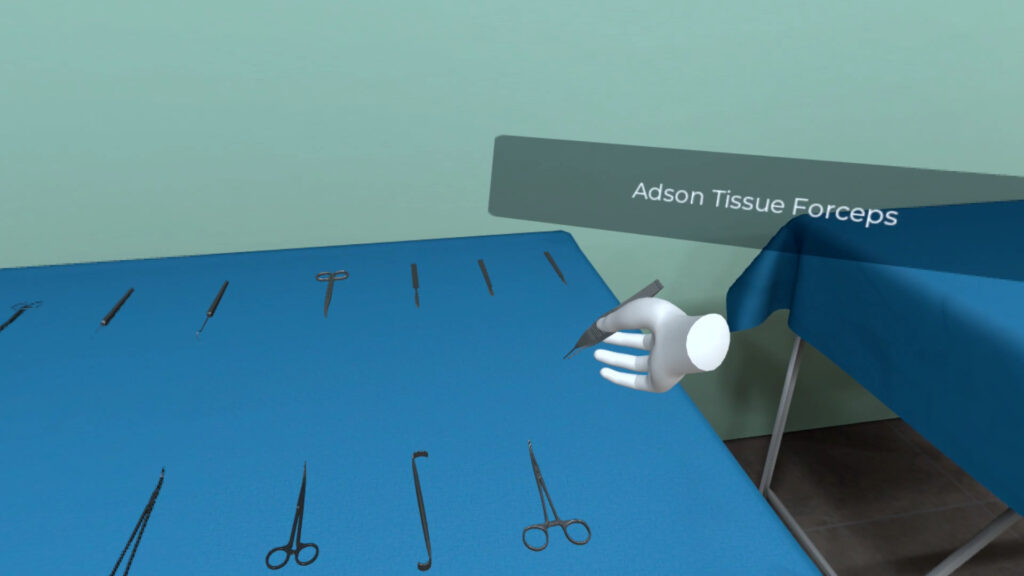
VR provides learners hands-on practice in realistic environments.
5. Understanding Sterilization Methods and Parameters:
This is where the science of sterile processing comes to life. ImmerseLearn’s VR sterilization modules replicate real autoclaves, low-temperature sterilizers, and high-level disinfectants. Learners are guided through:
- Loading and operating steam sterilizers correctly.
- Understanding the principles of temperature, pressure, and exposure time.
- Applying chemical and biological indicators to validate cycles.
- Troubleshooting cycle failures and interpreting reports.
The virtual interface mimics actual sterilization equipment, allowing learners to operate control panels, monitor readouts, and follow protocols step by step.
By visualizing how temperature, pressure, and moisture interact during sterilization, learners gain a deeper conceptual understanding, concepts that are difficult to achieve in conventional lectures or static videos.
6. Quality Assurance and Documentation Practice:
Quality assurance is a key competency for both certification exams and professional success. In ImmerseLearn’s simulations, learners practice documenting sterilization loads, monitoring indicator results, and maintaining records for compliance.
They also explore error scenarios, such as incomplete cycles or failed indicators, and learn to take appropriate corrective actions. The system teaches the importance of traceability and accountability, key elements in CBSPD certification standards.
Through this combination of simulation and documentation exercises, learners develop the habits of accuracy and consistency that employers value most.
The Science Behind Virtual Learning
ImmerseLearn’s platform leverages experiential learning theory building upon the concept that we retain best what we actively do, reflect, and apply.
Each VR scenario is built to engage multiple senses, reinforcing both cognitive understanding and procedural skill. For example:
- Learners see visual indicators of contamination, hear equipment sounds, and perform hand motions to clean or wrap instruments.
- Mistakes trigger immediate feedback, reinforcing correct practices.
- Repeated exposure builds retention, confidence, and competence.
This learning model reduces the gap between classroom education and on-the-job performance, producing technicians who are workplace-ready from day one.
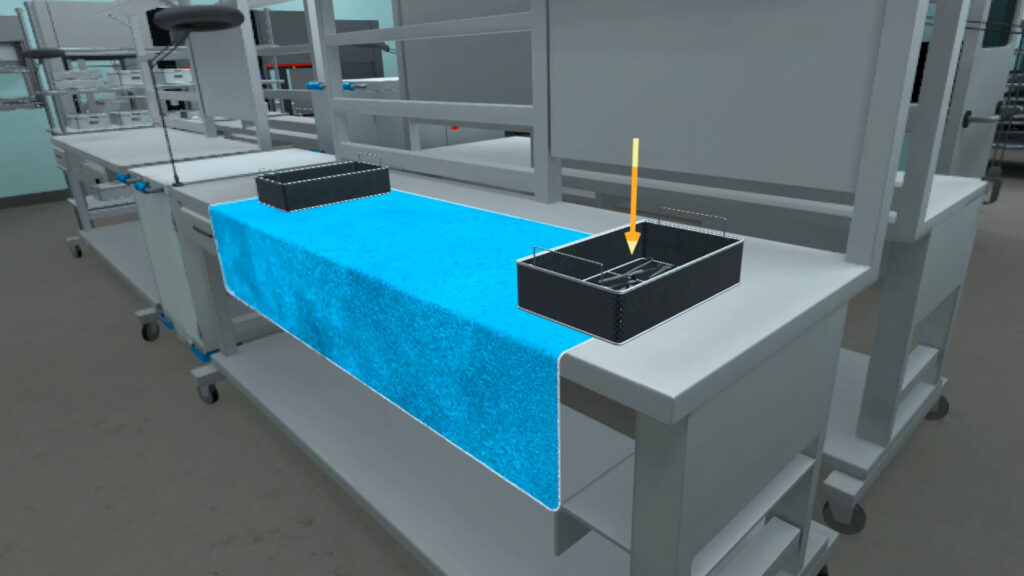
Learning instrument selection and tray management in virtual environments.
Preparing for Certification Exams
ImmerseLearn’s Sterile Processing Technician program aligns with the content outline for the Certification Board for Sterile Processing and Distribution (CBSPD) exam.
Each simulation and module maps directly to certification domains such as:
- Decontamination and cleaning
- Preparation and packaging
- Sterilization and high-level disinfection
- Storage and distribution
- Regulations and safety
Learners complete hands-on task, regular knowledge check activities, assessments and program completion exam that simulate certification test conditions. Regular practice and thorough learning sessions ensure learners approach their exams fully prepared and confident.
Externship Experience: From Simulation to Real Practice
After completing their virtual modules, ImmerseLearn learners transition to externships at partnered hospitals and healthcare facilities.
During the externship, learners:
- Apply sterilization techniques learned in VR under supervision.
- Operate real equipment and manage workflow in busy SPDs.
- Collaborate with staff to understand facility-specific protocols.
Because they have already practiced complex tasks virtually, learners enter externships with confidence and proficiency, allowing them to focus on refining their technique rather than learning the basics from scratch.
Safety and Accessibility Benefits
VR training eliminates many of the barriers associated with traditional sterile processing education:
- Safety: Learners can handle virtual contaminated instruments without exposure to biological hazards.
- Accessibility: Students can train anytime, anywhere, without needing physical lab equipment.
- Cost Efficiency: No consumable supplies are wasted during practice.
- Standaridzation: Every learner receives consistent, quality instruction aligned with best practices.
These benefits make sterile processing education more scalable, inclusive, and effective, helping address workforce shortages in hospitals nationwide.
The ImmerseLearn Advantage
ImmerseLearn combines technology, certification alignment, and career support into a complete training ecosystem.
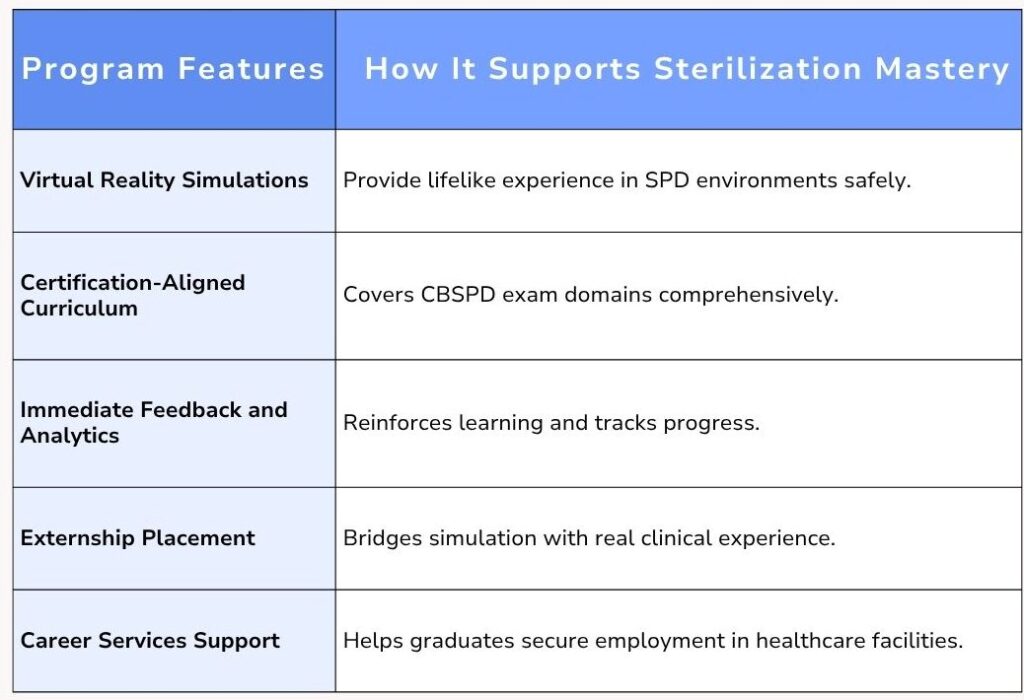
This holistic model ensures that graduates are not just exam-ready, but workplace-ready, embodying the precision, discipline, and professionalism sterile processing demands.
Conclusion
Mastering sterilization techniques is fundamental to patient safety and ImmerseLearn’s Virtual Reality simulations are revolutionizing how future sterile processing technicians acquire these critical skills.
Through immersive, hands-on learning, learners practice every step of the process. From decontamination to sterilization validation they engage in tasks in realistic environments that build both knowledge and confidence. Combined with certification alignment, externships, and career services, ImmerseLearn ensures that graduates are fully equipped to enter the workforce as competent, certified professionals.
In the world of sterile processing, accuracy saves lives. With ImmerseLearn, learners are not only trained to meet that standard, they’re empowered to exceed it.