

Pre-Apprenticeship Training for Workforce Boards
Introduction:
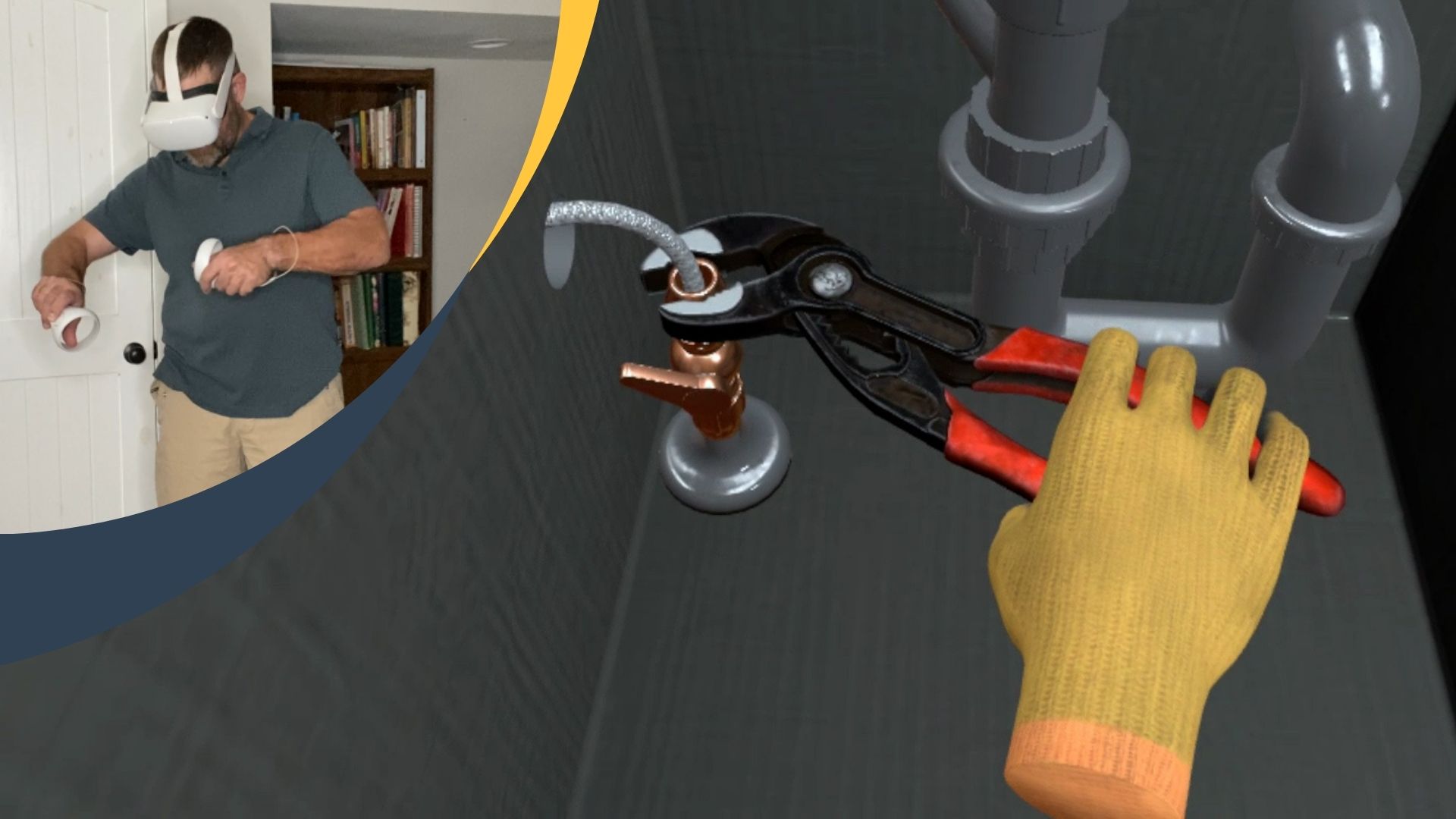
We are facing a critical workforce challenge across the United States, with over 500,000 unfilled construction and skilled trades jobs, and the gap continues to grow as experienced workers retire. In healthcare, shortages of clinical medical assistants and allied health professionals are increasing pressure on providers. At the same time, industries like EV technology and solar energy are expanding faster than traditional training programs can support.
For workforce boards, this is an ongoing challenge. We must deliver not just enrollments, but measurable employment outcomes. Employers need job ready talent, and participants expect clear career pathways, not just certifications.
Pre-apprenticeship and apprenticeship training programs offer a proven way to close the skills gap, but scaling these workforce development programs while maintaining quality and meeting WIOA performance benchmarks remains difficult.
In this guide, we show how workforce boards can build scalable, outcome driven training pathways using pre-apprenticeship and apprenticeship training, along with immersive VR training and simulation based learning to develop true job ready talent.
The Skills Gap: Why Workforce Boards Are Under Pressure
We are facing a growing workforce shortage as demand in skilled trades exceeds the supply of job ready workers. According to the U.S. Bureau of Labor Statistics, construction and extraction roles will generate nearly 649,300 job openings annually through 2034, increasing the urgency for workforce boards to act.
As a result, we are under pressure to deliver workforce training programs that drive real employment outcomes, not just participation.
Demand and Supply Gap in Skilled Trades & Healthcare
Across high demand industries such as HVAC, electrical, EV technology, and healthcare, we are seeing a clear imbalance where demand is rising faster than supply.
- Skilled trades are experiencing a severe labor shortage
- Healthcare roles, especially Clinical Medical Assistants, are seeing rapid demand growth
- Employers consistently report that entry level candidates lack hands on experience
This creates a critical disconnect. Jobs are available, but candidates are not fully prepared to step into these roles as job ready talent. We are expected to close this gap, but traditional training models often fall short when it comes to delivering real world readiness and practical skills.
How WIOA Is Driving Outcome-Based Accountability
With the introduction of WIOA, the focus of workforce funding has shifted from enrollment numbers to measurable outcomes. As workforce boards, we are now evaluated based on key performance indicators such as employment rate, retention, and median earnings, rather than just program participation.
This shift means that our training programs must directly lead to employment in high demand careers. While pre-apprenticeship and apprenticeship training programs are designed to deliver these outcomes, scaling them consistently while maintaining quality and cost efficiency remains a major challenge.
What Are Pre-Apprenticeship & Apprenticeship Programs?
Before we explore solutions, it is important for us to clearly understand the difference between pre-apprenticeship and apprenticeship programs. These terms are often used interchangeably, but they have distinct roles when designing effective workforce training programs and planning for accurate WIOA reporting.
Pre-Apprenticeship Programs: Building the Foundation
A pre-apprenticeship program is a structured training pathway that prepares individuals to enter a registered apprenticeship. It serves as a critical starting point for building a career in skilled trades or healthcare.
These programs are designed for career changers, recent graduates, returning workforce participants, and underserved populations who need foundational preparation before entering a full apprenticeship.
A strong pre-apprenticeship training program typically delivers:
- Core technical competencies aligned with the target trade
- Workplace readiness skills such as safety, professionalism, and communication
- Exposure to career pathways to support informed decision making
- The credentials and confidence needed to successfully enter a registered apprenticeship
When implemented effectively, pre-apprenticeship and apprenticeship training does more than help participants secure a job. It prepares them to build long term careers and become truly job ready talent.
Registered Apprenticeship: The Earn-and-Learn Model
A registered apprenticeship is a structured earn and learn model where participants work with an employer, earn wages from day one, and complete technical instruction alongside on the job training OJT. This approach is essential for building job ready talent through real world experience.
Participants who complete a registered apprenticeship program earn a nationally recognized credential registered with the U.S. Department of Labor DOL through the RAPIDS system, supporting accurate WIOA reporting and employer credibility.
These apprenticeship training programs are widely used across construction, healthcare, information technology, and manufacturing, and are expanding into emerging sectors, making them a key part of modern workforce development programs.
Pre-Apprenticeship to Employment: The Talent Pipeline
Together, pre-apprenticeship and apprenticeship programs create a powerful and structured talent pipeline that connects training directly to employment outcomes.
Pre-Apprenticeship to Apprenticeship to Employment
This model allows us to build a seamless workforce development pathway that supports both learners and employers while strengthening overall workforce outcomes.
This approach ensures that:
- Learners are fully prepared with the skills needed before entering the workforce
- Employers gain access to candidates with strong foundational and practical job ready skills
- Workforce boards can track clear and measurable employment outcomes aligned with WIOA performance metrics
Key Challenges in Scaling Apprenticeship Programs
We understand that recognizing the value of apprenticeship programs is one thing, but scaling them effectively in real world conditions is a completely different challenge. As workforce boards, we face several barriers that directly impact the success of pre-apprenticeship and apprenticeship training programs.
Key challenges include:
i) High infrastructure costs:
Setting up training environments such as HVAC labs, electrical bays, or clinical simulation spaces requires significant investment in equipment, physical space, and ongoing maintenance. This makes scaling hands on workforce training difficult.
ii) Geographic access gaps:
Many participants in rural and underserved areas are unable to access centralized training facilities. This limits participation and prevents workforce development programs from reaching the populations that need them most.
iii) Safety risks in hands-on training:
In industries such as electrical, HVAC, and EV technology, beginner level mistakes in live environments can lead to serious safety risks. As a result, we often rely on limited practical exposure in early stages of training.
iv) Inconsistent training quality:
Delivering training across multiple locations and instructors can lead to uneven learning experiences. This inconsistency makes it more difficult for workforce boards to maintain quality and meet WIOA performance standards.
v) High dropout rates:
When participants feel underprepared or disengaged, they are more likely to leave programs early. This directly impacts program completion rates, employment outcomes, and overall WIOA metrics.
vi) Difficulty in tracking skill outcomes:
Funding agencies require clear proof of skill development and competency attainment, not just attendance. Traditional training methods often lack the tools needed to accurately measure and report these outcomes.
How Immersive VR Training Solves These Challenges
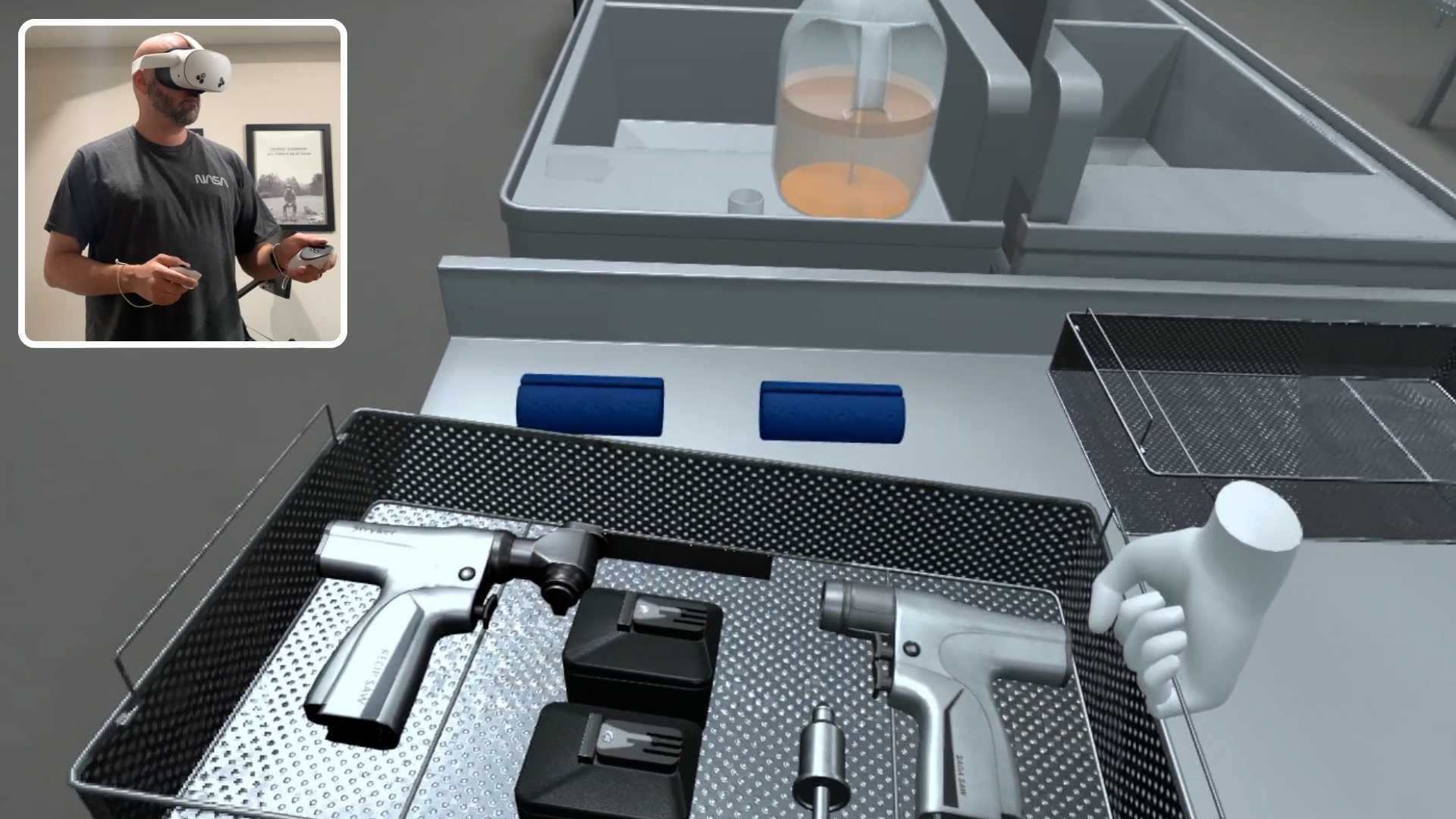
We are seeing immersive VR training transform workforce training programs by addressing key challenges in pre-apprenticeship and apprenticeship training programs. It is a proven solution built for modern workforce development.
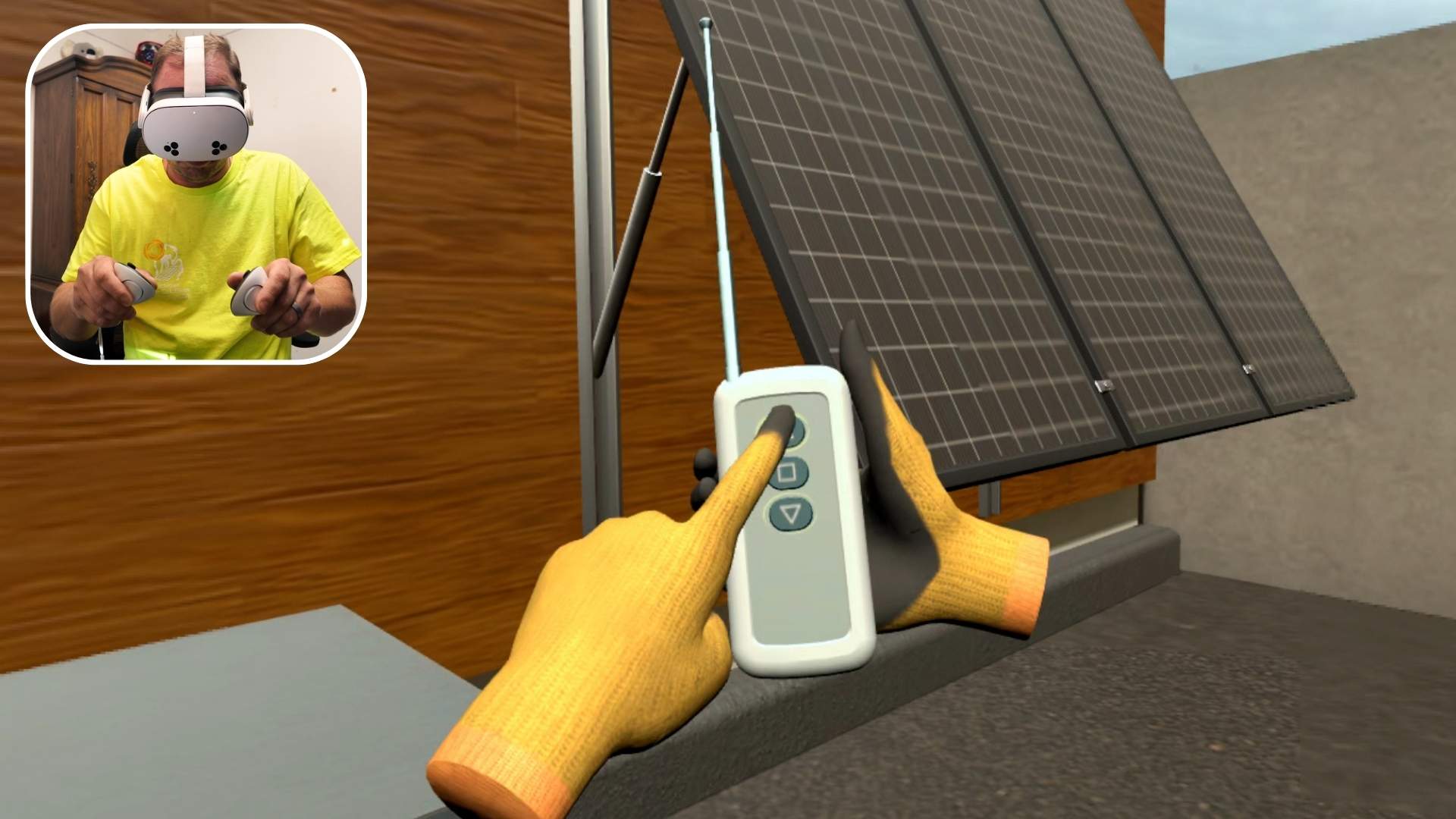
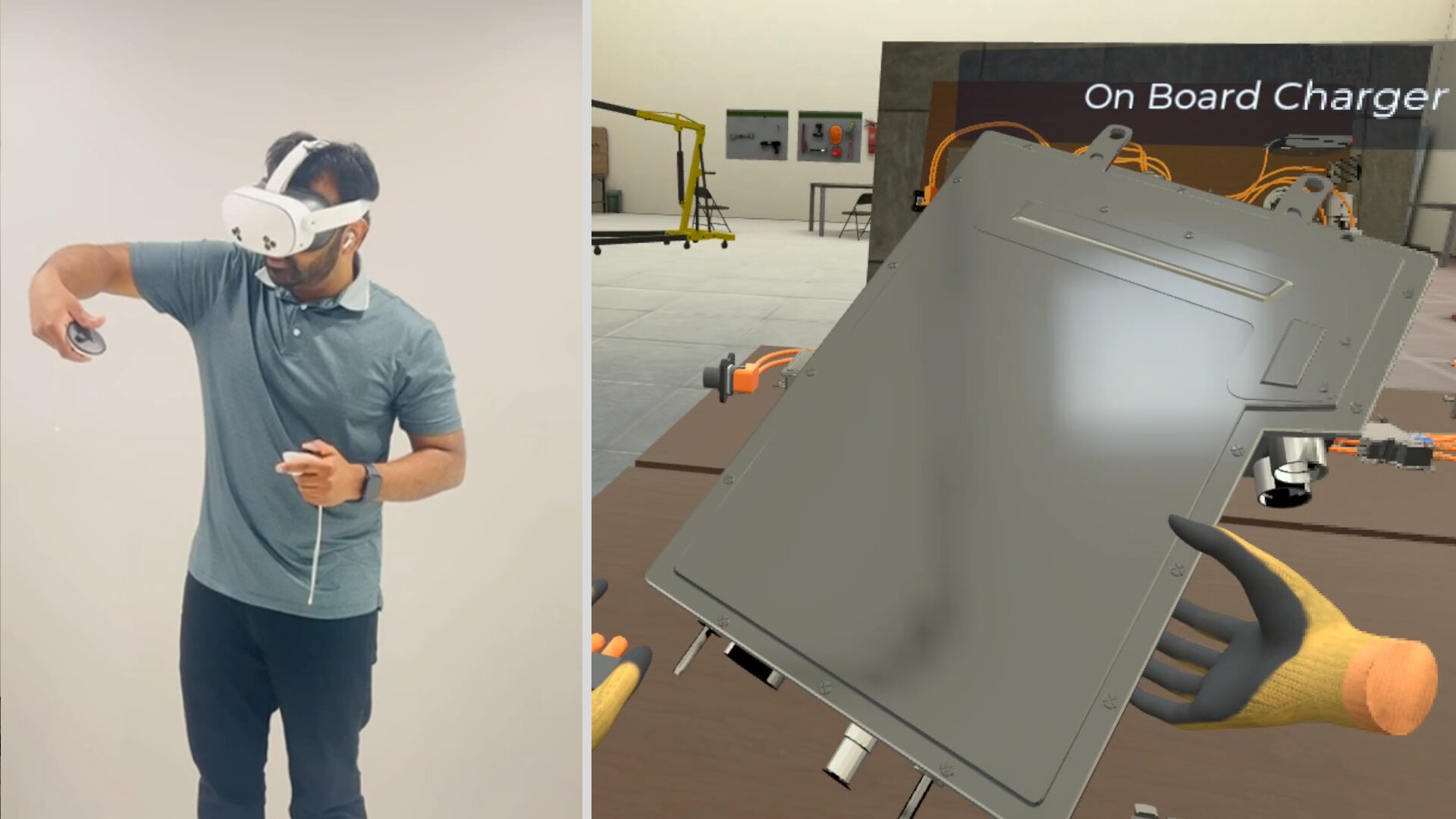
VR based training places learners in a realistic simulation environment that mirrors real world job conditions, allowing us to deliver effective hands-on training without relying on physical infrastructure.
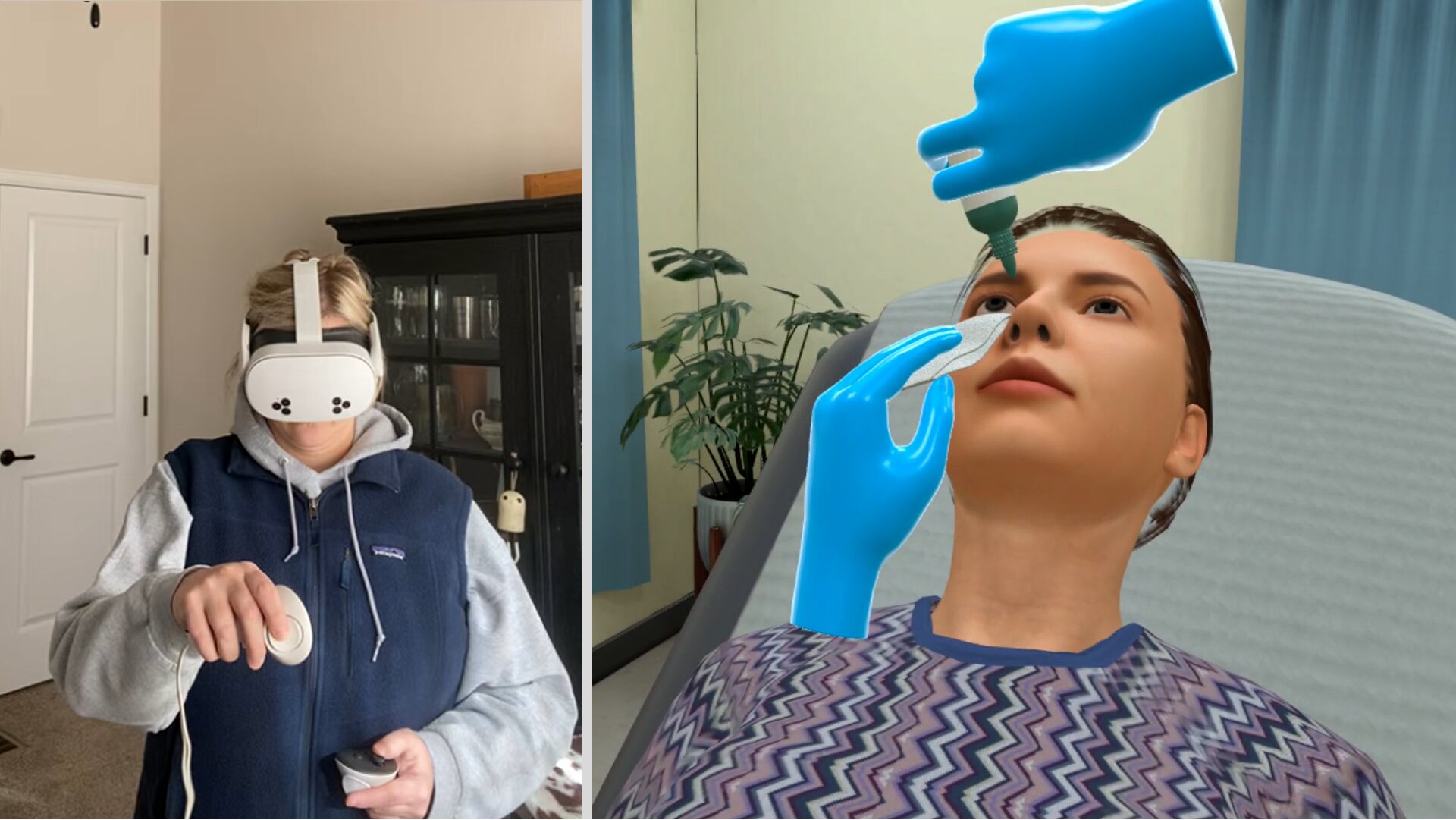
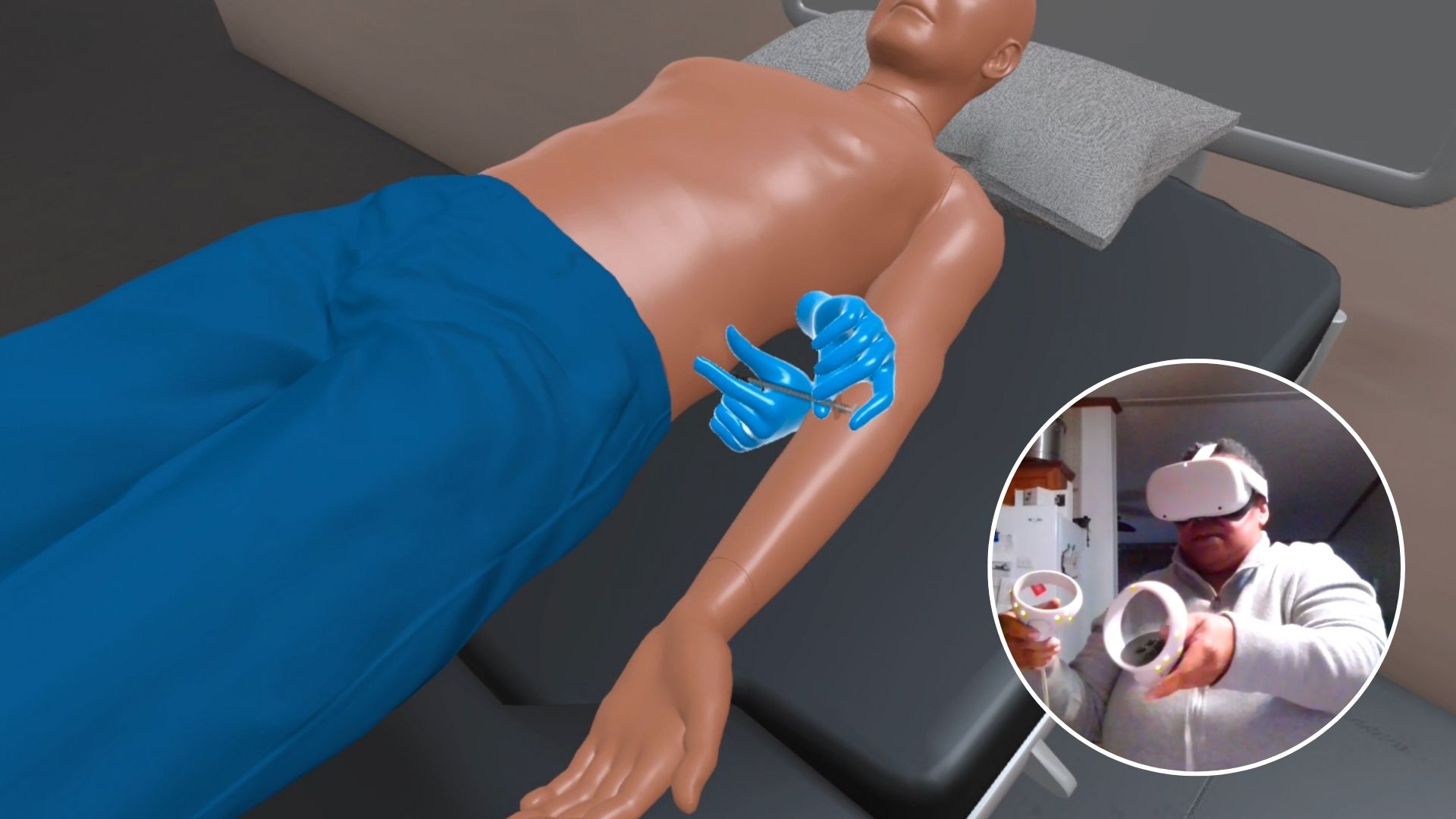
For example, a learner in HVAC training can practice system diagnostics in a safe virtual setting, while a Clinical Medical Assistant CMA candidate can perform patient intake in a simulated clinical environment. Both can repeat tasks without risk or added cost.
With immersive learning, we help participants gain practical experience, build confidence, and develop job ready skills before entering real world roles.
Why Hands-On Learning Matters More Than Ever
We are seeing a shift in how workforce training programs are delivered. According to a PwC study, learners using VR training complete training up to 4 times faster and are 275 percent more confident when applying skills on the job.
For skilled trades and healthcare training, this is critical. Learners who rely only on theory are not fully job ready, but those trained through hands-on simulation with real time feedback achieve higher skill readiness and confidence.
Learners using immersive VR training also feel 3.75 times more connected to the content, leading to higher engagement, lower dropout rates, and stronger program outcomes for workforce boards.
With VR based training, we can bridge the gap between classroom learning and real world environments, making hands-on training more accessible, repeatable, and scalable.
Source: PwC VR Training Study, 2020
Key Benefits of VR-Based Workforce Training
- No physical lab dependency: We can replicate real world lab environments digitally, reducing infrastructure costs for hands on workforce training
- Safe learning environment: Learners can build confidence without safety risks, which is essential for industries like electrical, refrigerant handling, and healthcare training
- Consistent training quality: We can deliver the same high quality training experience across urban and rural locations
- Faster skill development: Learners can repeat procedures multiple times without material costs, equipment limitations, or instructor dependency
- Built in WIOA reporting: Platforms track skill development, competency progress, and performance metrics required for WIOA compliance
- Higher engagement and lower dropout rates: Interactive simulation based learning improves participation and completion rates in workforce development programs
Integrating ImmerseLearn into Pre-Apprenticeship Pathways
ImmerseLearn provides VR-based workforce training designed specifically for pre apprenticeship and apprenticeship pathways. For workforce boards, the integration model is straightforward and built around outcomes that matter most.
Here's how workforce boards integrate ImmerseLearn:
- Step 1: Enroll participants into a cohort-based pre-apprenticeship program via American Job Centers, community outreach, WIOA Title I referrals, or employer partnerships.
- Step 2: Deliver foundational instruction covering safety fundamentals, workplace readiness, and occupation-specific introduction.
- Step 3: Integrate VR based hands on training simulations as the core practical component. Participants practice real world job tasks in immersive environments at training centers, remotely, or through hybrid learning models.
- Step 4: Complete industry-recognized certification. Participants exit with a portable credential supporting WIOA competency reporting and recognized by employer partners.
- Step 5: Transition into registered apprenticeships or direct employment. Certified participants with documented hands-on competencies become competitive candidates in the employer network.
Each ImmerseLearn’s programs aligns with industry-recognized credential standards, meaning certifications carry real currency in the labor market, not just on a training completion record.
To learn more or get started, enroll in ImmerseLearn’s VR-based training programs.
Strengthening Apprenticeship Outcomes with VR Training
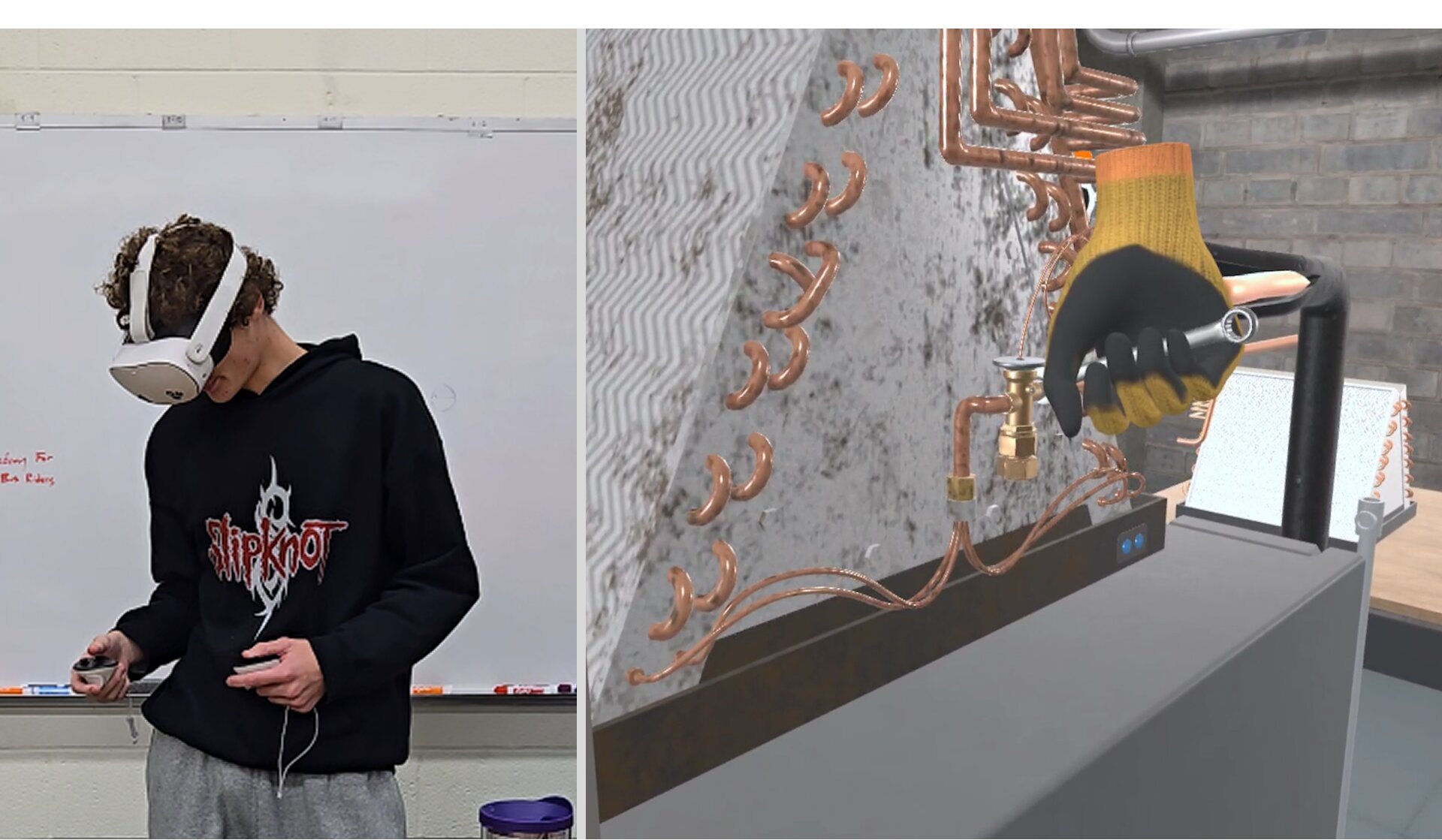
Once participants enter a registered apprenticeship, we use VR training to accelerate skill development and improve workforce outcomes.
- Pre placement simulation: Apprentices practice real job site tasks in a virtual environment, helping them become job ready from day one
- On the job training reinforcement: We enable apprentices to repeatedly practice job specific skills through simulation based learning, which improves skill retention and supports faster competency development
- Consistent training quality: With standardized VR based training content, we ensure a uniform learning experience across all employer partners and training locations
- Lower attrition rates: Confident apprentices are less likely to drop out, improving program completion rates and WIOA performance outcomes
- Stronger employer partnerships: Better prepared apprentices lead to higher employer satisfaction, encouraging employers to continue and expand their collaboration with workforce boards
Career Services: From Training to Real Employment
Completing a pre-apprenticeship or apprenticeship program is a major milestone, but we know our responsibility doesn’t end with certification. At ImmerseLearn, we integrate comprehensive career services into our training model to ensure every learner successfully transitions from training to real, sustained employment.
A Structured Pathway from Certification to Employment:
We follow a clear, step-by-step job placement process to guide learners into the workforce:
- Program completion and earning an industry-recognized credential
- Resume development and professional profile building
- Guided job search with dedicated career support
- Interview preparation and one-on-one coaching
- Ongoing placement assistance until employment is secured
Externships and Direct Employer Connections:
We support learners through two proven employment pathways:
- Externships that provide supervised, real-world experience before full-time placement
- Direct employer referrals to companies actively hiring skilled, certified candidates
Why Our Graduates Are Truly Employer-Ready:
Our learners don’t just earn a certificate, they become job-ready professionals. Through certification-aligned training, immersive VR simulations, and hands-on skill development, we ensure they build real-world confidence and practical expertise before entering the workforce.
Ongoing Career Support Beyond Placement:
Our commitment doesn’t stop at job placement. We continue to support learners with:
- Ongoing career coaching and mentorship
- Access to new job opportunities and employer referrals
- Guidance for continuous skill development and long-term career advancement
Why This Matters for Workforce Boards:
By embedding career services into the training journey, we help workforce boards deliver stronger outcomes:
- Higher job placement rates with lower cost-per-placement
- Improved retention that supports WIOA performance metrics beyond initial employment
- Stronger employer partnerships built on consistently job-ready talent
- Reduced administrative burden through a streamlined, end-to-end training and placement model
Explore ImmerseLearn’s career services to see how we turn certification into real employment outcomes.
Building a Scalable Workforce Development Model
For workforce boards and program administrators, scalability and sustainability are as important as outcomes. A program that cannot scale across locations without increasing costs is not a long term workforce development solution.
With ImmerseLearn, we create a scalable workforce training model that supports growth while maintaining quality and performance.
- Reduced infrastructure costs: VR based training delivers hands on training without physical labs, equipment, or maintenance, making programs more efficient and scalable
- Hybrid and remote delivery: We enable participants to access immersive VR training from any location. This is especially valuable for rural communities, multi site programs, and participants facing transportation challenges
- Replicable across locations: With standardized training content, we can easily scale programs across different regions and cohorts while maintaining consistent training quality and outcomes
- Measurable skill outcomes: VR based workforce training provides clear data for skill development, supporting accurate WIOA reporting and performance tracking
WIOA Alignment: How ImmerseLearn Supports Funding Goals
For workforce boards, WIOA compliance is critical for funding, evaluation, and long term program success. Workforce training programs are measured by employment rates, retention, median earnings, and measurable skill gains.
With ImmerseLearn, we support these goals through immersive VR training and simulation based learning.
- Measurable skill gains: We track learner progress and competency development through simulation based assessments, providing clear data for WIOA reporting
- Credential attainment: Our certification based programs help learners earn industry recognized credentials that align with high demand career pathways
- Employment readiness: Through hands on training and job specific simulations, we prepare participants with practical skills that improve job placement outcomes and build true job ready talent
For workforce boards, creating a structured pathway from training to certification to employment strengthens program outcomes and ensures alignment with WIOA performance expectations.
Real ROI: The Business Case for Immersive Workforce Training
As workforce board leaders, we are responsible for managing public funds, which means every investment in workforce training programs must deliver measurable return. With immersive VR training, we see a strong and proven return on investment across multiple performance areas.
What Workforce Boards Gain from VR Training
- Lower cost per learner: We reduce per learner training costs by replacing expensive physical labs with VR based simulation, making it more efficient to train large cohorts
- Higher completion rates: With immersive learning, we improve participant engagement and reduce dropout rates, which directly strengthens WIOA performance metrics and supports continued funding
- Faster time to employment: Learners who gain simulation validated skills are able to transition into jobs more quickly, improving employment outcomes and median earnings metrics
- Simplified WIOA reporting: We use automated tracking of skill development and certification data, reducing administrative workload and ensuring accurate WIOA compliance
What Employer Partners Gain from VR Training
- More job ready apprentices: With hands on simulation experience, apprentices are better prepared from day one, reducing ramp up time and improving productivity
- Lower early stage attrition: When apprentices feel confident and prepared, they are less likely to disengage, protecting employer investment in onboarding and training
- Reduced training risk: Apprentices who practice safety procedures in VR based training enter the workplace with stronger awareness, helping reduce workplace risks and safety issues
From Training to Employment: The Complete Pathway
Workforce boards exist for one purpose: connecting people to good jobs and building stronger regional economies. Every program and investment should be evaluated against that outcome.
The pathway ImmerseLearn enables is clear and measurable:
Enrollment → Pre-Apprenticeship Training → Industry-Recognized Certification → Registered Apprenticeship or Direct Employment → Career Advancement
This isn't a theoretical pipeline, it's the model forward-thinking workforce boards are building today, with immersive VR training as the piece that makes it scalable.
The partnership between workforce boards and ImmerseLearn is built on one shared goal: a skilled worker, placed in a good job, earning a living wage. That's what WIOA, employers, participants, and communities are all asking for.
Frequently Asked Questions:
Q1) What is the difference between pre-apprenticeship and apprenticeship?
Ans: Pre-apprenticeship provides foundational skills to prepare learners for entry. A registered apprenticeship is an earn-and-learn program combining paid work, on-the-job training, and a recognized credential.
Q2) How do these programs align with WIOA?
Ans: They support WIOA metrics like employment rate, retention, earnings, and credential attainment by delivering job-ready skills and recognized certifications.
Q3) How can workforce boards use VR training?
Ans: Workforce boards can use VR training as a hands-on solution, enabling safe, repeatable practice and helping learners gain skills before employment.
Q4) What are the main challenges in scaling apprenticeship programs?
Ans: Key challenges include high costs, limited access, inconsistent training, safety risks, dropout rates, and difficulty tracking skill outcomes.
Conclusion
We know the skills gap will not close without intentional and scalable workforce development programs. As workforce boards, we must invest in the right tools to build job ready talent and deliver real outcomes.
Pre-apprenticeship and apprenticeship training programs are proven pathways, but the challenge is making them accessible, consistent, and scalable. With immersive VR training, we can reduce costs, improve training outcomes, and meet WIOA performance goals and employer expectations.
The future workforce is being developed today. The real question is whether our training programs are designed to deliver the skills and outcomes needed for tomorrow’s jobs.
Ready to bring immersive training to your workforce programs? Contact ImmerseLearn to learn how we can support your pre-apprenticeship and apprenticeship initiatives, from program design to certification and WIOA reporting.