

Proper Body Mechanics in Patient Care for Medical Assistants
Introduction:
Picture this: it is your first week of externship, and you are in a real outpatient clinic. A patient needs help getting off the exam table. Instinctively, your hands reach forward and your back bends, and in that split second, you realize no video lecture truly prepared you for this moment. You pause. Did I use the right grip? Is my back aligned correctly? That moment of uncertainty happens more often than most training programs admit, and it carries real consequences. Poor technique in even one second can compromise patient safety or result in a back injury that follows you for years. Proper body mechanics in patient care is not something you simply read about.
It is a physical habit you develop through repetition, and it is a core competency that strengthens clinical skills, ensures injury prevention, and supports professional development. Mastering this skill sets a confident, job-ready Clinical Medical Assistant apart from someone who has merely completed a course.
Understanding Proper Body Mechanics in Clinical Settings
Beyond “Lift With Your Legs”:
Most people have heard the phrase, but body mechanics in a clinical environment goes far beyond that single tip. In healthcare, it is the coordinated use of our muscles, bones, joints, and posture to maintain balance, protect our spine, and move safely during patient handling. For a Medical Assistant, these principles apply across a wide range of daily tasks: helping a patient move from seated to standing, repositioning someone on the exam table, assisting with ambulation, and supporting patients with limited mobility during procedures. Proper body mechanics is not a single movement. It is an ongoing physical discipline, a clinical competency, and a foundation for safe and effective patient care.
Why Body Mechanics Matters in Outpatient Clinics:
In outpatient settings, we assist patients with mobility multiple times per day, moving someone from a chair to the exam table, guiding them to the restroom, or helping them stand after an injection. Unlike hospital nurses, clinic MAs often work without a team or specialized lifting equipment, which increases the risk of injury. According to the Bureau of Labor Statistics, healthcare workers experience some of the highest rates of musculoskeletal injuries among all occupations (Source: OSHA/BLS).
For an aspiring Clinical Medical Assistant, mastering proper body mechanics in patient care is not optional. It is essential for career longevity, professional development, maintaining strong clinical skills, and ensuring consistent patient safety.
Core Body Mechanics Principles Every Medical Assistant Follows
As Clinical Medical Assistants, we rely on a set of core principles to ensure proper body mechanics in patient care. Learners who want to practice these techniques step by step can explore our Proper Body Mechanics in Patient Care micro-skill training, where these principles are applied in realistic clinical scenarios. Each principle is practical, easy to follow, and designed for real clinical application to protect both the patient and ourselves.
- Stable Base, Feet Hip-Width, Weight Balanced: A firm, balanced stance lowers your center of gravity, making patient handling safer. We always start with our feet planted firmly before any lift or reposition.
- Keep the Patient Close to Your Body: The closer the patient is to your torso, the less strain on your spine. Adjusting the bed or table height before transfers ensures optimal leverage for safe movement.
- Bend at the Knees, Not the Waist: Your legs absorb the load, and your lower back should never take it. This is a commonly broken rule in clinical settings and the fastest way to cause musculoskeletal injuries.
- Neutral Spine, Rotate Feet, Not Torso: Twisting while bearing a load is the primary cause of MA back injuries. We pivot with our feet and keep our spine neutral during every assisted movement.
- Engage Core Before Every Assisted Move: A brief abdominal bracing stabilizes the lumbar spine and prevents cumulative strain during repeated patient transfers. This step strengthens clinical skills and supports injury prevention.
- Always Communicate with the Patient First: Clear instructions, like “On three, we’ll stand together,” prevent sudden shifts. Patient cooperation is part of safe body mechanics, not an optional extra.
- Know When to Use Assistive Devices: Gait belts, slide sheets, and mechanical lifts exist for a reason. Using them properly, or asking for assistance, is professional judgment, not weakness. Recognizing your limits and the patient’s needs is essential for safe, professional patient care.
Patient Support Scenarios Where Proper Body Mechanics Is Essential
Theory only goes so far, these principles come to life in real clinical situations we face as Medical Assistants every day. Applying proper body mechanics in patient care ensures patient safety, prevents injuries, and strengthens our clinical skills.
A) Assisting Patients from Seated to Standing Safely:
We stand directly in front of the patient with a stable, balanced stance. A gait belt is used when needed. Ask the patient to scoot forward, keep feet flat, lean slightly, and rise on our count. Guide with your hands, never pull.
Risk if ignored: Sudden shifts can lead to back injuries in seconds.
B) Helping Patients onto the Exam Table Properly:
Lower the table to seat height and use a step stool for patients with mobility challenges. Stand beside the patient, placing hands on their back and hip, guiding each step. Move slowly with elderly or impaired patients to maintain patient safety.
Risk if ignored: Rushing can cause falls and injuries.
C) Repositioning Patients During Exams Safely:
Move patients smoothly and evenly with no jerks or pulling. For major adjustments, use the log-roll technique to keep the spine aligned. Adjust table height to your level before repositioning to reduce strain.
Risk if ignored: Bending over a low surface while handling weight significantly increases musculoskeletal injury risk.
D) Walking and Ambulation Assistance for Patients:
Walk on the weaker side, slightly behind, using a gait belt with an underhand grip. Take small, controlled steps. If a patient falls, guide them safely to the floor, never try to catch them upright. Bend knees, widen your stance, and lower them along your leg.
Critical: Following these steps protects both the patient and your professional safety, while reinforcing safe, effective clinical skills.
The Real Cost of Ignoring Proper Body Mechanics
Risks to Patient Safety
When we perform an improper transfer, a patient may experience a fall, bruising, soft tissue injury, or, especially for elderly or osteoporotic patients, a fracture. Beyond physical harm, a single incident can damage patient trust and expose the clinic to liability risk. Many patients with chronic conditions or limited mobility are genuinely fragile, relying entirely on our technique in that moment. Applying proper body mechanics in patient care ensures both their safety and confidence in our abilities.
Risks to Medical Assistants and Career
The stakes are equally high for us as MAs:
- Back and musculoskeletal injuries: Bending incorrectly, twisting under load, or overextending can cause chronic back pain, repetitive strain, and even long-term disability.
- Lost workdays: According to OSHA and BLS data, musculoskeletal disorders are a leading cause of absenteeism in healthcare, costing thousands of work hours nationwide.
- Professional credibility: Poor body mechanics during externships or clinical rotations can affect performance evaluations and future job opportunities.
Pro Tip: Every patient interaction is a test of our body mechanics skills. Repetition, practice, and supervision turn safe techniques into second nature, exactly what immersive CMA programs, like ImmerseLearn’s Clinical Medical Assistant Training Program, are designed to provide.
How Clinical Training Programs Develop Proper Body Mechanics Skills
Why Video Lessons Alone Aren’t Enough:
We know that proper body mechanics in patient care is a motor skill, not just theoretical knowledge. Reading or watching a transfer cannot train our hands, feet, and posture to respond when a patient shifts unexpectedly. True mastery comes from repetition, real-time feedback, and low-risk practice before interacting with patients.
VR Simulations Enhance Skill Mastery:
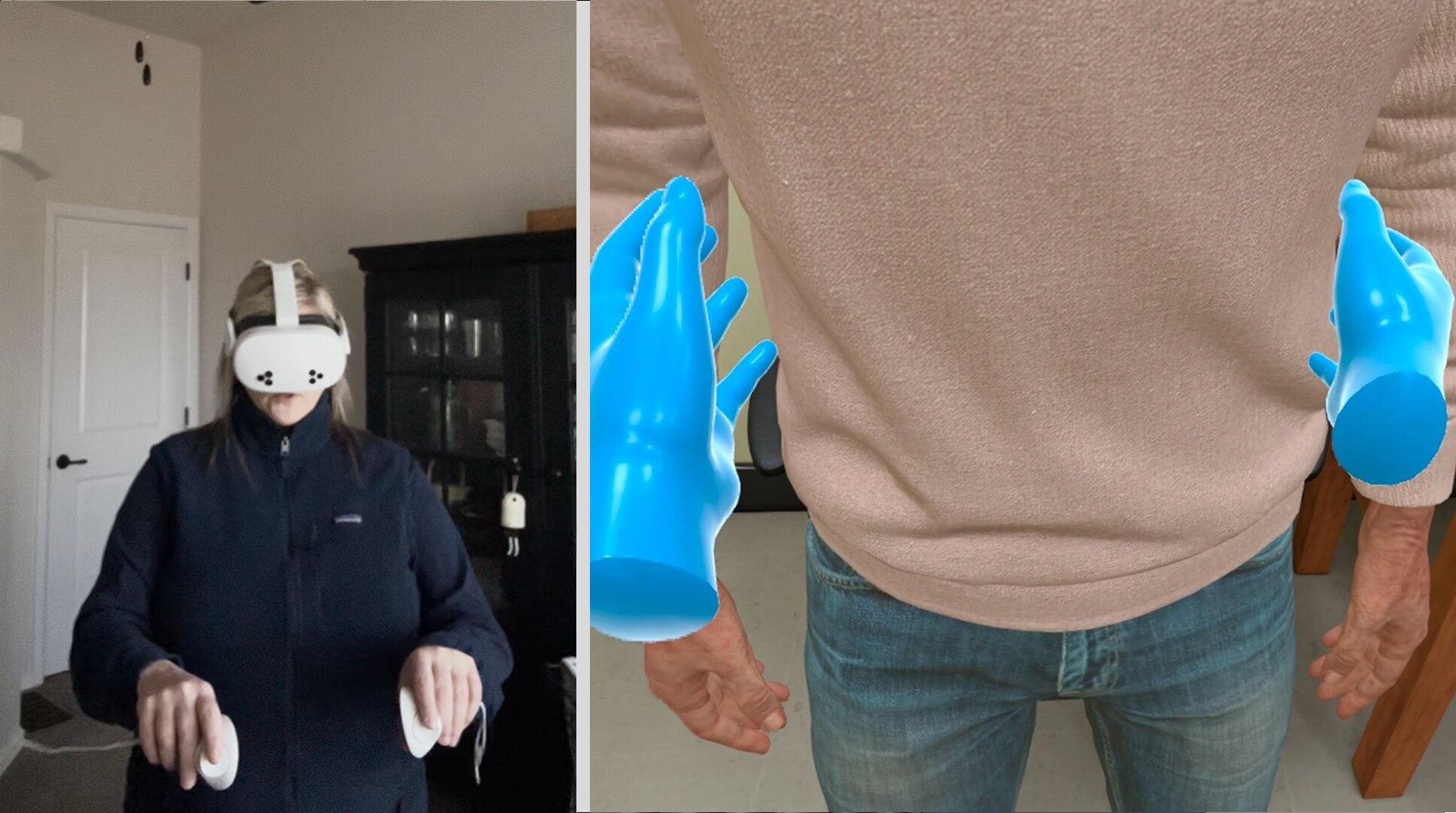
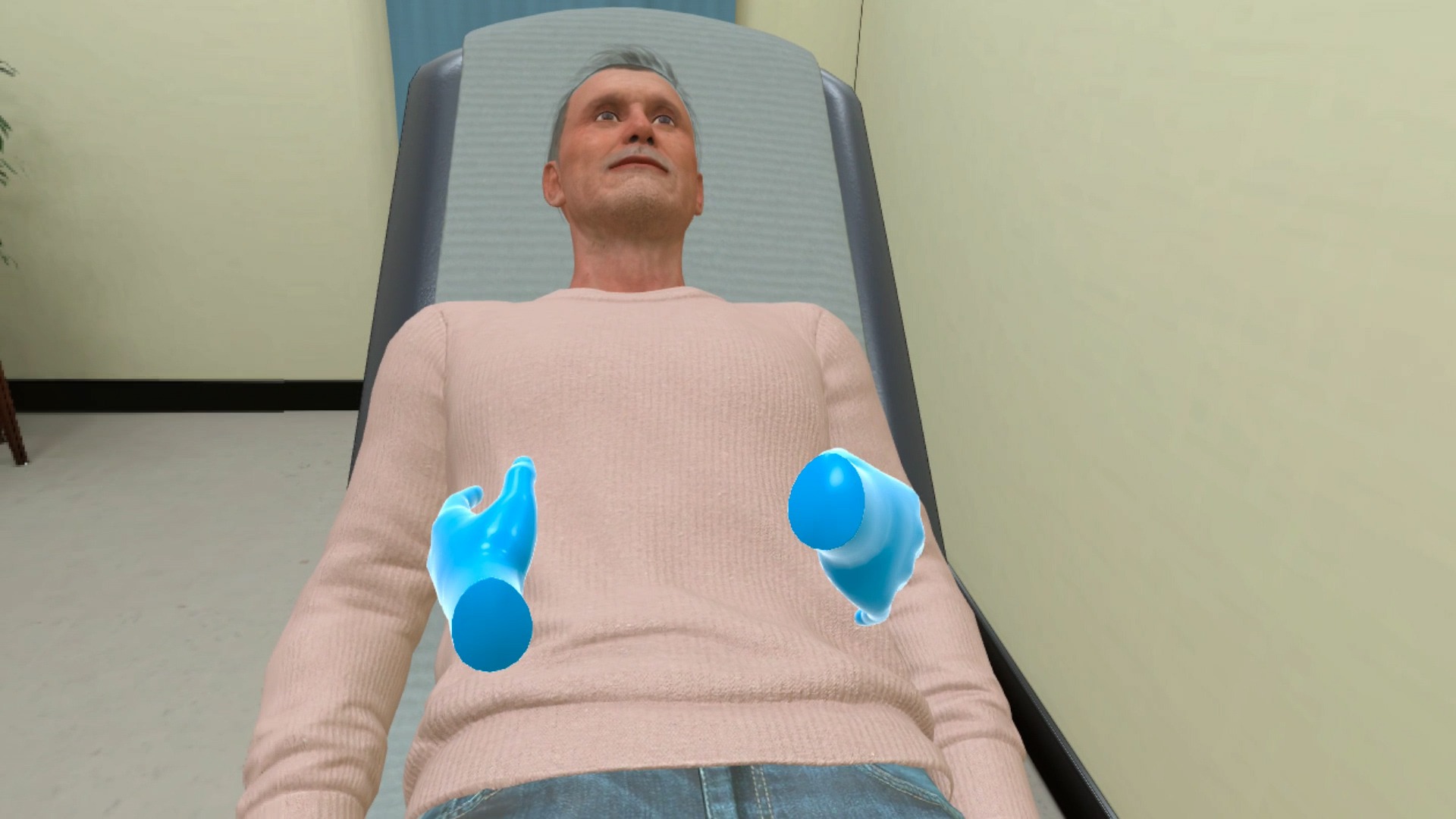
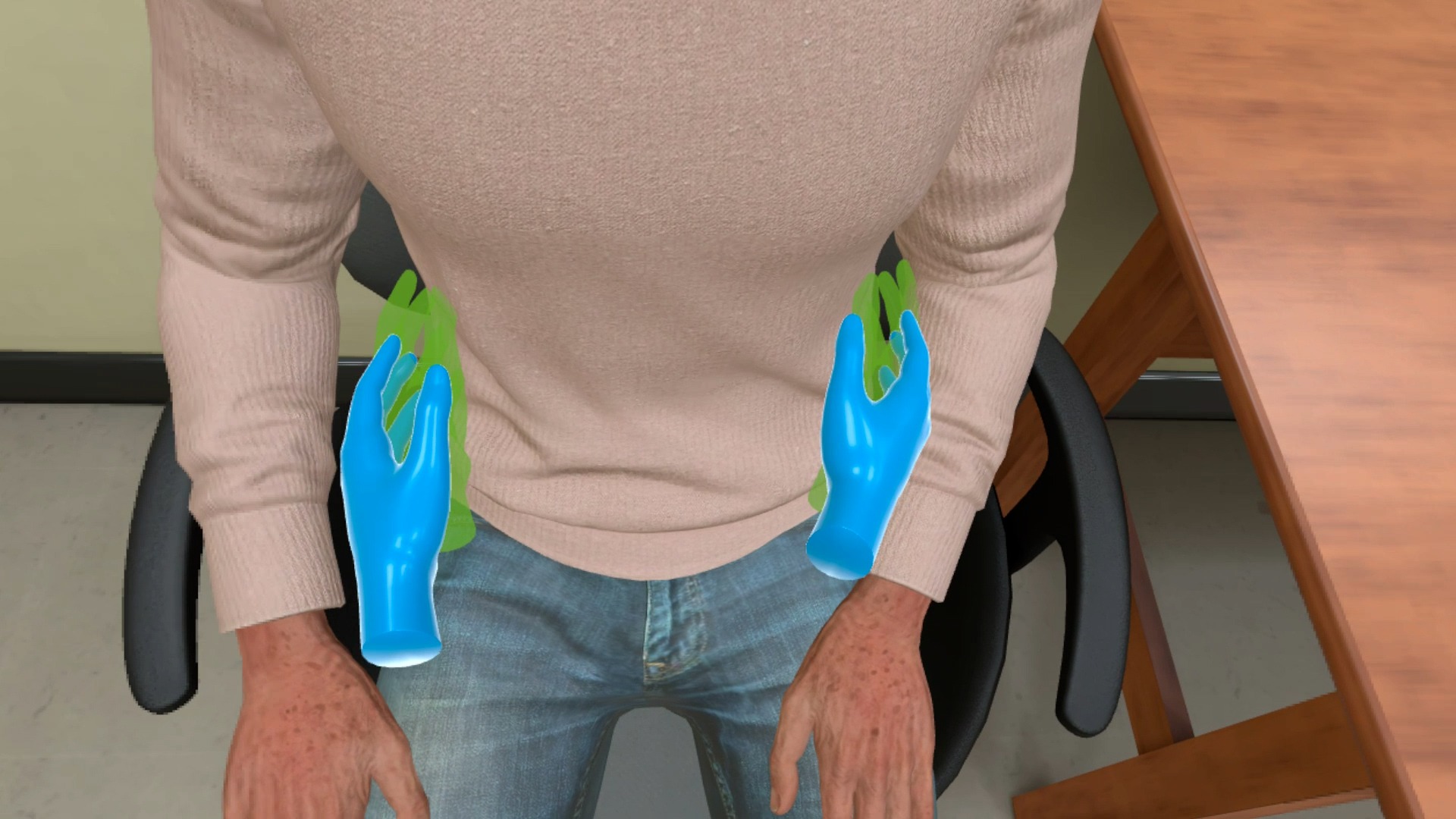
Immersive VR puts learners in realistic healthcare scenarios where patient handling can be practiced safely and repeatedly:
- Adjusting table height, using gait belts, and guiding patients become second nature.
- Mistakes happen in a risk-free environment, allowing learners to correct habits immediately.
- Muscle memory develops, turning proper body mechanics into automatic, reflexive actions, not just steps to remember.
By the time we enter a real clinic, we move confidently and safely with every patient interaction. This hands-on VR experience strengthens clinical skills, reduces injury risk, and improves patient safety from day one.
Externships Reinforce Safe Practices:
A supervised clinical externship is where VR-built habits meet the real world. Under the guidance of experienced clinical mentors, we apply what we have practiced in simulated environments to actual patient interactions, receiving direct professional feedback that reinforces proper technique permanently.
This is the exact model used in ImmerseLearn’s Clinical Medical Assistant Training Program, combining immersive VR simulations with hands-on externship placements to ensure graduates do not just understand body mechanics, they have practiced it hundreds of times before stepping into a clinic professionally.
How ImmerseLearn Uses VR to Teach Proper Body Mechanics
While classroom explanations introduce the concept of body mechanics, true mastery comes from repeated physical practice. At ImmerseLearn, we use immersive Virtual Reality (VR) simulations to place learners in realistic clinical scenarios, where they can safely and confidently practice patient support techniques.
VR training allows us to:
- Practice patient movement and transfer techniques repeatedly
- Understand proper posture and lifting positions
- Develop muscle memory through hands-on repetition
- Experience realistic patient care scenarios
- Build confidence before entering real clinical settings
Instead of just reading about proper body mechanics in patient care, learners actively practice these techniques in a safe, controlled environment. This immersive training ensures practical skills are mastered, strengthening clinical skills, reducing injury risk, and preparing learners to deliver safe, effective care from day one.
To see how these skills are developed in real training, explore our Clinical Medical Assistant Training Program.
.jpg)
Frequently Asked Questions:
Q1) What is proper body mechanics in patient care?
Ans. Proper body mechanics in patient care is the coordinated use of our muscles, bones, and posture to move patients safely, prevent musculoskeletal injuries, and maintain efficient, effective clinical skills.
Q2) Why do medical assistants need to learn body mechanics?
Ans. Learning proper body mechanics protects both ourselves and our patients, prevents workplace injuries, and demonstrates competence during externships and job placements.
Q3) How do you safely help a patient stand up?
Ans. We use a gait belt, bend at the knees rather than the waist, keep the patient close, communicate clearly, and pivot with our feet instead of twisting the torso. These steps ensure patient safety and reduce injury risk.
Q4) Is body mechanics covered in the NHA CCMA exam?
Ans. Yes, knowledge of safe patient handling and proper movement principles is included in clinical competency assessments to ensure readiness for real-world care.
Conclusion: Building Confidence and Safety in Patient Care
Proper body mechanics in patient care is more than a guideline. It is a critical skill that protects both patients and medical assistants every single day. The difference between a confident clinical interaction and a workplace injury often comes down to structured training, repetition, and developing strong muscle memory.
Programs like ImmerseLearn’s Clinical Medical Assistant Training Program combine immersive VR simulations with supervised externships, allowing learners to practice and perfect these skills in realistic, low-risk scenarios. By the time graduates enter a clinic, proper body mechanics becomes second nature, strengthening clinical skills, ensuring patient safety, and reducing injury risk.
For aspiring medical assistants, mastering these techniques early ensures both personal safety and professional confidence. Are you ready to build these essential skills before entering the clinic and take your first step toward a safer, more confident healthcare career?