

Throat Culture Specimen Collection for Clinical Medical Assistants
Introduction:
In clinics, urgent care centers, and physician offices, many routine procedures play a vital role in patient diagnosis. One essential task is Throat Culture Specimen Collection, a fundamental clinical procedure that helps healthcare providers accurately identify infections and determine the appropriate treatment plan.
When patients present with symptoms such as sore throat, fever, or swollen lymph nodes, the diagnostic information obtained through proper specimen collection can guide the entire care plan. Accurate throat culture specimen collection helps providers determine whether a patient requires medication, additional testing, or reassurance that no serious infection is present.
For those training to become Clinical Medical Assistants, mastering Throat Culture Specimen Collection is an essential clinical competency. Healthcare employers expect medical assistants to understand proper specimen collection techniques, maintain diagnostic accuracy, and support safe, effective patient care from the first day in a clinical environment.
What Throat Culture Specimen Collection Is
Throat Culture Specimen Collection is a routine clinical procedure used to obtain a sample from the back of a patient’s throat for diagnostic testing. During this process, we collect a throat specimen and send it to a laboratory, where technicians analyze it to detect bacteria or microorganisms responsible for infection.
Healthcare providers commonly use Throat Culture Specimen Collection to identify infections such as streptococcal bacteria, which can cause strep throat. Identifying the organism responsible for the infection helps physicians select the most appropriate treatment plan and provide timely patient care.
During the throat culture procedure, we gently swab the tonsillar area and posterior pharynx using a sterile specimen collection swab. The swab must collect material from the correct anatomical locations while avoiding contact with the tongue, teeth, or cheeks to prevent specimen contamination and ensure accurate laboratory results.
Although Throat Culture Specimen Collection may appear simple, proper specimen collection technique is essential. Incorrect collection can lead to inaccurate results or require the test to be repeated, delaying diagnosis and patient treatment.
Why This Skill Matters for the Clinical Medical Assistant Role
As Clinical Medical Assistants, we work at the intersection of patient care and clinical operations. Our responsibilities include taking vital signs, collecting clinical specimens, preparing patients for examinations, and assisting physicians with procedures. Throat Culture Specimen Collection is a common specimen collection procedure in many clinics and urgent care settings and plays an important role in accurate patient diagnosis.
1) Patient diagnosis depends on specimen quality:
During a throat culture procedure, the quality of the throat culture sample directly affects diagnostic accuracy. If the specimen is contaminated or collected from the wrong area of the pharynx, laboratory results may be unreliable. False-negative results may allow a patient with streptococcal infection (strep throat) to go untreated, while false positives can lead to unnecessary antibiotic prescriptions.
2) The procedure requires confident patient interaction:
Many patients, especially children, may gag or feel uncomfortable during throat swabbing. As trained medical assistants, we clearly explain the procedure, position the patient correctly, and perform Throat Culture Specimen Collection efficiently to support both patient comfort and accurate specimen collection.
3) Proper technique supports infection control:
During Throat Culture Specimen Collection, we follow strict infection control protocols, including proper glove use, careful sterile swab handling, and correct specimen transport procedures. These practices help maintain clinical hygiene standards and prevent cross-contamination in healthcare environments.
4) Speed and accuracy support clinical workflow:
In busy clinics, physicians and nurse practitioners often rely on rapid strep testing to make treatment decisions during the same visit. Performing Throat Culture Specimen Collection quickly and accurately supports efficient clinical workflow and helps the healthcare team deliver timely patient care.
Equipment and Preparation for Throat Culture Collection
Before performing Throat Culture Specimen Collection, we must prepare the correct equipment and ensure the patient understands the procedure. Proper preparation helps maintain specimen integrity, supports infection control, and improves the accuracy of laboratory testing.
Common Equipment Used:
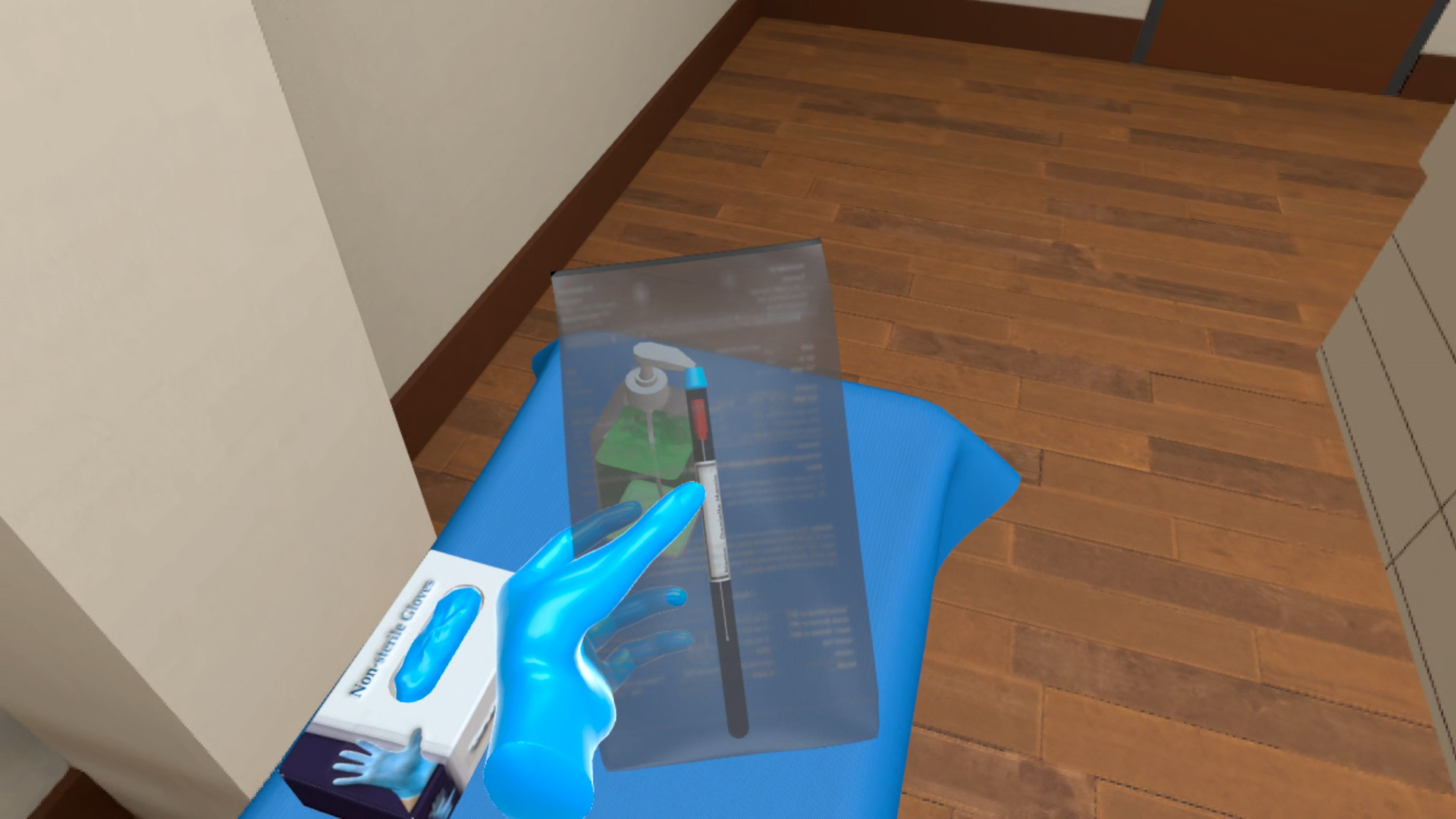
During Throat Culture Specimen Collection, we typically use the following clinical supplies:
- Sterile throat swab: used to collect the throat specimen from the back of the pharynx.
- Specimen transport tube with culture medium: used to safely preserve and transport the collected sample to the laboratory for analysis.
- Tongue depressor: helps us gently hold the tongue down so we can clearly see the tonsillar area and posterior pharynx during the throat culture procedure.
- Personal protective equipment (PPE) such as gloves and a mask, helps maintain infection control and protects both the patient and healthcare professional.
- Specimen label and documentation forms: ensures the sample is properly identified and recorded for accurate laboratory processing.
Each piece of equipment plays an important role in maintaining specimen quality and preventing contamination during Throat Culture Specimen Collection.
Preparing the Patient:
Patient preparation is equally important for successful Throat Culture Specimen Collection. Before starting the procedure, we explain the throat culture process in clear and simple language so the patient understands what will happen.
We usually ask the patient to open their mouth widely and say “ah,” which helps expose the throat and allows us to clearly see the tonsils and posterior pharynx. Proper positioning and clear communication make it easier for us to collect an accurate throat specimen.
By communicating calmly and preparing the patient correctly, we can reduce patient anxiety and complete the throat culture procedure quickly, safely, and efficiently.
.jpg)
Step by Step Throat Culture Specimen Collection Procedure
Following a clear process ensures Throat Culture Specimen Collection produces a high-quality specimen for accurate laboratory testing. Using the correct throat culture procedure supports reliable diagnostic results and helps healthcare providers identify infections such as streptococcal bacteria.
i) Patient Preparation:
Before beginning Throat Culture Specimen Collection, we perform proper hand hygiene and wear appropriate personal protective equipment (PPE) such as gloves. The patient is positioned upright to allow clear access to the throat. We explain that a sterile swab will briefly touch the back of the throat, helping reduce anxiety and ensuring the specimen collection process proceeds smoothly.
ii) Proper Swabbing Technique:
During the procedure, we use a tongue depressor to visualize the tonsillar area and posterior pharynx. The sterile throat swab is then carefully moved to these areas while avoiding contact with the tongue, teeth, or cheeks to prevent contamination. Correct specimen collection technique ensures the throat culture sample contains material needed for accurate laboratory analysis.
iii) Specimen Handling and Labeling:
After Throat Culture Specimen Collection, the swab is placed into a specimen transport tube containing the appropriate culture medium. The tube is sealed and labeled with the patient’s identifying information according to clinical documentation protocols, helping prevent identification errors and ensuring proper laboratory processing.
iv) Laboratory Transport:
Finally, the labeled specimen is transported to the laboratory within the recommended timeframe. Timely specimen transport preserves sample integrity and supports accurate bacterial identification during laboratory testing.
Common Mistakes During Throat Culture Collection and How to Avoid Them
When we begin learning Throat Culture Specimen Collection, encountering a few challenges is normal. Recognizing common mistakes early helps improve our specimen collection technique, maintain specimen quality, and ensure accurate laboratory testing results.
A common mistake occurs when the sterile swab touches the tongue, teeth, or sides of the mouth before reaching the back of the throat. This can contaminate the throat specimen and affect the accuracy of laboratory analysis.
Another issue happens when the swab does not reach the correct anatomical areas, such as the tonsillar area or posterior pharynx. If the specimen is not collected from these locations during Throat Culture Specimen Collection, the sample may not contain enough bacteria for reliable diagnostic testing.
Improper specimen labeling is another critical concern. After performing Throat Culture Specimen Collection, the specimen transport tube must be clearly labeled with the patient’s identifying information according to clinical documentation procedures. Accurate labeling prevents identification errors and ensures proper laboratory processing.
With proper training, attention to technique, and repeated practice, we can avoid these mistakes and build strong clinical skills in Throat Culture Specimen Collection, supporting accurate diagnosis and better patient care.
How ImmerseLearn Teaches This Skill Using Virtual Reality
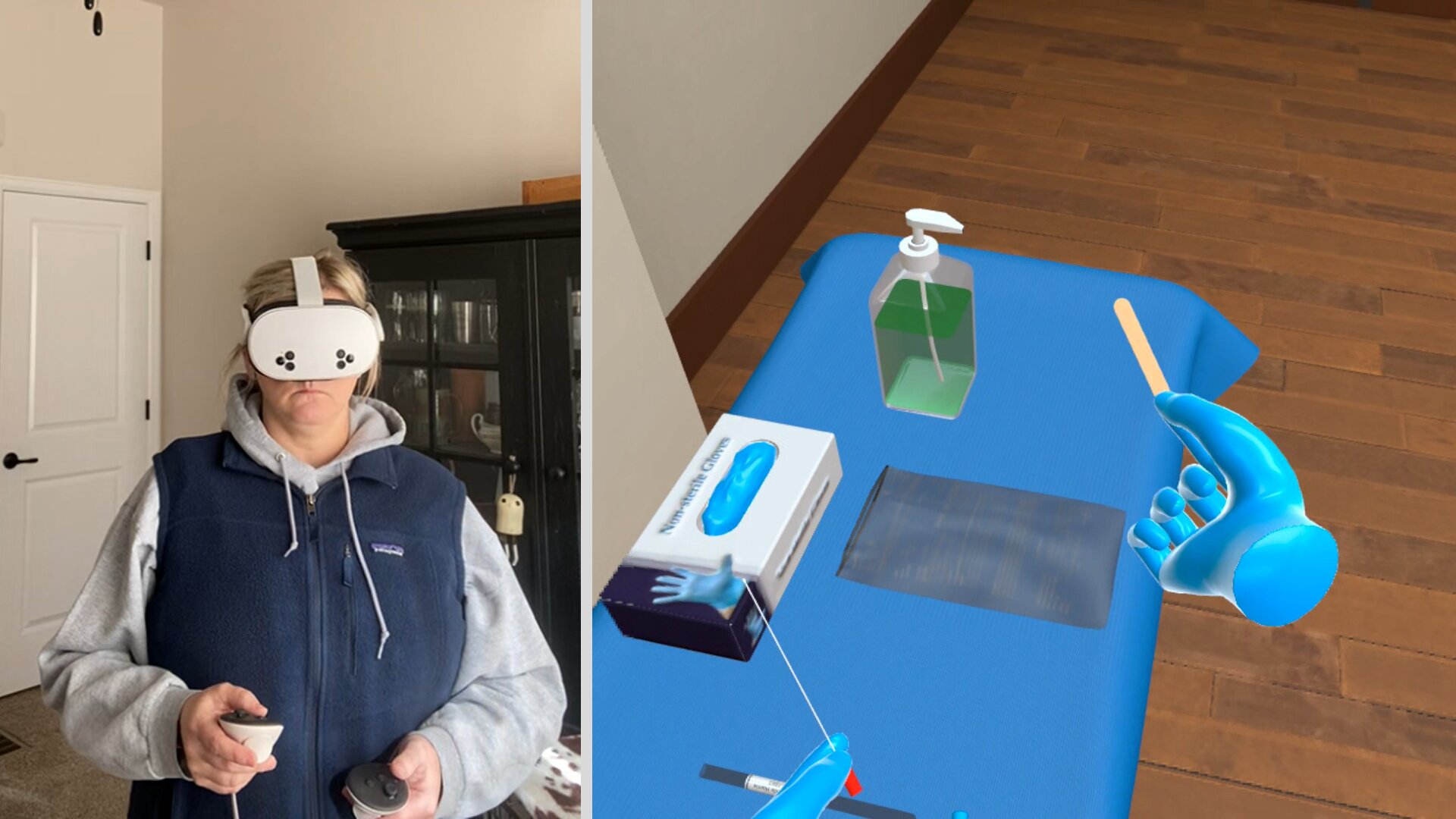
We believe healthcare professionals learn clinical skills best through practice, not just theory. This philosophy guides the ImmerseLearn Clinical Medical Assistant program, especially when teaching essential procedures such as Throat Culture Specimen Collection and other specimen collection techniques.
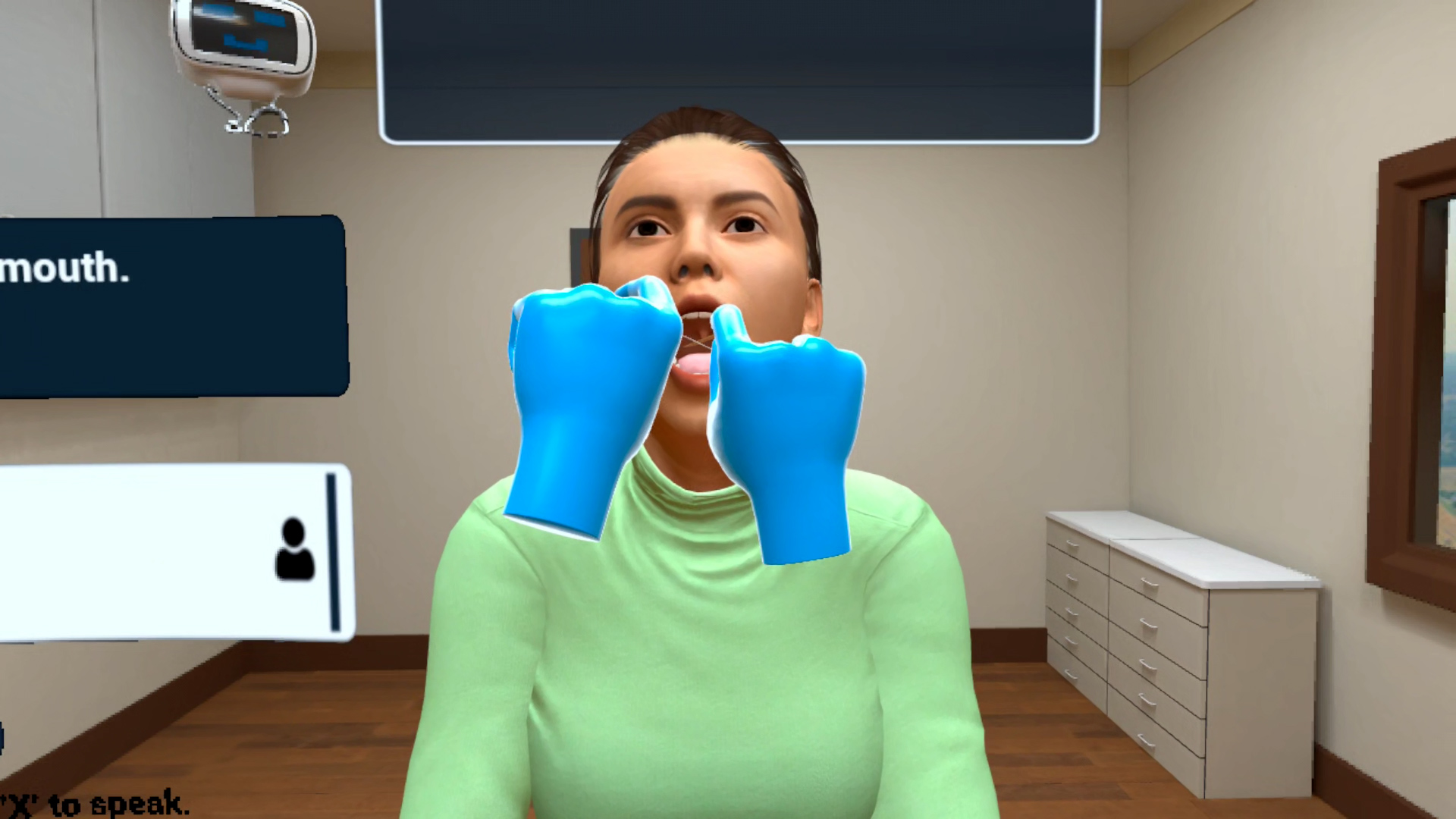
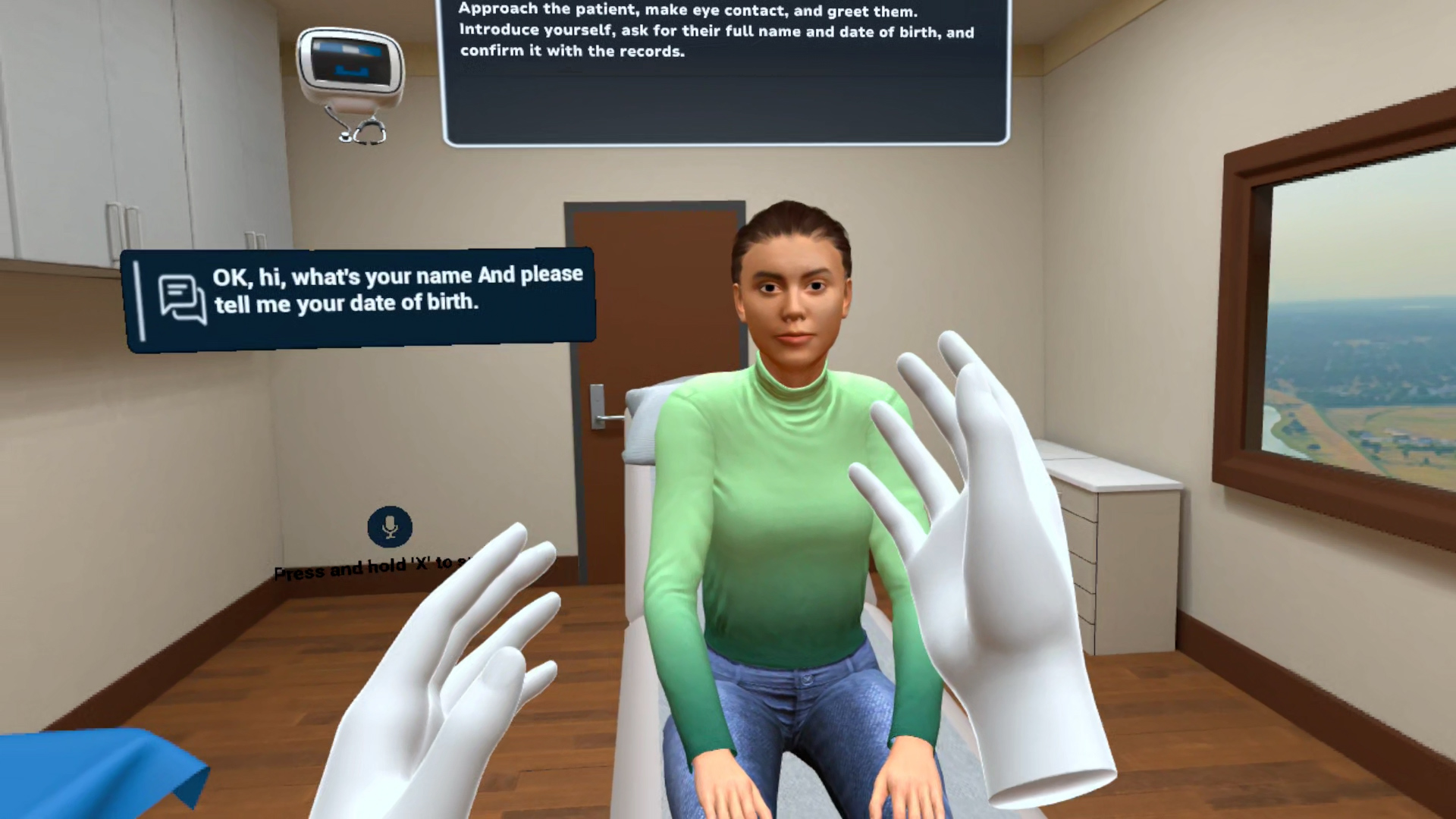
At enrollment, every learner receives a VR headset and enters a realistic virtual clinical environment where simulated exam room scenarios allow step-by-step practice of clinical procedures. Through this immersive simulation, we practice Throat Culture Specimen Collection in a setting that closely reflects real healthcare environments.
For Throat Culture Specimen Collection, VR training allows us to:
1) Practice without a real patient:
In the VR environment, we repeat the throat culture procedure on a virtual patient until our specimen collection technique becomes accurate. We learn to position the tongue depressor, identify the tonsillar area and posterior pharynx, and collect the specimen correctly.
2) Receive immediate feedback on technique:
Unlike textbooks or videos, VR simulation responds to our actions. When practicing Throat Culture Specimen Collection, we receive immediate feedback on our technique, allowing us to identify and correct mistakes in real time.
3) Build muscle memory for clinical practice:
Repeated simulation helps develop procedural muscle memory, enabling us to perform throat culture specimen collection confidently when working in real clinical environments.
4) Repeat until the technique becomes natural:
VR-based training allows unlimited practice. If we perform the swab incorrectly or touch the wrong area, we can reset the simulation and repeat the specimen collection procedure until our technique improves.
The ImmerseLearn training approach is built on a simple principle: confidence in clinical procedures comes from repeated, realistic practice. Through immersive VR clinical simulation, learners practice Throat Culture Specimen Collection and other medical assistant skills in a safe, controlled learning environment regardless of location or available clinical resources.
Learn more about the Throat Culture Specimen Collection micro-credential and its clinical training.
Real World Application and Externship Experience
After developing foundational clinical skills through immersive training, we apply what we learn in real healthcare environments. Practicing procedures such as Throat Culture Specimen Collection in realistic settings strengthens our specimen collection technique and shows how these skills support everyday patient care and laboratory testing.
During externship experiences, we work alongside healthcare professionals in medical offices, outpatient clinics, and other clinical settings. Here, we observe and assist with routine clinical procedures, including Throat Culture Specimen Collection, specimen handling, and other diagnostic specimen collection tasks that support accurate patient diagnosis.
Working in real healthcare settings also helps us understand clinical workflow, professional patient interaction, and teamwork with physicians, nurses, and other healthcare staff.
By combining immersive simulation training with hands-on externship experience, we build the confidence and practical knowledge needed to perform Throat Culture Specimen Collection and other essential clinical procedures, preparing us for successful Clinical Medical Assistant careers in modern healthcare environments.
Career and Job Placement Support
Completing a clinical training program is an important milestone, but turning that training into employment is just as critical. At ImmerseLearn, we focus on helping learners build both clinical skills and career readiness for healthcare roles. As we develop practical competencies such as Throat Culture Specimen Collection, specimen handling, and other clinical procedures, we also prepare for a smooth transition into the professional healthcare workforce.
After completing the program and passing the required certification exam, we gain access to dedicated career support and job placement assistance designed to help us secure employment as Clinical Medical Assistants. This support includes:
- Resume building tailored for Clinical Medical Assistant roles in healthcare settings
- Interview coaching and preparation to confidently present clinical knowledge and skills
- Connections to healthcare employer partners actively hiring trained medical assistants
- One-on-one student support sessions to help us stay focused on training and career goals
The demand for Clinical Medical Assistants continues to grow across healthcare environments, including medical offices, urgent care clinics, specialty practices, and hospital outpatient departments. With hands-on procedural experience, such as Throat Culture Specimen Collection, specimen handling, and diagnostic specimen collection, we are better prepared to secure healthcare roles and succeed in real clinical environments.
Why Choose ImmerseLearn
There are many ways to start a career in healthcare, but few training programs combine strong clinical skill preparation with the flexibility of online healthcare training the way ImmerseLearn does. The program is designed to help learners build practical experience, confidence, and career readiness through immersive learning.
What sets this program apart:
- VR headset included at enrollment, allowing learners to practice clinical procedures from day one without additional cost
- Hands-on clinical training, where learners actively perform procedures instead of only watching demonstrations
- Self-paced online curriculum that fits around work schedules and personal commitments
- Externship placement in real healthcare facilities to gain experience in an actual clinical environment
- 100% job placement support after program completion
- Weekly one-on-one support sessions with a dedicated student advisor
- No degree required to enroll, making it accessible for career changers and first-time healthcare learners
- Short-term training leading to long-term healthcare career opportunities in a growing industry
Take the next step in healthcare. Explore the Clinical Medical Assistant training program at ImmerseLearn.
Conclusion
Throat Culture Specimen Collection may seem like a simple clinical procedure, but its importance becomes clear when we perform it ourselves. When we follow the correct specimen collection technique, the procedure supports accurate diagnosis, reliable laboratory testing, and better patient care. However, improper specimen collection can lead to contaminated samples, inaccurate results, and delayed treatment for patients.
As aspiring Clinical Medical Assistants, we are expected to perform procedures such as Throat Culture Specimen Collection confidently from the first day in a clinical environment. The best way to build this confidence is through repeated practice in a training environment that focuses on real clinical technique and skill development.
The ImmerseLearn Clinical Medical Assistant program supports this preparation through immersive VR-based clinical training, real-world externship experience, and structured career support. By practicing Throat Culture Specimen Collection, specimen handling, and other essential clinical procedures, we develop the skills and confidence needed to succeed in modern healthcare settings.
Learn. Practice. Succeed. All in VR.