

How VR Training Is Transforming Skilled Trade Certifications
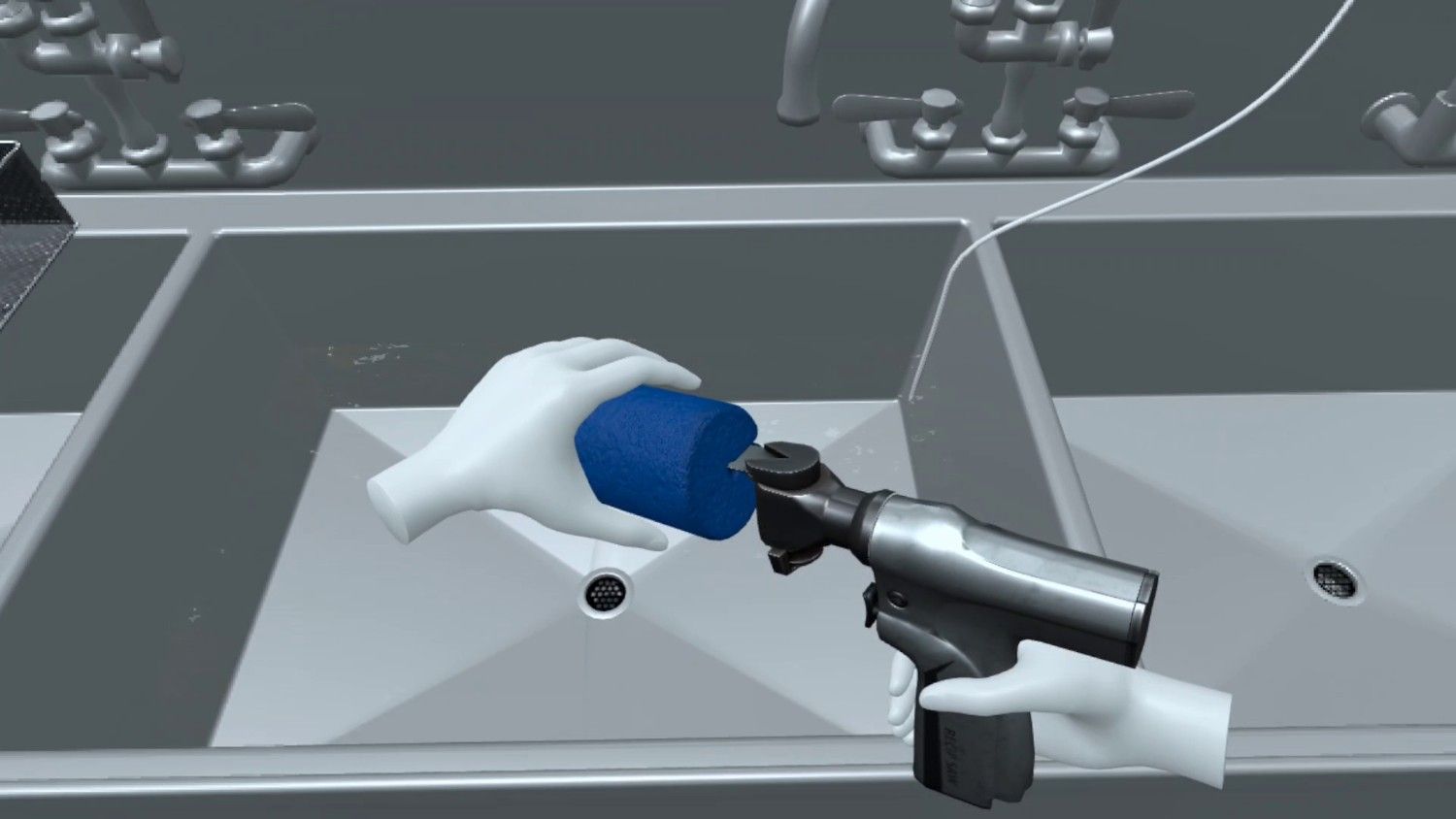
The skilled trades industry is experiencing strong demand, creating opportunities in careers such as electrical work, HVAC, plumbing, and construction. Growth in infrastructure, urban development, and an aging workforce continues to increase the need for skilled trade professionals.
According to the U.S. Bureau of Labor Statistics, employment of HVAC technicians is projected to grow 9% from 2023 to 2033, while electrician employment is projected to grow 11%, highlighting the growing demand for skilled workers.
Traditionally, becoming an electrician or skilled trade professional required vocational training, certification, apprenticeship experience, and years of on-the-job learning before working independently. While this pathway builds valuable experience, its length can discourage potential candidates.
Today, skilled trades training is evolving. Beyond traditional classroom instruction and apprenticeships, VR training and simulation-based learning allow learners to develop technical skills and gain hands-on experience simultaneously, helping them prepare for skilled trade careers more efficiently.
How is VR Revolutionizing Vocational Skill Training
Before looking at the benefits of VR, it is important to understand what this mode of training involves.
VR stands for virtual reality. It uses a digitally created virtual environment based on real world settings. These environments give learners experiences that are as close to reality as possible.
VR training usually includes:
- Realistic job site environments
- Virtual tools and equipment
- Task based simulations
- Head mounted device access
- Practice activities similar to real world work
Learners wear a head mounted device and step into this virtual world to perform tasks and activities as they would in a real world setup.
So how does virtual reality training support skill development, and what benefits does it provide? Let us explore.
i) Hands-on Experience:
Can you learn to fix a leaking pipe only through textual knowledge?
It is highly unlikely.
You may understand the basics. You may know how the process is supposed to work. But when it comes to actually performing the task, the experience can be very different.
Practical work often brings unexpected challenges. These challenges may not be fully explained in a textbook. It takes hands on practice to understand every aspect of a task, learn the finer details of the job, and gain confidence from real practice.
VR training provides these benefits in a simulated environment. By the time learners complete a course, they are better prepared to face possible challenges and equipped with the knowledge and experience needed to handle them.
ii) Safe and Controlled Environment:
Performing tasks in VR simulations means practicing in an absolutely safe and controlled space. Working with electrical parts, especially for a novice, can be risky. A minute wiring error may lead to catastrophic results. Chances of such catastrophes are eliminated in a virtually simulated environment allowing learners to learn and practice with ease and comfort.
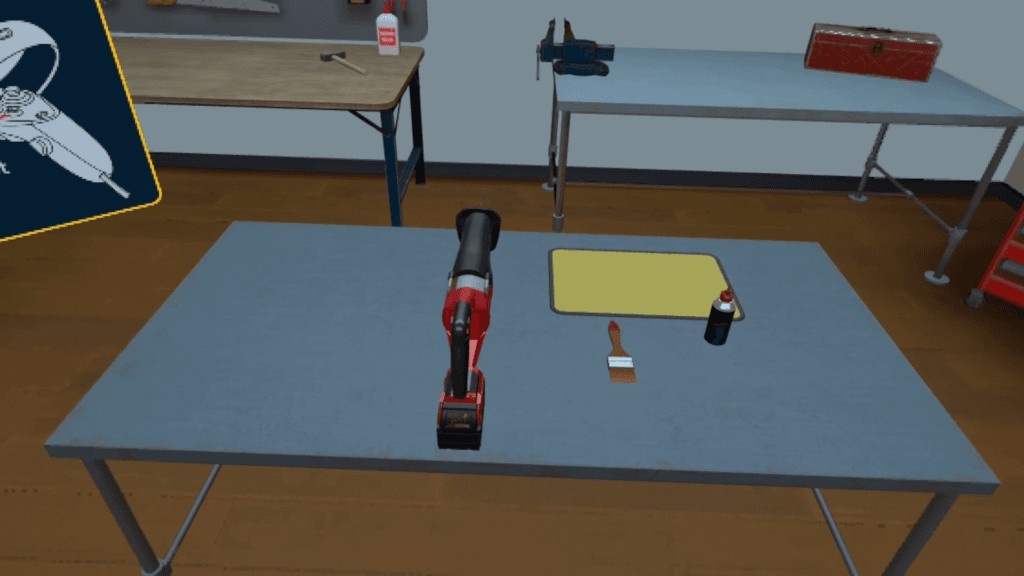
iii) Flexible and Convenient Access:
Learning a trade through virtual reality simulations gives learners the opportunity to take courses at their convenience.
This helps learners because they can:
- Train without being present at a fixed location
- Continue learning while managing other responsibilities
- Practice at their own pace
- Access training with space and a head mounted device
- Learn at times that work best for them
Time and location do not restrict the learning experience, giving learners more flexibility to complete their training.
iv) Cost Effective Training:
From both the learner’s and the trainer’s perspective, VR training is highly cost effective.
For trainers, VR reduces the need to maintain large and expensive training facilities. Expenses related to purchasing and maintaining physical equipment are also reduced. Since the equipment and tools used in the scenarios are virtual, there is no physical wear and tear and no need for frequent replacement.
For learners, costs such as transportation, equipment rental, and institution fees can be significant. VR based self paced courses give learners the opportunity to complete training in their chosen time and enter the field sooner, opening doors to earning opportunities.
v) Better Learning, Practice, and Retention:
VR technology continues to evolve, and with it, the opportunities for its application are also expanding.
Learning and practicing in VR is immersive and engaging. When skills are practiced in realistic scenarios, understanding improves and retention becomes stronger.
Higher retention gives learners an advantage when they need to repeat tasks in real world settings with confidence.
With certification courses in skilled trade professions, like the ones offered by ImmerseLearn, learners enter the job industry with hands on training and practical experience.
VR simulations help learners:
- Build confidence
- Repeat technical procedures
- Practice in realistic job scenarios
- Improve task understanding
- Prepare for real work situations
This ensures that each learner is better prepared and job ready on course completion.
Want to prepare for skilled trade certifications with hands on VR training that builds real job readiness?
Explore the HVAC Technician Program.