
Advanced Routine HEV Inspection


Credits : 0.4


About the Course:
This Advanced Routine HEV Inspection Part 3 microcredential trains technicians to inspect and maintain Internal Combustion Engine (ICE) components integrated within Hybrid Electric Vehicles (HEVs) to ensure efficient engine performance, reliability, and seamless hybrid system operation.
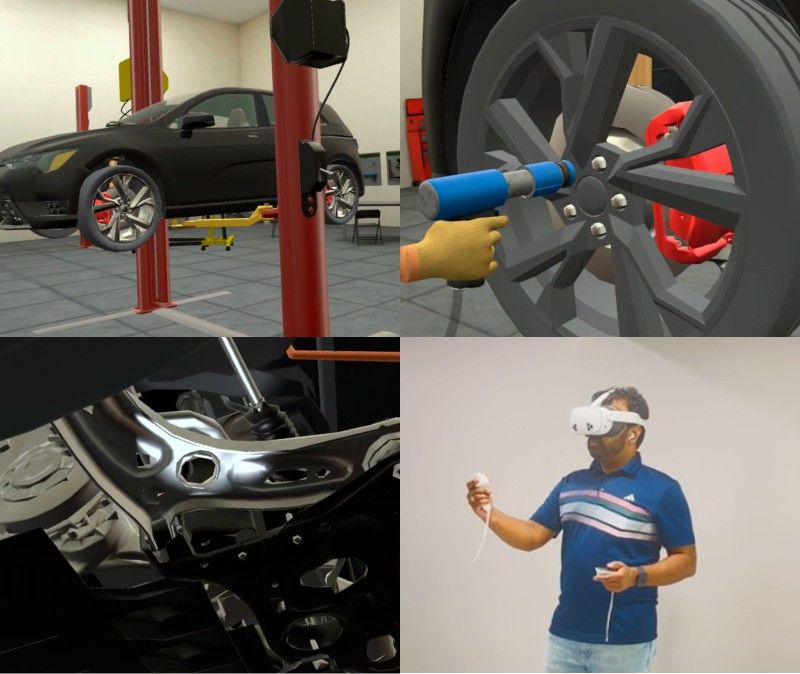
Learners will practice real-world inspection procedures including evaluating engine components, checking lubrication systems, inspecting fuel delivery systems, assessing cooling circuits, monitoring exhaust systems, and identifying signs of wear or mechanical issues. The course emphasizes preventive maintenance, safety compliance, and accurate diagnostics to support long-term vehicle efficiency and reduce performance failures.
These inspection procedures are commonly performed as part of routine HEV Maintenance Training and help technicians maintain optimal hybrid vehicle performance.
Learning Objectives:
- Identify key ICE components in hybrid electric vehicles that require routine inspection
- Perform inspections of engine systems including belts, hoses, seals, and moving components
- Assess engine oil condition, lubrication systems, and identify signs of contamination or leakage
- Inspect fuel delivery systems and components for wear, blockage, or performance issues
- Evaluate cooling system performance and inspect engine-related thermal management components
- Monitor exhaust system condition and identify common indicators of engine inefficiency
- Follow manufacturer-recommended inspection procedures and safety protocols
- Document inspection findings and recommend necessary maintenance actions
Course delivered through our LMS and accessible in both VR and web. Learn on the web anytime, or enjoy immersive VR training with your own Oculus VR headset.
Workforce Development
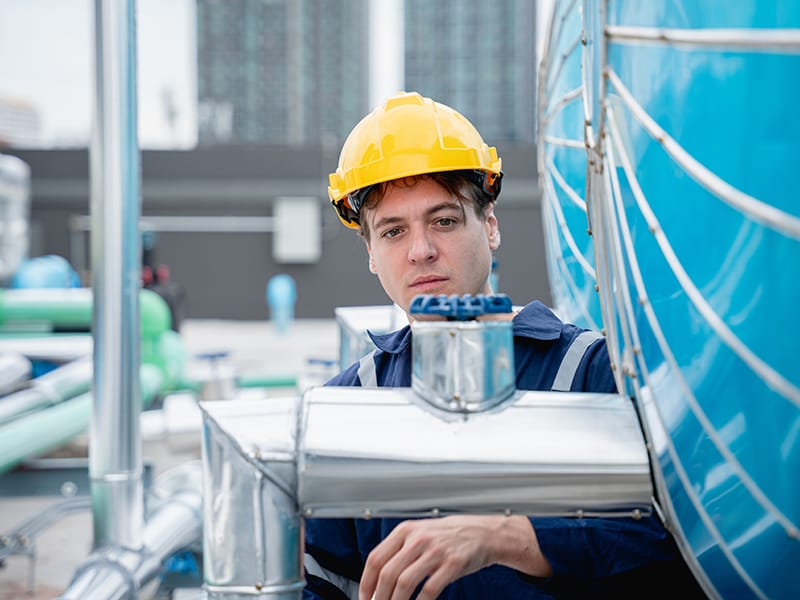
At ImmerseLearn, we equip hybrid vehicle technicians with the skills required to inspect and maintain ICE components within hybrid vehicles. This microcredential strengthens preventive maintenance capabilities, diagnostic accuracy, and mechanical inspection skills through immersive VR-based learning.
How this course strengthens workforce skills:
By completing this microcredential, technicians will gain the confidence and practical skills needed to perform routine inspections of ICE components in hybrid electric vehicles, identify potential mechanical issues early, and maintain the performance, reliability, and efficiency of hybrid vehicle powertrain systems.
Learners looking to expand their diagnostic and maintenance expertise can continue their education through our HEV Career Training Program.