
Comfort Control and Airflow Measurement Training


Credits : 0.2
About the Course:
The “Comfort Control and Airflow Measurement” microcredential offers a focused deep-dive into two critical areas of HVAC systems: temperature regulation and airflow optimization for HVAC technicians. Students will explore both mechanical and electronic thermostat technologies, including their components, advantages, limitations, and best installation practices. The course also introduces airflow measurement tools and procedures such as using manometers, balometers, velometers, anemometers, and psychrometric data to perform accurate system balancing.
Learning Objectives:
-
Understand the pros and cons of mechanical vs. electronic thermostats.
- Learn the role and importance of heat anticipators in mechanical thermostats.
- Identify key components and programming considerations for electronic thermostats.
- Apply best practices for thermostat placement and disposal of mercury models.
- Gain foundational knowledge of airflow properties and measurement tools.
- Perform basic balancing procedures using psychrometric principles.
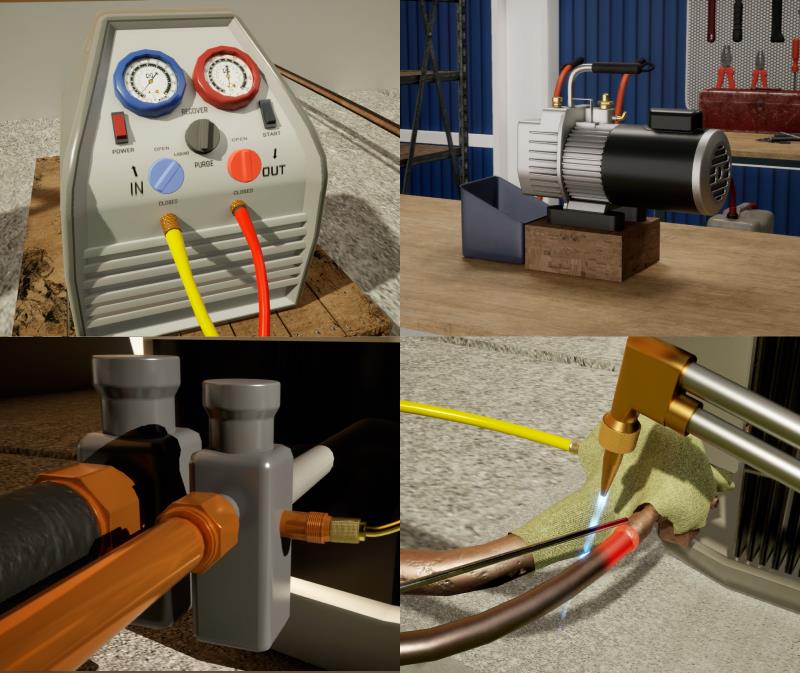
This Comfort Control and Airflow Measurement training is delivered through our LMS and is available as both web-based and immersive VR training.
Comfort Control and Airflow Measurement Training for HVAC Technicians
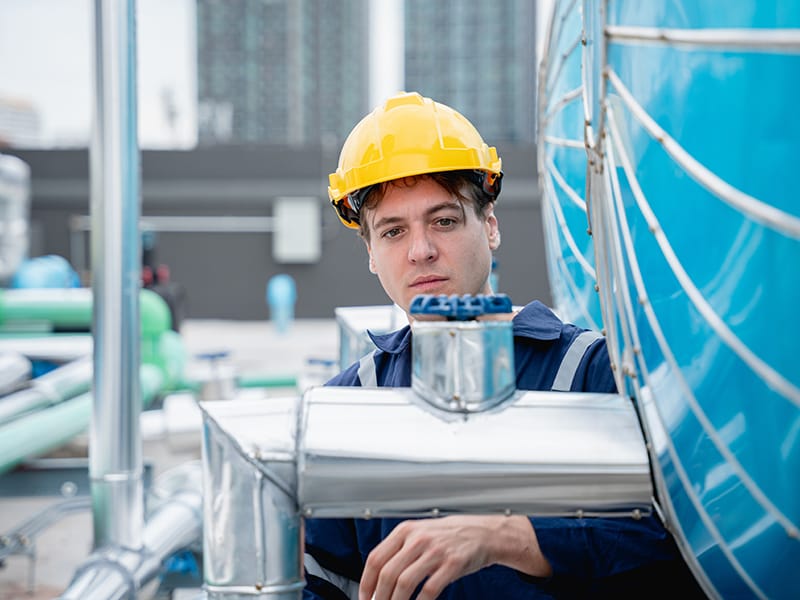
At ImmerseLearn, we believe in building a future-ready workforce. This microcredential equips technicians with specialized knowledge and hands-on skills that directly translate into workplace competency. By focusing on real-world applications, this course enhances technical precision, boosts job-readiness, and supports career advancement in HVAC systems management.
How this course strengthens workforce skills:
By completing this microcredential, learners will gain confidence in measuring and optimizing airflow and comfort control systems, making them more precise, efficient, and prepared for real-world HVAC performance evaluation.