
Compounding Regulations and Practice


Credits : 0.6

About the Course:
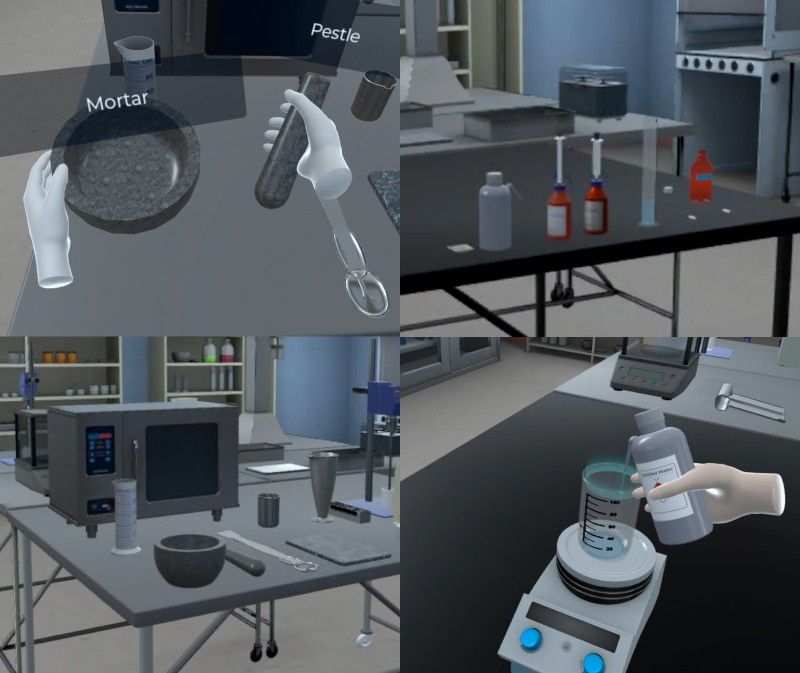
This microcredential, Compounding Regulations and Practice, introduces pharmacy technician students to the regulatory and procedural standards governing sterile and non-sterile compounding. Learners will explore the United States Pharmacopeia (USP) chapters <795>, <797>, and <800>, focusing on compliance, documentation, and quality assurance in compounding environments. These regulatory compounding concepts complement structured preparation offered through pharmacy technician training program pathways that support real-world pharmacy skill development. Through VR-based simulations, students will experience compounding area design, workflow organization, and tracking procedures that ensure product integrity and patient safety.
Learning Objectives:
- Explain the purpose of USP <795>, <797>, and <800> standards and their impact on compounding practice.
- Differentiate between sterile and non-sterile compounding requirements.
- Identify key compliance and documentation practices required for compounded preparations.
- Understand the environmental, personal, and procedural controls that maintain sterility and prevent contamination.
- Demonstrate familiarity with tracking, labeling, and recordkeeping for compounded products.
- Recognize technician responsibilities in maintaining quality and regulatory compliance during compounding.
Course delivered through our LMS and accessible in both VR and web. Learn on the web anytime, or enjoy immersive VR training with your own Oculus VR headset.
Workforce Development

At ImmerseLearn, we prepare pharmacy technician students to uphold the highest standards of safety and accuracy in pharmaceutical compounding. This microcredential emphasizes compliance with USP standards, precision in technique, and accountability in record management. These workforce-ready compounding compliance skills align closely with immersive online pharmacy technician program pathways preparing students for professional pharmacy practice.
By completing this microcredential, pharmacy technician students will gain the knowledge and regulatory awareness needed to perform compliant sterile and non-sterile compounding, ensuring product safety, accuracy, and accountability.