
Diagnosing Bad Crankshaft Position Sensor


Credits : 0.5


About the Course:
This Diagnosing Bad Crankshaft Position Sensor microcredential trains technicians to identify, diagnose, and troubleshoot faults related to the crankshaft position sensor (CKP) within hybrid electric vehicle powertrain systems.
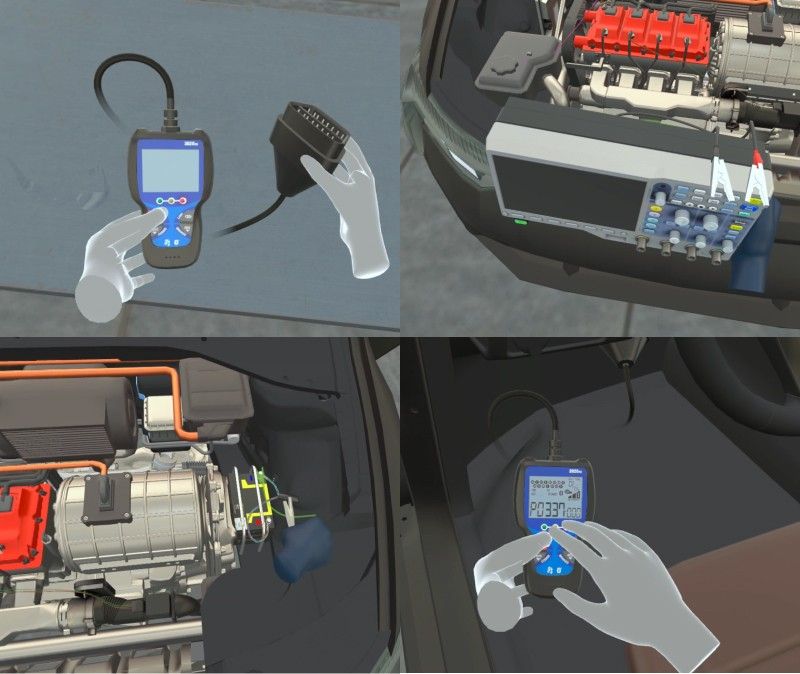
Learners will practice real-world diagnostic procedures including scanning for crankshaft sensor-related fault codes, analyzing engine speed and timing data, inspecting sensor wiring and connectors, and testing sensor signal outputs using professional diagnostic tools. The course emphasizes safe diagnostic practices, proper use of scan tools and multimeters, and systematic troubleshooting techniques to accurately detect crankshaft position sensor failures that affect engine timing, ignition control, and overall vehicle performance in hybrid electric vehicles.
To deepen your expertise in hybrid vehicle diagnostics and powertrain systems, explore our Hybrid Electric Vehicle Technician Course.
Learning Objectives:
-
Identify common symptoms of a failing crankshaft position sensor such as engine stalling, no-start conditions, rough engine operation, or illuminated warning lights
-
Safely prepare the hybrid vehicle for diagnostic procedures by following proper electrical safety and vehicle shutdown protocols
-
Use diagnostic scan tools to identify crankshaft position sensor fault codes and related engine speed or timing issues
-
Test crankshaft position sensor signals using a multimeter or oscilloscope
-
Inspect sensor wiring harnesses, connectors, and mounting locations for damage, wear, or contamination
-
Identify malfunctioning crankshaft position sensors affecting ignition timing and engine synchronization
-
Interpret diagnostic data to determine the root cause of sensor-related engine performance issues
-
Verify proper engine operation and sensor performance after repairs or sensor replacement
Course delivered through our LMS and accessible in both VR and web. Learn on the web anytime, or enjoy immersive VR training with your own Oculus VR headset.
Workforce Development

At ImmerseLearn, we equip hybrid and electric vehicle technicians with the diagnostic skills required to service modern engine management and electronic control systems. This microcredential strengthens sensor diagnostics, engine speed monitoring, and electrical troubleshooting skills through immersive VR-based learning.
By completing this microcredential, technicians will gain the confidence and technical expertise needed to diagnose crankshaft position sensor failures, resolve engine timing and ignition issues, and restore reliable engine performance in hybrid electric vehicles. To further develop hybrid system diagnostics skills, explore our Hybrid EV Course.