
High-Voltage (HV) Connectors in Electric Vehicles


Credits : -

About the Course:
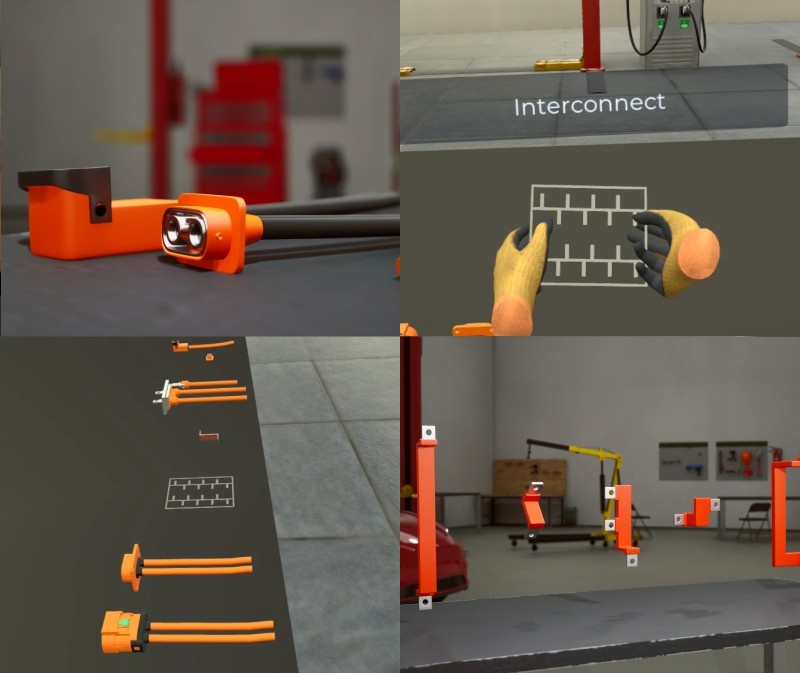
This microcredential introduces learners to the critical role of high-voltage (HV) connectors in electric vehicle (EV) battery systems. Learners will explore HV connector design, materials, types, and performance considerations essential for energy transfer, thermal regulation, and safety. Through hands-on, immersive VR simulations and interactive learning modules, this course prepares learners to handle, install, and safely disconnect HV connectors in EV battery packs and power electronics systems. Learners can also explore advanced electric mobility skills with our comprehensive Electric Vehicle Course.
Learning Objectives:
- Understand the role and importance of HV connectors in EV battery and power systems.
- Identify key structural and conductive materials used in HV connector design.
- Compare types of HV connectors including busbar, cable, quick-disconnect, and safety interlock designs.
- Analyze thermal and electrical performance factors including heat dissipation, contact resistance, and insulation integrity.
- Apply safety protocols for HV connector handling, testing, and removal using appropriate tools and procedures, building real-world expertise expected from an EV Training program.
- Recognize industry standards and compliance requirements for HV connector systems.
Course delivered through our LMS and accessible in both VR and web. Learn on the web anytime, or enjoy immersive VR training with your own Oculus VR headset.
Workforce Development
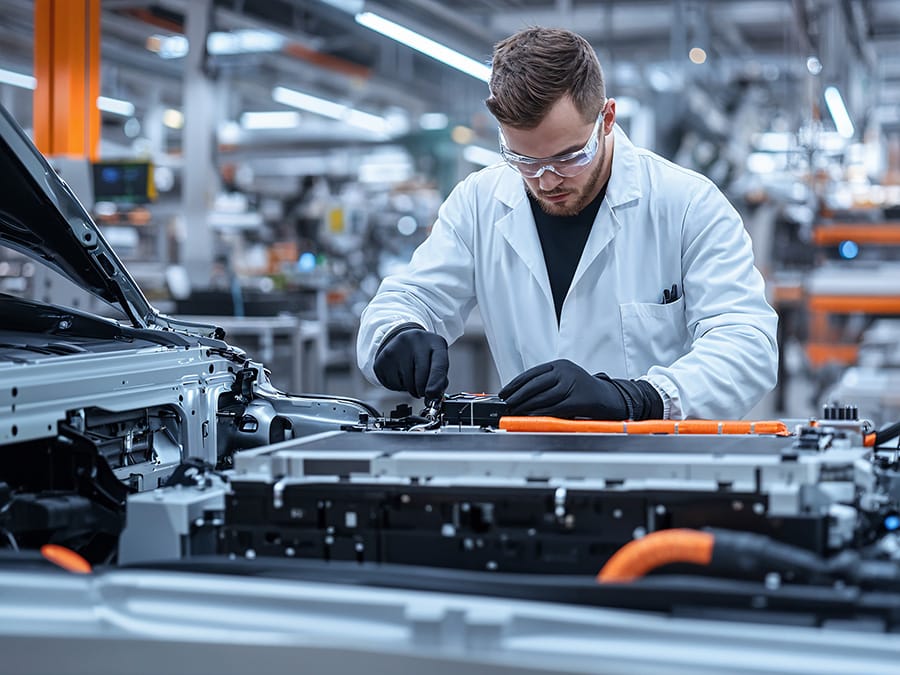
As the EV industry grows, the need for skilled professionals who can safely and effectively work with high-voltage systems is greater than ever. At ImmerseLearn, this course equips learners with the technical knowledge and hands-on experience required to meet the demands of modern electric vehicle manufacturing and service environments.
By completing this microcredential, learners will develop confidence and competence in working with high-voltage connectors—making them an essential asset in EV manufacturing, diagnostics, and service environments.