
Installing Water Hammer Protection


Credits : -
About the Course:
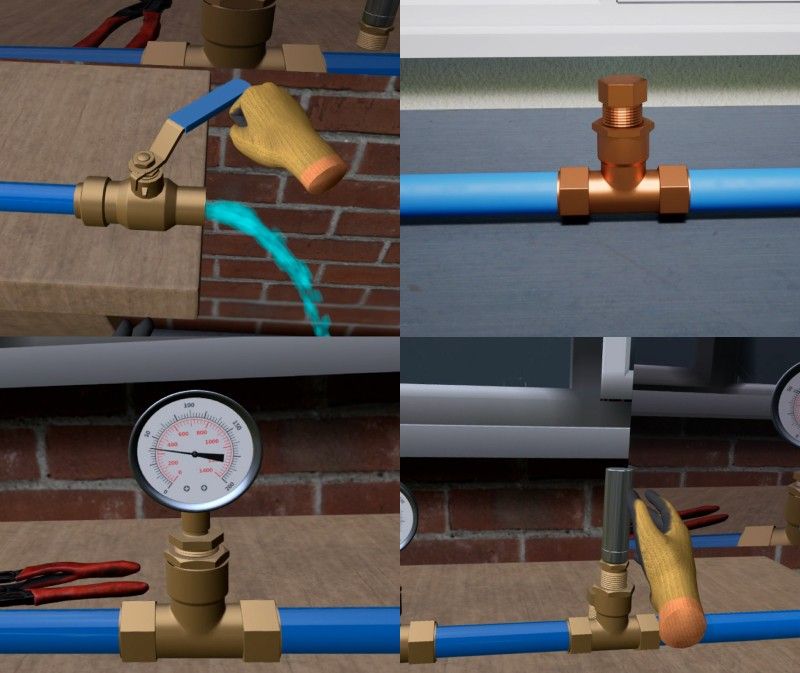
This Installing Water Hammer Protection microcredential equips students with the knowledge and skills required to understand, identify, and install effective water hammer protection in plumbing systems as part of our comprehensive Plumbing Training pathway. Water hammer, a common issue in both residential and commercial installations, can damage pipes, valves, and appliances. Through hands-on instruction and practical scenarios, students will learn how to select the right devices and install them according to plumbing codes and manufacturer specifications.
Learning Objectives:
- Understand the causes and effects of water hammer in plumbing systems.
- Identify appropriate water hammer arrestors and air chambers based on application and fixture type.
- Learn correct placement and orientation of devices for maximum protection.
- Follow manufacturer guidelines and plumbing code requirements during installation.
- Test systems post-installation to verify protection effectiveness and pressure stability.
Course delivered through our LMS and accessible in both VR and web. Learn on the web anytime, or enjoy immersive VR training with your own Oculus VR headset.
Workforce Development

At ImmerseLearn, our microcredentials help students develop the real-world skills required to meet modern plumbing challenges. This course prepares future technicians to reduce noise, protect fixtures, and extend the life of piping systems through proper water hammer prevention techniques.
By completing this microcredential, students will be able to confidently install water hammer protection in a variety of plumbing systems, ensuring quiet operation and long-term durability, while building foundational skills in our Plumbing Technician Program.