
Key Components of Hybrid Systems Training


Credits : 0.2


About the Course:
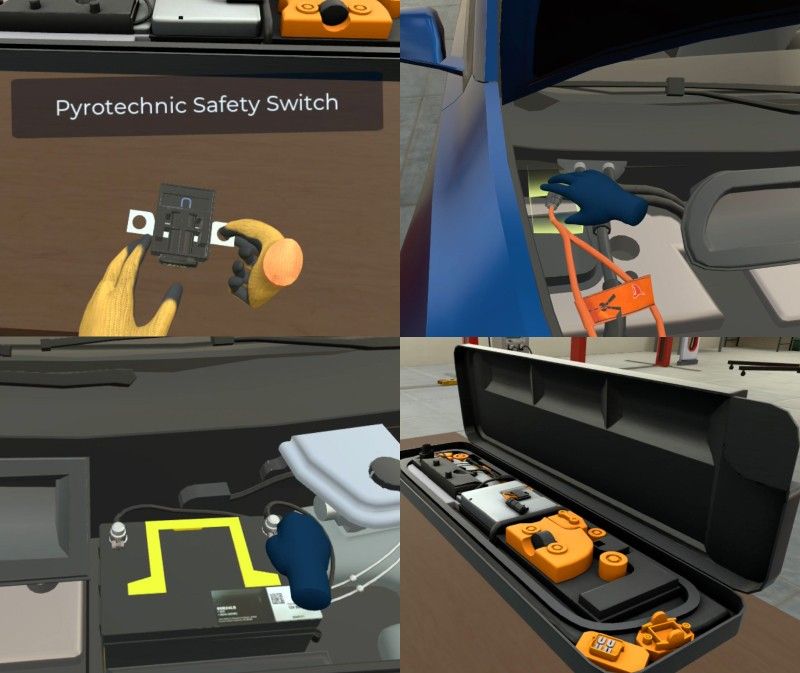
This Key Components of Hybrid Systems Training microcredential offers an in-depth, immersive overview of the critical components of hybrid electric vehicles (HEVs). Through VR and interactive simulations, learners will explore the function, interaction, and maintenance of systems such as electric motors, battery packs, inverters, and hybrid control modules. The course emphasizes the integration of hybrid systems and the roles each component plays in optimizing vehicle performance, energy efficiency, and safety.
Learning Objectives:
- Identify and describe the function of each core hybrid vehicle system component.
- Understand how electric and combustion power sources operate in series or parallel configurations.
- Analyze the interaction between the power control unit, inverter, and battery system.
- Recognize the importance of thermal management in hybrid system operation.
- Trace energy flow from charging to propulsion through hybrid system components.
Course delivered through our LMS and accessible in both VR and web. Learn on the web anytime, or enjoy immersive VR training with your own Oculus VR headset.
Workforce Development

At ImmerseLearn, we prepare technicians to work confidently with advanced hybrid vehicle systems. This microcredential course provides foundational knowledge of each major hybrid drivetrain component and how they interact during real-world service and maintenance.
By completing this training, learners will be able to recognize, describe, and trace the function of all major hybrid vehicle components in a real-world service context, following safety-conscious practices for HEV maintenance and repair. Take your HEV skills further—join our HEV Technician Program today!