Manual Blood Pressure Measurement Training


Credits : 0.3
About the Course:
Manual Blood Pressure Measurement is a foundational clinical skill for Nursing Assistants working in hospitals, long-term care facilities, outpatient clinics, and other healthcare environments. In this microcredential, learners are introduced to the purpose and clinical importance of measuring blood pressure manually, including its role in evaluating cardiovascular health, monitoring patient condition, and identifying abnormalities such as hypertension or hypotension. This skill also supports learners in online nursing assistant training who are preparing for patient care and vital signs assessment roles.
Through immersive VR simulations, learners gain hands-on experience performing manual blood pressure measurement while following proper patient interaction procedures, patient identification protocols, hand hygiene practices, glove application, equipment preparation, cuff placement techniques, and accurate auscultation procedures using a sphygmomanometer and stethoscope. The course emphasizes correct positioning, patient comfort, proper cuff application, and maintaining professionalism throughout the procedure.
Learners will also practice locating the brachial artery, using a stethoscope correctly, inflating and deflating the cuff manually, identifying Korotkoff sounds, recording systolic and diastolic readings accurately, and completing the procedure according to established healthcare protocols. The course highlights professionalism, infection prevention, patient communication, and adherence to clinical standards essential in healthcare settings.
Learning Objectives:
- Identify the purpose and importance of manual blood pressure measurement in patient assessment.
- Understand patient identification procedures, hand hygiene practices, glove application, and patient preparation requirements.
- Demonstrate proper patient positioning and correct cuff placement techniques for accurate readings.
- Perform manual blood pressure measurement using a sphygmomanometer, stethoscope, and inflation pump correctly.
- Apply infection control and patient safety procedures throughout the procedure.
- Accurately identify systolic and diastolic pressure readings and document results according to healthcare guidelines.
Learn where vital-sign skills fit into the broader Nursing Assistant training pathway, from practical learning to certification preparation.
This Manual Blood Pressure Measurement training is delivered through our LMS and is available as both web-based and immersive VR training.
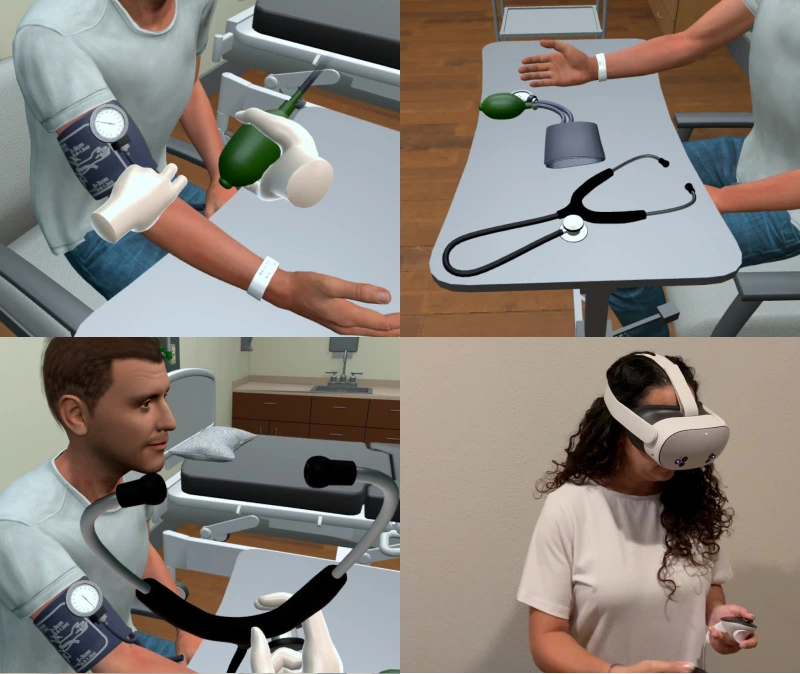
Manual Blood Pressure Measurement Training for Nursing Assistants
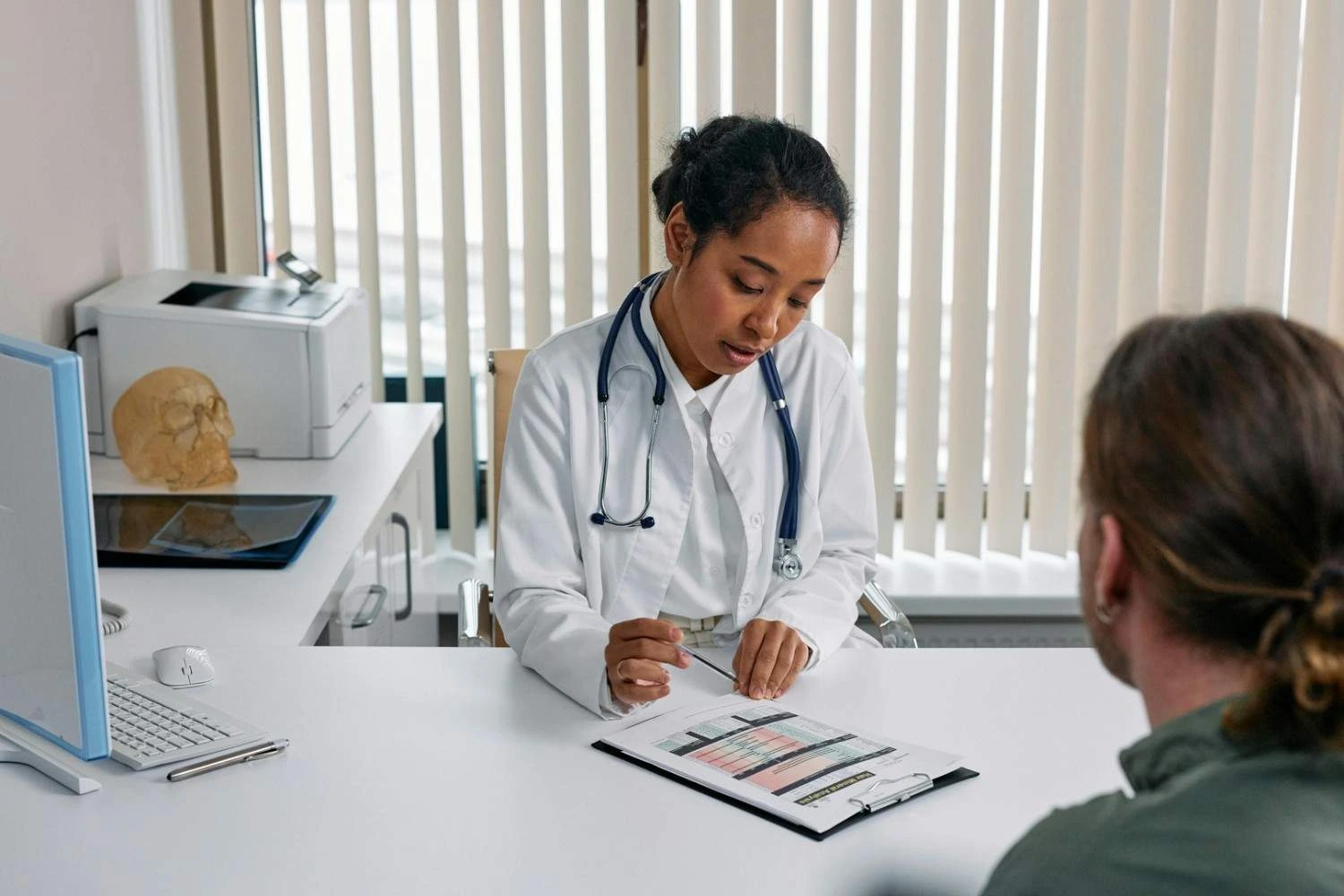
At ImmerseLearn, we prepare healthcare learners with essential patient care and clinical assessment skills required in modern healthcare environments. This microcredential develops competency in patient identification, manual blood pressure monitoring, equipment handling, auscultation techniques, infection prevention, accurate documentation, and patient communication skills necessary for delivering safe and effective healthcare support.
By completing this microcredential, learners will gain practical knowledge and hands-on experience in performing manual blood pressure measurement. Learners will develop essential competencies in patient identification, equipment preparation, cuff application, auscultation techniques, accurate blood pressure monitoring, documentation procedures, infection prevention, and patient communication skills necessary to perform routine clinical assessments safely and effectively in Nursing Assistant and allied health settings.