
PHEV System Design and Component Fundamentals


Credits : 0.4


About the Course:
This PHEV System Design and Component Fundamentals microcredential trains technicians to understand the architecture, design principles, and core components of Plug-in Hybrid Electric Vehicles (PHEVs) to support effective maintenance, diagnostics, and system-level troubleshooting.
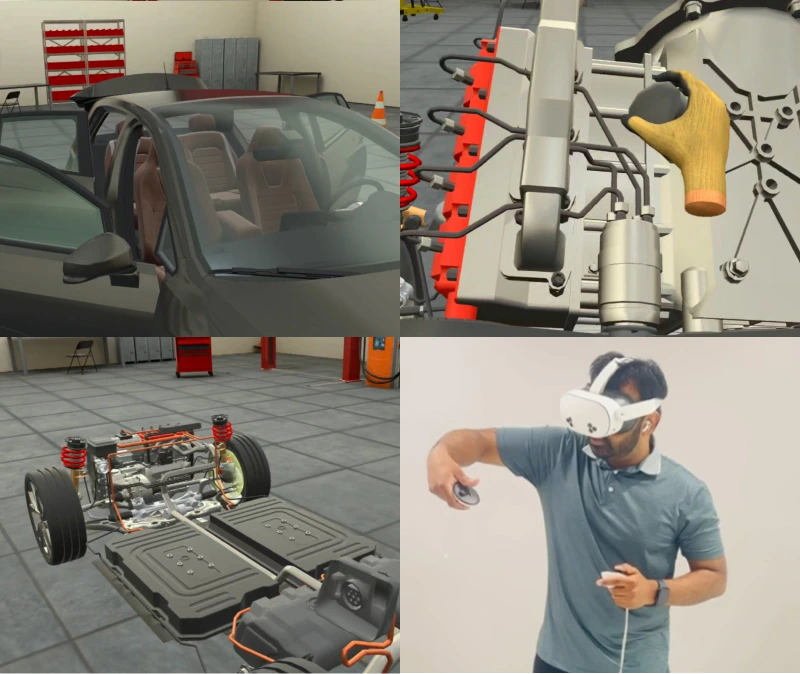
Learners will practice real-world component identification and system analysis including evaluating battery packs, electric motors, internal combustion engine integration, charging systems, power electronics, drivetrain configurations, and energy management systems. The course emphasizes system understanding, safety compliance, and component interaction to ensure efficient vehicle operation and service readiness.
Learning Objectives:
- Identify the major components used in Plug-in Hybrid Electric Vehicles (PHEVs)
- Understand the design architecture of combined electric and internal combustion powertrains
- Analyze high-voltage battery systems and charging infrastructure components
- Examine electric motor assemblies and power electronics used in PHEV systems
- Understand the integration of internal combustion engines within hybrid vehicle systems
- Evaluate drivetrain layouts and energy flow between electrical and mechanical systems
- Follow safety procedures when working with high-voltage and hybrid vehicle components
- Document system configurations and component functions for maintenance and diagnostics
After mastering PHEV system architecture and component fundamentals, technicians can advance their skills through advanced hybrid vehicle diagnostics training focused on real-world repair and troubleshooting procedures.
Course delivered through our LMS and accessible in both VR and web. Learn on the web anytime, or enjoy immersive VR training with your own Oculus VR headset.
Workforce Development

At ImmerseLearn, we equip hybrid vehicle technicians with the knowledge required to understand the design and operational structure of Plug-in Hybrid Electric Vehicles. This microcredential strengthens technical understanding of hybrid architecture, component interaction, and system diagnostics through immersive VR-based learning.
How this course strengthens workforce skills:
By completing this microcredential, technicians will gain the confidence and practical knowledge needed to understand the design and components of Plug-in Hybrid Electric Vehicles, identify key system elements, and support maintenance, diagnostics, and efficient operation of advanced hybrid vehicle technologies.
Technicians looking to further expand their diagnostic and repair capabilities can continue into our Hybrid Electric Vehicle Technician Program for advanced hands-on training, troubleshooting, and career preparation.