
Replacing Oil Filter Training


Credits : 0.3
About the Course:
This Replacing Oil Filter microcredential trains HVAC technicians to safely inspect, remove, and replace oil filters in residential and commercial oil furnace systems. Learners will practice real-world procedures including system shutdown, oil line isolation, filter removal, and proper installation of replacement filters. The course emphasizes contamination control, leak prevention, and post-replacement system checks to ensure efficient fuel flow and optimal furnace performance.
Learning Objectives:
- Identify signs of a clogged or restricted oil filter, such as poor burner performance or delayed ignition
- Safely shut down and isolate the oil furnace before servicing
- Remove the oil filter canister and dispose of used filters properly
- Inspect filter components and housing for debris or damage
- Install and secure a new oil filter with correct sealing techniques
- Bleed air from the oil line after replacement
- Verify proper fuel flow and burner operation post-installation
This Replacing Oil Filter training is delivered through our LMS and is available as both web-based and immersive VR training.
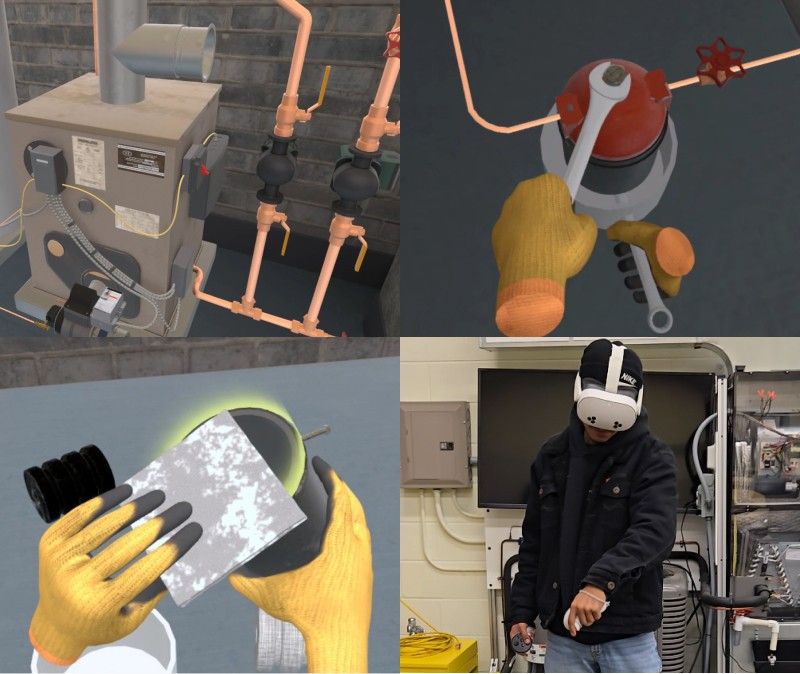
Replacing Oil Filter Training for HVAC Technicians
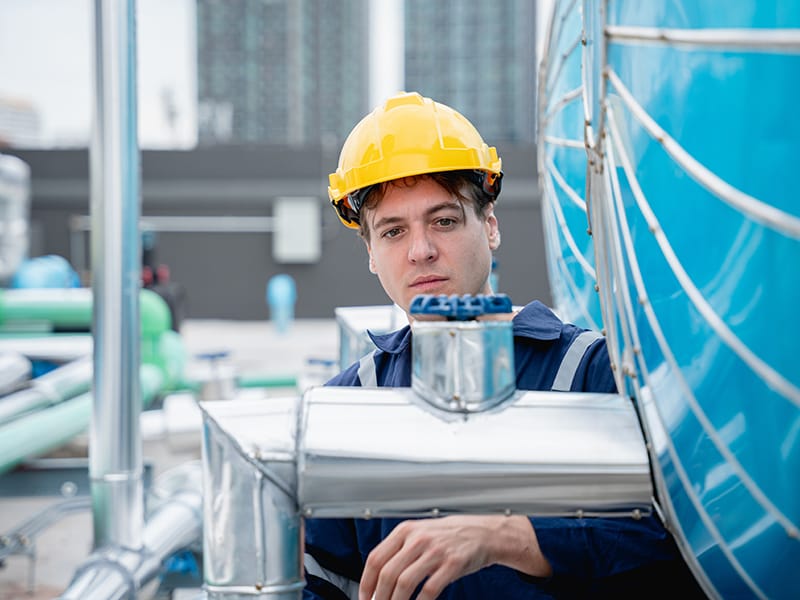
At ImmerseLearn, we equip HVAC technicians with hands-on, job-ready skills for maintaining oil heating systems. This microcredential strengthens maintenance accuracy, safety awareness, and system reliability through immersive VR practice.
How this course strengthens workforce skills:
By completing this microcredential, HVAC technicians will build the confidence and technical skills needed to replace oil filters safely, maintain proper fuel flow, and ensure reliable oil furnace operation in real-world service environments.