

How to Become a Certified HVAC Technician: Step-by-Step Guide
Introduction:
Becoming a Certified HVAC Technician is a fast, practical way to enter a stable, high-demand skilled trade career. With the right technical training and industry certification, many learners can become job-ready in as little as 4–6 months through accelerated, hands-on programs, making it an accessible and efficient path into the workforce.
According to the U.S. Bureau of Labor Statistics, the heating, ventilation, and air conditioning industry is projected to grow 8% through 2033, with about 42,500 job openings each year. This growth is driven by a skilled labor shortage and increasing demand for qualified technicians in residential and commercial systems.
For many of us, this field offers a practical alternative to a four year degree, a path to career stability, or advancement in the trade. The Certified HVAC Technician pathway provides a structured, industry recognized route to achieve these goals.
In this guide, we explain how to become a Certified HVAC Technician step by step, including training, certification, job readiness, requirements, timelines, and long term career growth in the HVAC industry.
What Is a Certified HVAC Technician?
A Certified HVAC Technician is a trained professional who works on heating and cooling equipment and holds recognized industry certifications that validate technical skills, safety knowledge, and compliance. This confirms the technician is qualified to handle modern climate control equipment safely and efficiently.
HVAC Meaning Explained
HVAC stands for Heating, Ventilation, and Air Conditioning. These setups regulate temperature, airflow, and indoor air quality in homes, offices, hospitals, and industrial facilities.
As Certified HVAC Technicians, we work with electrical components, refrigerants, ductwork, thermostats, and smart climate control technology to ensure safe, efficient, and compliant operation.
What Does “Certified” Mean?
Being a Certified HVAC Technician means earning industry-recognized certifications that validate technical expertise, safety awareness, and compliance knowledge.
The EPA 608 (Universal) certification is required in the United States for handling refrigerants, as working without it can lead to violations.
In addition, certifications like North American Technician Excellence (NATE) and safety training from Occupational Safety and Health Administration (OSHA 10-hour) validate real-world skills and workplace readiness.
Certification improves credibility and career growth, opening higher earning potential, advanced roles, and access to complex climate control systems compared to uncertified entry-level positions.
In structured training programs like ImmerseLearn, learners may also receive a Certificate of Completion upon finishing training and assessments, along with preparation for industry-recognized certifications.
Certified HVAC Technician Requirements
To become a Certified HVAC Technician, we must meet basic education, physical, and professional requirements for training and fieldwork in this technical trade.
- High school diploma or GED, needed for most HVAC training programs and apprenticeships
- Age 18 or older, mandatory for certification programs and entry-level roles
- Basic math and physics knowledge for measurements, calculations, and core technical principles
- Good physical fitness for lifting equipment, climbing, confined spaces, and outdoor work
- Background check, required by some employers or certain industry roles
- Strong interest in technical work and problem solving for long-term success as a Certified HVAC Technician
Why HVAC Certification Matters
Becoming a qualified HVAC professional is important for career eligibility, growth, and compliance across the heating and cooling industry.
i) Career Growth and Earning Potential:
With the right certification, we can access advanced roles and long-term career development as a skilled technician in the HVAC field, often leading to higher earning potential in the skilled trades sector.
ii) Job Opportunities in the HVAC Industry:
Employers in the heating, ventilation, and air conditioning field prefer trained professionals. Proper credentials improve eligibility and open doors to residential, commercial, and industrial roles.
iii) Legal and Licensing Requirements:
In certain regions, formal credentials are required for regulated HVAC work. Meeting these requirements ensures compliance with industry standards and avoids legal issues.
iv) Professional Credibility and Trust:
Industry-recognized certification validates technical skills, safety awareness, and expertise in HVAC systems, strengthening employer trust, credibility, and long-term career stability.

Why Become a Certified HVAC Technician in 2026?
2026 is a strong time to enter the heating and cooling industry due to high demand and a shortage of skilled certified technicians across residential and commercial systems.
i) Job Market and Employment Outlook:
The U.S. Bureau of Labor Statistics projects steady growth in heating, ventilation, and air conditioning jobs through 2033, with thousands of annual openings driven by retirements, skill shortages, and ongoing system demand. The U.S. Department of Energy also highlights rising demand for energy-efficient systems and smart building technologies, expanding opportunities for certified technicians in this field.
ii) No Four-Year Degree Required:
Becoming a Certified HVAC Technician does not require a four year degree. Most HVAC training programs focus on hands-on skills and can be completed in a few months to a couple of years.
iii) Automation-Proof Career:
This trade involves real-world installation, maintenance, diagnostics, and repair that cannot be fully automated. Certified technicians are required on-site for troubleshooting and system repairs in heating and cooling systems.
Growing adoption of energy efficient systems and smart HVAC technology is further increasing demand.
iv) Entry Paths Into the HVAC Industry:
Entry into HVAC typically involves training programs or apprenticeships combining classroom learning with hands-on experience. Time to become job ready depends on the chosen path and certification structure.
.jpg)
Step-by-Step Guide to Becoming a Certified HVAC Technician
To become a Certified HVAC Technician, we focus on three core steps: skill development, certification, and employment. This pathway helps us move efficiently toward our first HVAC role. This section outlines the complete journey from technical learning to job readiness.
For a more detailed breakdown, we can also explore a complete HVAC training guide.
1) Complete High School or Equivalent:
Every HVAC training program and apprenticeship requires a high school diploma or GED. If we are still studying, focusing on math, physics, and vocational or shop classes helps build a strong foundation.
Advanced mathematics like calculus is not required. Basic numerical skills and problem-solving are sufficient, and a GED is accepted across all entry pathways in this field.
2) Enroll in an HVAC Training Program:
This is a key step in becoming a Certified HVAC Technician, as structured learning builds technical skills and certification readiness.
- Community college or vocational programs: Structured and accredited, but take longer (6 months–2 years)
- Trade schools: Faster and more hands-on, though quality may vary
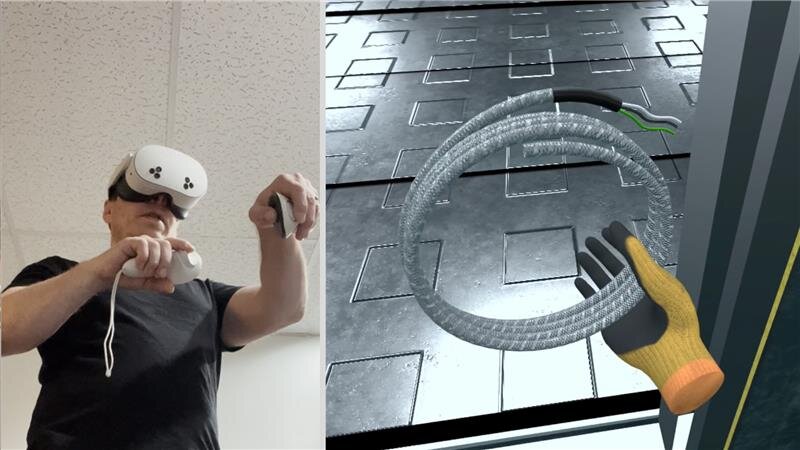
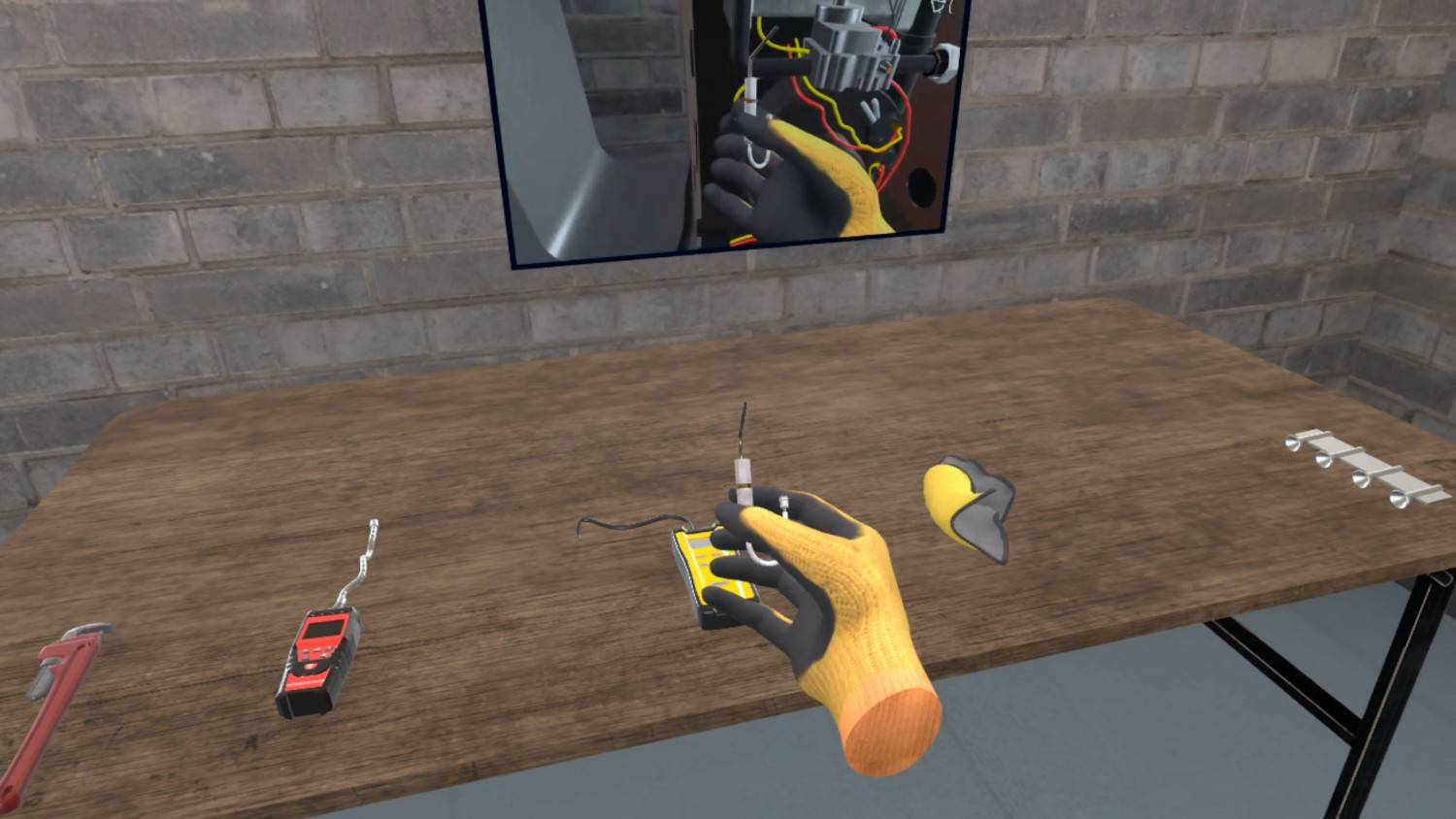
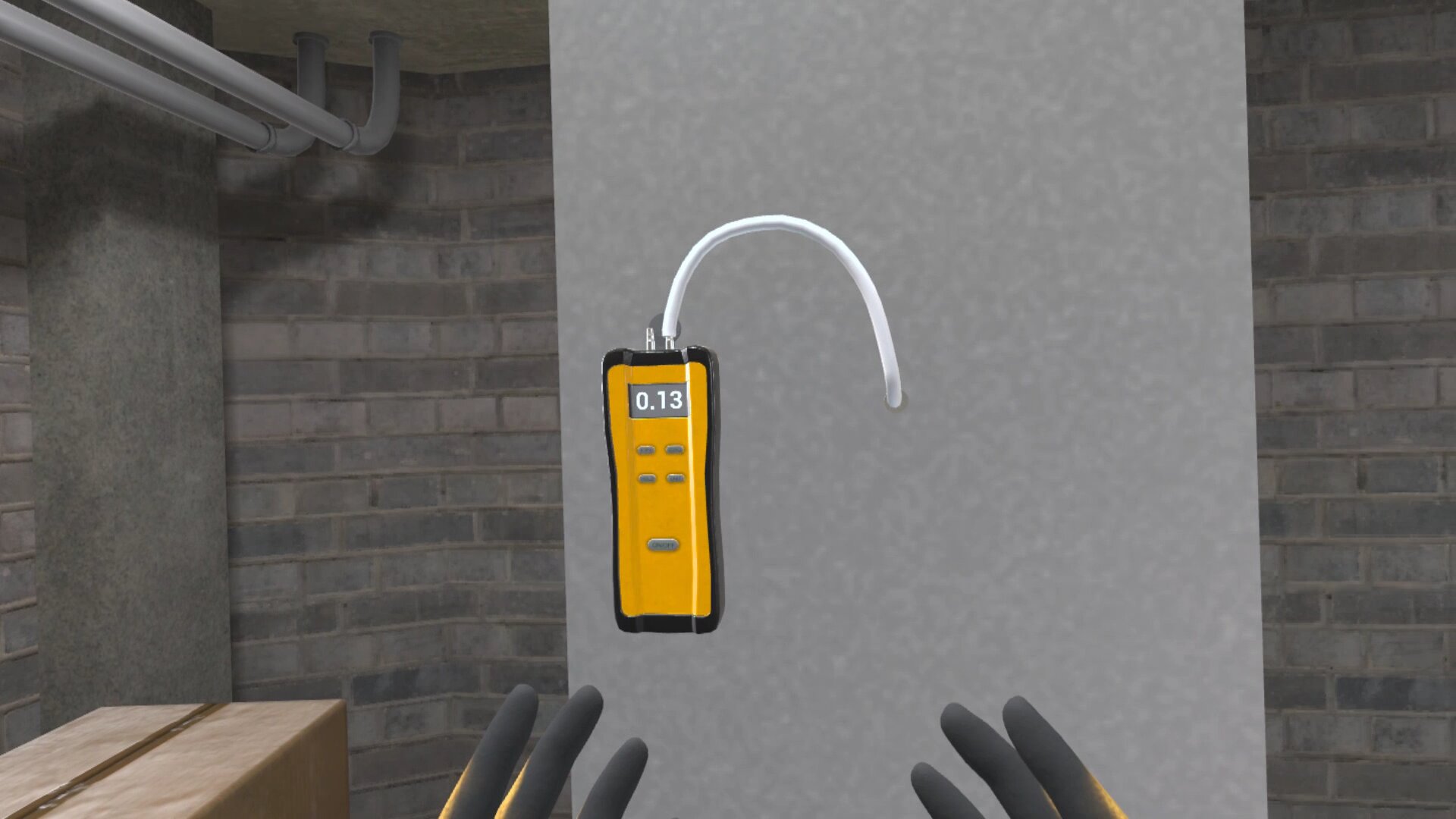
- Online or hybrid programs: Advanced options using VR simulation for flexible remote learning
The program should include certification preparation, practical hands-on learning or simulation-based practice, job placement support, and proper accreditation.
For structured learning, we can explore a hands-on HVAC training program for certification and job readiness.
4) Get Hands-On Experience:
Training helps us become certified, but real world experience is what makes us job ready as a Certified HVAC Technician.
An apprenticeship (UA or employer-sponsored) typically lasts 3–5 years, allowing learners to earn while gaining practical field experience. Some programs also offer accelerated externships for faster skill development.
The goal is to build hands-on confidence with HVAC equipment so we are prepared for certification exams with practical understanding, not just theory.
5) Earn Required HVAC Certifications:
To work in this field, we must obtain industry-recognized credentials based on job requirements. The EPA Section 608 (Universal) certification is often required for refrigerant handling, while certifications like NATE are highly valued by employers in the HVAC industry.
Most training programs combine certification preparation with hands-on skill development, helping learners build both technical expertise and workplace readiness.
6) State Licensing Requirements (If Applicable):
It is important to understand that certification and licensing are not the same.
- Certifications are issued by industry organizations
- Licenses are issued by state governments
Licensing rules vary by location and sometimes by city or job type. We should always check the official state licensing board before choosing a program.
7) Apply for Entry-Level Jobs:
Once certified, we can apply for entry-level HVAC roles such as installer helper, maintenance technician, residential service technician, or light commercial technician.
On our resume, we should highlight key certifications first, including EPA Section 608 (Universal), NATE, OSHA 10-hour training, and any additional certifications earned during training.
We can find HVAC job opportunities through trade associations, union halls, contractor networks, employer partnerships, and job boards.
Real Job Transition:
Christopher Renard Morris completed an HVAC Associate Program and secured a role as an Appliance and Refrigeration Repair Technician within 30 days by applying real world diagnostic skills from day one.
“Within 30 days of completing training, I secured a role and began applying my skills in real service situations.”
~ Christopher Renard Morris, HVAC Associate Graduate, ImmerseLearn
.jpg)
A Day in the Life of an HVAC Technician
A typical day for a Certified HVAC Technician starts with reviewing service calls and preparing tools like multimeters, pressure gauges, and safety equipment before visiting job sites. We usually begin at residential or commercial locations diagnosing issues such as no cooling, poor airflow, or system failure.
Most of the working hours involve hands-on inspection and repair of heating and cooling systems. We test electrical components, check refrigerant levels, measure airflow, and replace faulty parts to restore performance. During peak seasons, emergency breakdowns are common and require fast troubleshooting.
Work takes place across varied environments including homes, rooftops, basements, and commercial buildings using specialized diagnostic tools and refrigerant handling equipment.
At the end of the day, we complete job reports, document repairs, and restock tools for the next day’s HVAC service calls.
Complete HVAC Certification Guide
Breaking into the heating and cooling industry or growing as a Certified HVAC Technician depends on earning the right credentials in the correct sequence. Some are legally required, others improve job eligibility, and some help us specialize for higher earning potential.
1) EPA 608 Certification (Universal):
If we handle refrigerants, the EPA 608 Certification (Universal) is required under U.S. regulations to ensure proper environmental and safety compliance in HVAC systems.
It includes four categories:
- Type I: Small appliances
- Type II: High-pressure systems (most common)
- Type III: Low-pressure systems
- Universal: Covers all categories and is highly recommended
The Universal certification allows technicians to work across all system types, making it the most valuable option. It typically costs $20–$30 and does not expire.
2) NATE certification:
North American Technician Excellence (NATE) is a widely recognized certification that validates real-world technical skills and improves job eligibility in the HVAC field.
For trained technicians, NATE helps improve career opportunities in residential, commercial, and industrial sectors. It includes specialty exams and requires renewal every two years through continuing education.
4) OSHA 10-Hour Safety Certification:
HVAC work involves electrical systems, refrigerants, confined spaces, and rooftop installations, making safety training essential for every Certified HVAC Technician. The Occupational Safety and Health Administration (OSHA) Outreach Training Program offers 10-hour and 30-hour courses covering electrical safety, fall protection, PPE usage, and hazard communication.
Many employers require the 10-hour OSHA safety course before fieldwork begins, while the 30-hour program is preferred for supervisory roles and advanced responsibilities.
5) Specialty certifications:
These certifications are not mandatory to begin a career, but they help us progress into higher-paying and specialized roles in the HVAC field:
- R-410A: Modern refrigerant system handling
- BACnet: Building automation and smart HVAC control systems
- HVAC Electrical Systems: Wiring, diagnostics, and control panel troubleshooting
These credentials support career growth for trained technicians and expand opportunities in advanced heating, cooling, and automation sectors.
Some structured training programs like ImmerseLearn also include a Certificate of Completion after completing training and assessments, alongside certification preparation.

How Long Does It Take to Become a Certified HVAC Technician?
Becoming a Certified HVAC Technician takes less time than most expect, and the timeline depends on the training path, availability, and specialization level in the HVAC industry.
| Training Path | Timeline to Job-Ready |
| Fast-track Training Program | 20 weeks - 6 months |
| Trade or Vocational School | 6 months - 2 years |
| Registered union Apprenticeship | 3 - 5 years (earn while learning) |
| EPA 608 (Universal) Exam Prep | 1 - 4 Weeks |
Key Things to Know:
Apprenticeships:
Learners earn while gaining experience, typically starting at 40–50% of full wages with gradual increases. This pathway suits those committed to long-term skill development and field experience in the HVAC industry.
Fast-track programs:
These programs help candidates become job-ready in under half a year, including certification preparation such as NATE and OSHA 10-hour safety training, along with hands-on or simulation-based learning. This option is ideal for faster entry into the HVAC technician career path.
Certified HVAC Technician Salary in 2026
In 2026, a Certified HVAC Technician salary depends on experience, location, certifications, and specialization. Skilled professionals typically receive better compensation due to stronger technical expertise and job readiness.
Entry level technicians earn around $40,000–$48,000 annually, mid career professionals earn $57,300–$65,700, and experienced technicians can make $77,000 or more. Senior roles with 7+ years of experience may exceed $90,000 in some regions.
Factors That Affect Salary:
- Location: Pay varies by region, with stronger compensation in areas with high demand, workload, and cost of living for Certified HVAC Technicians.
- Certifications: Certifications such as EPA Section 608 (Universal) and NATE can significantly improve earning potential and overall career growth.
- Specialization: Skills in smart HVAC systems, commercial refrigeration, or energy-efficient technologies can lead to better-paying opportunities based on market demand.
- Union vs Non Union Work: Union positions offer structured pay scales, benefits, and job stability, while non-union roles depend more on employer policies, experience level, and skill set.
Essential Skills Required for Certified HVAC Technicians
To succeed as a Certified HVAC Technician, we need a strong combination of technical expertise, practical abilities, and safety awareness to work effectively on real heating and cooling systems.
1) Technical HVAC Skills:
- Refrigeration cycle: We must understand compression, condensation, expansion, and evaporation, which form the core of heating and cooling system operations.
- Electrical schematics: Reading wiring diagrams and control boards is essential due to the heavy use of electrical components in HVAC systems.
- Thermodynamics basics: Practical knowledge of heat transfer, psychrometrics, and load calculations is required for real-world applications.
- Troubleshooting: We diagnose issues in ductwork, airflow, and indoor air quality using a structured, methodical approach.
Advanced math is not required, as most fieldwork relies on basic arithmetic and simple algebra taught through training programs.
2) Soft Skills for HVAC Professionals:
A) Problem solving under pressure: HVAC systems often fail at critical times, so we must stay calm and methodical during urgent repairs.
As noted by Paul Mark DeSantis (Program Advisor and Technical Specialist), successful technicians rely more on accurate diagnosis and consistency than theory.
B) Clear communication: We must explain repairs clearly and simply to homeowners without unnecessary technical terms.
C) Self management: With multiple job sites and limited supervision, we manage our schedule, workload, and service quality independently.
D) Attention to detail: Accurate documentation and early issue detection help prevent costly system failures.
3) Physical Fitness and Safety Awareness: HVAC work is physically demanding, involving rooftops, crawl spaces, attics, and heavy equipment. The U.S. Bureau of Labor Statistics notes above average injury risks in this field.
Key risks include electrical hazards, refrigerant exposure, falls, and strain injuries, making OSHA safety training essential for every Certified HVAC Technician.

HVAC Career Growth and Advancement
Earning a Certified HVAC Technician credential is just the beginning. From here, we can expand expertise, specialize in high-demand areas, and increase income and career independence in the industry.
1) High-Demand HVAC Specialization:
- Smart or IoT HVAC: Building automation systems where HVAC integrates with software and smart controls, one of the fastest growing fields.
- Solar HVAC integration: Growing with net zero building standards, creating new opportunities for Certified HVAC Technicians.
- Commercial refrigeration: Work in restaurants, supermarkets, and food systems with steady demand and strong pay potential.
- Energy auditing: Focus on building efficiency assessments driven by rising energy costs and regulations.
Specializing in these areas places us in a smaller talent pool, increasing demand and earning potential.
2) Top Certifications to Boost Your Career:
- NATE Ready to Work: Entry level credential for job readiness
- NATE HVAC Specialist: Intermediate certification for technical specialization
- EPA 608 certification: Required for refrigerant handling roles
- HVAC Excellence: Demonstrates advanced commercial competency
- Specialty certifications: Includes BACnet, R 410A, and HVAC Electrical based on job needs
3) Trade Associations and Networking:
Organizations like ACCA (Air Conditioning Contractors of America) and ASHRAE provide continuing education credits, certification renewal support, job boards, industry updates, and networking opportunities for Certified HVAC Technicians.
4) Career Path: Technician to Business Owner
Certified Technician → Lead Technician → Contractor License → Independent Contractor or Business Owner
With 3+ years of experience and strong certifications, many professionals move into independent work. This path offers higher earning potential, especially in residential and commercial markets, along with greater control over income and workload.
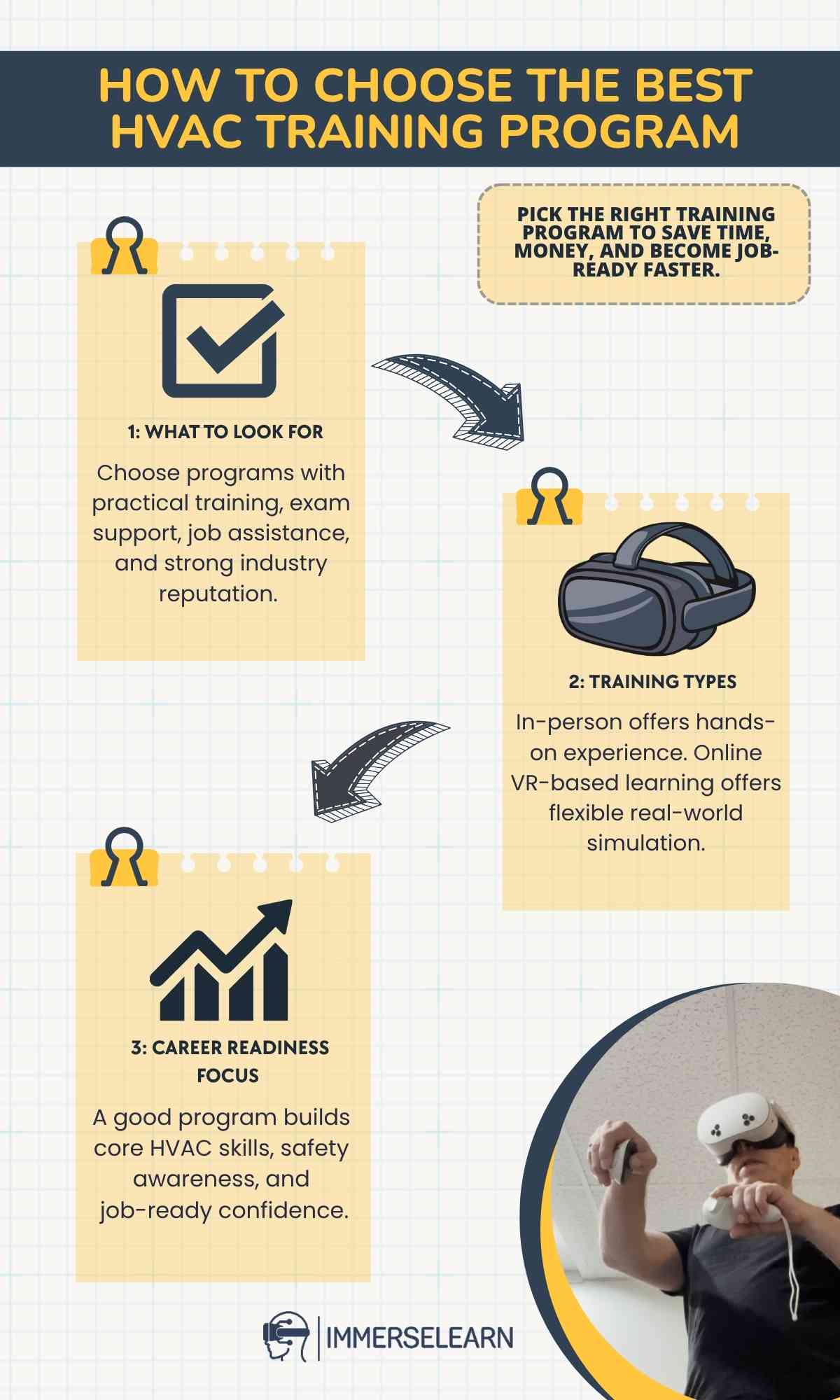
How to Choose the Best HVAC Training Program
Not all HVAC training programs deliver the same results. The wrong choice can cost time, money, and job opportunities as a Certified HVAC Technician, so it’s important to focus on what truly matters before enrolling.
Key Factors to Consider Before Enrolling:
HVAC Technicians, we should prioritize:
- Certification preparation aligned with industry standards
- NATE exam readiness, a preferred employer credential
- Hands-on or simulation-based learning focused on practical application
- Job placement support for real employment outcomes
- Accreditation or industry recognition for credibility
Online vs In-Person HVAC Training
A) In person or trade school training:
Provide direct experience with equipment and instructor guidance but require fixed schedules, physical attendance, and a longer duration.
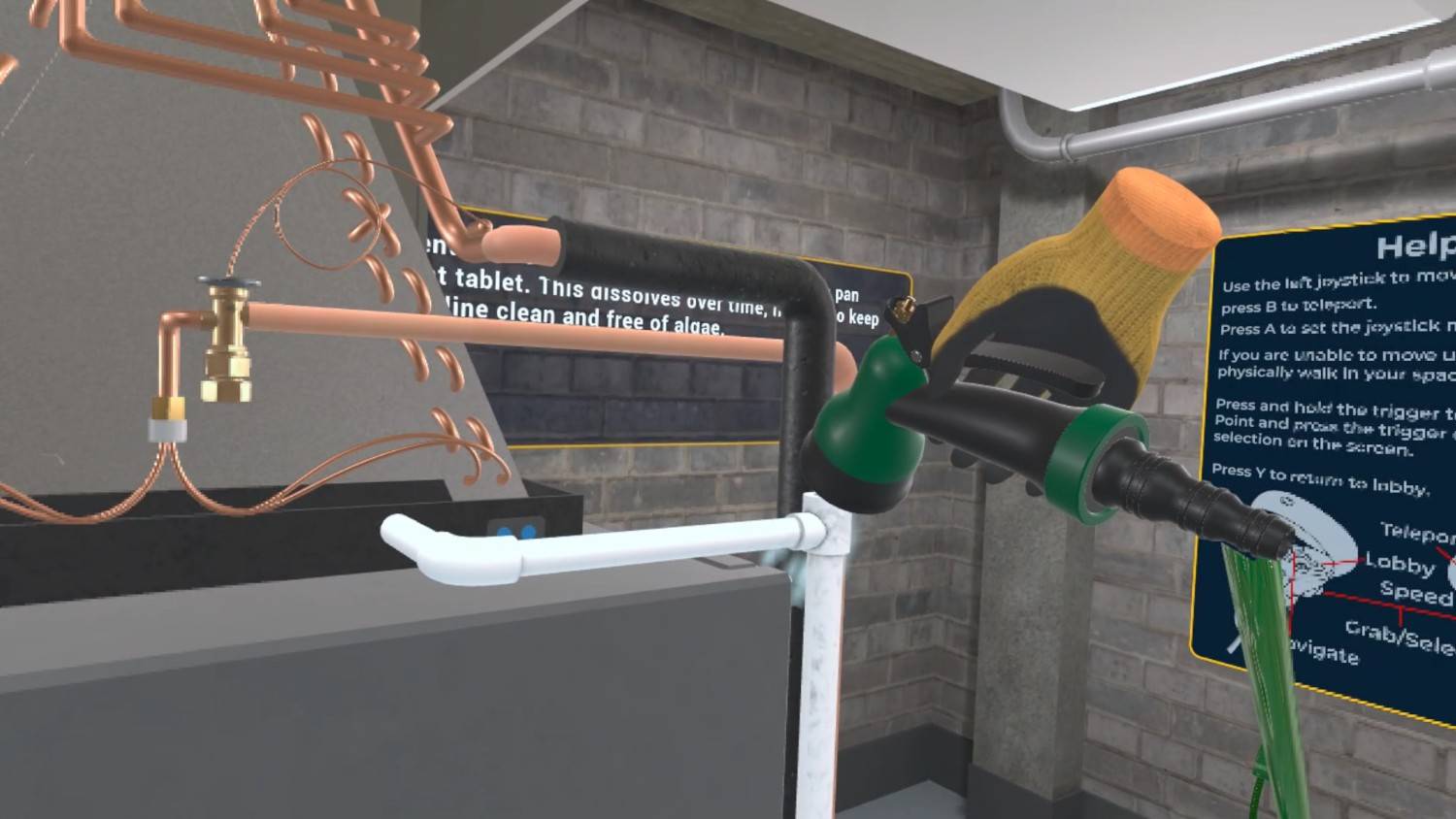
B) Online with VR simulation training:
Offers flexibility to learn from anywhere using immersive simulations that replicate real systems. It’s important to ensure the program includes true hands-on simulation, not just video-based lessons.
Real Student Experience:
“The training helped me practice HVAC procedures, understand system components, and build confidence before stepping into real job environments.”
~ Shawan DeBerry Payne, HVAC Associate Graduate
Certifications Employers Look For
Most employers hiring a Certified HVAC Technician look for:
- EPA 608 (Universal) certification for refrigerant handling
- NATE Ready to Work or higher
- OSHA 10-hour safety certification
Programs that include all three in a structured pathway help us become job-ready faster without searching separately.
Ultimately, the best HVAC training program helps us get certified, build real skills, and secure employment quickly, not just look good on paper.
To learn more: Explore our job-ready HVAC associate training program built for real-world skills.
Common Mistakes to Avoid as an HVAC Technician
Don’t overlook certifications like EPA Section 608 (Universal) if your role involves refrigerant handling, as working without it can limit job opportunities and may violate regulations in certain roles.
Don’t choose a training program based on price alone. Cheaper options that skip hands-on training, NATE prep, or job placement support can cost us more long term, so we should prioritize certification outcomes and career support.
Don’t treat safety as optional. OSHA standards are designed to prevent real workplace risks, and ignoring them can lead to job site issues, legal consequences, or serious safety incidents.
Frequently Asked Questions
Q1) Do I need certification to become a Certified HVAC Technician?
Ans: Many entry-level roles in the heating and cooling field do not require certification, but EPA 608 (Universal) is often mandatory for refrigerant-related and advanced positions.
Q2) How long does it take to become a Certified HVAC Technician?
Ans: It typically takes 6 months to 2 years depending on the program, apprenticeship, or fast-track certification path chosen.
Q3) What certifications are required for HVAC technicians?
Ans: EPA 608 (Universal) is required for refrigerant handling. OSHA 10-hour certification improves safety compliance, while NATE certification enhances job opportunities and career growth.
Q4) Is HVAC a good long term career?
Ans: Yes. The heating and cooling trade offers strong demand, stable growth, and long-term earning potential for certified professionals.
Q5) Do HVAC technicians need a college degree?
Ans: No. A four-year degree is not required. Most professionals enter through training programs, certifications, or apprenticeships.
Q6) What is the fastest way to enter this field?
Ans: Fast-track programs with certification prep and hands-on or simulation-based learning can make candidates job-ready in under 6 months.
Q7) Do HVAC technicians work indoors or outdoors?
Ans: Both. Work includes residential homes, commercial buildings, rooftops, basements, and mechanical rooms.
Q8) Is this career physically demanding?
Ans: Yes. The job involves lifting equipment, working in confined spaces, climbing ladders, and exposure to varying weather conditions.
Q9) What affects HVAC technician salary the most?
Ans: Experience, certifications like EPA 608 (Universal) and NATE, specialization, and location are the main factors influencing pay.
Q10) Can HVAC be learned online?
Ans: Yes, but only if the program includes hands-on or simulation-based learning along with certification preparation.
Conclusion
The heating and cooling industry remains one of the most practical and reliable entry points into the skilled trades sector, supported by steady infrastructure growth and strong demand for Certified HVAC Technicians across residential, commercial, and industrial systems.
Career growth is driven by hands-on technical training, key certifications like EPA 608 (Universal) and NATE, along with OSHA safety compliance. Together, these establish real job readiness beyond academic qualifications.
This field is defined by practical problem-solving. Professionals work in real environments where diagnosing systems, handling equipment, and managing pressure are essential for long-term success.
For those entering the HVAC industry in 2026, the path is clear: build core skills, earn certifications, and gain supervised field experience to develop real competence and confidence.
Are you ready to start building a certified HVAC career the right way?
References & Sources:
- U.S. Bureau of Labor Statistics: HVAC Mechanics and Installers Occupational Outlook Handbook, 2024–25 Edition
- U.S. Bureau of Labor Statistics: OEWS Wage Data (May 2024)
- North American Technician Excellence (NATE): Certification Programs
- Occupational Safety and Health Administration: OSHA 10-Hour Training
- U.S. Department of Energy: Building Technologies Office
- Air Conditioning Contractors of America (ACCA)
- ASHRAE: American Society of Heating, Refrigerating and AC Engineers