

How to Become a Sterile Processing Technician: Step-by-Step Career Guide
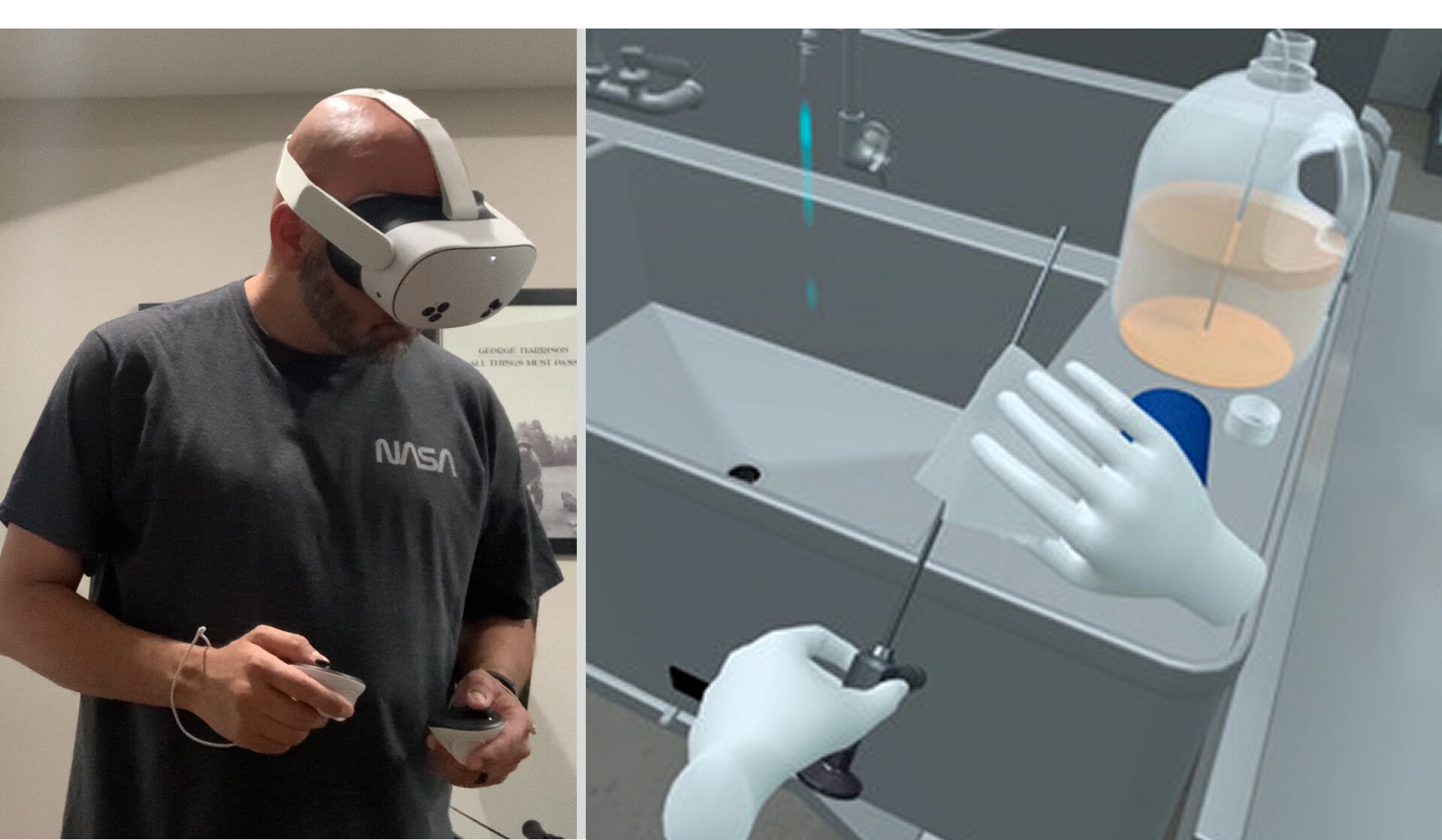
Introduction:
If we are exploring how to become a sterile processing technician, we may be surprised that building a healthcare career does not always require years of medical school or expensive degrees. The medical field relies on skilled professionals who support patient care behind the scenes, and technicians in instrument reprocessing are among the most critical roles.
Every surgical procedure depends on properly cleaned, disinfected, and sterilized medical instruments. As sterile processing technicians, we ensure instruments move safely through the reprocessing cycle, including decontamination, inspection, sterilization, and proper storage, which is essential for patient safety and infection prevention.
While these professionals may not always be visible in the operating room, their role is vital to procedural success. Hospitals, outpatient surgical centers, and specialty clinics rely on sterile processing technician teams to maintain strict infection control standards and ensure smooth operations.
This guide will explain how to become an instrument reprocessing technician, including the required skills, training courses, credentialing options, and career opportunities in this growing healthcare sector.
Is a Sterile Processing Career Right for You?
As we explore how to become a sterile processing technician, it is important to understand if this healthcare career aligns with our goals and strengths. Sterile processing is a highly rewarding yet specialized healthcare role that suits specific personality types, work styles, and long term career interests.
Who Thrives as a Sterile Processing Technician:
- Want to work in healthcare without spending years in medical school
- Are naturally detail-oriented and focused on precision
- Prefer structured, process-driven work environments
- Want a fast entry into the healthcare field (many sterile processing technician training programs can be completed in 6–12 months)
- Are comfortable with physically active, hands-on roles and shift-based schedules
Challenges in Sterile Processing Careers:
- Strongly prefer direct patient interaction over behind-the-scenes work
- Struggle with early morning, evening, or overnight shifts
- Find it difficult to stay focused on detailed, repetitive tasks
The reality is that we may never meet the patients we help, but our work as sterile processing technicians directly impacts patient safety, infection control, and surgical outcomes.
If we find purpose in meaningful healthcare work behind the scenes, this career can be highly fulfilling. If this feels like the right fit, we are already closer to learning how to become a sterile processing technician and exploring the next steps.
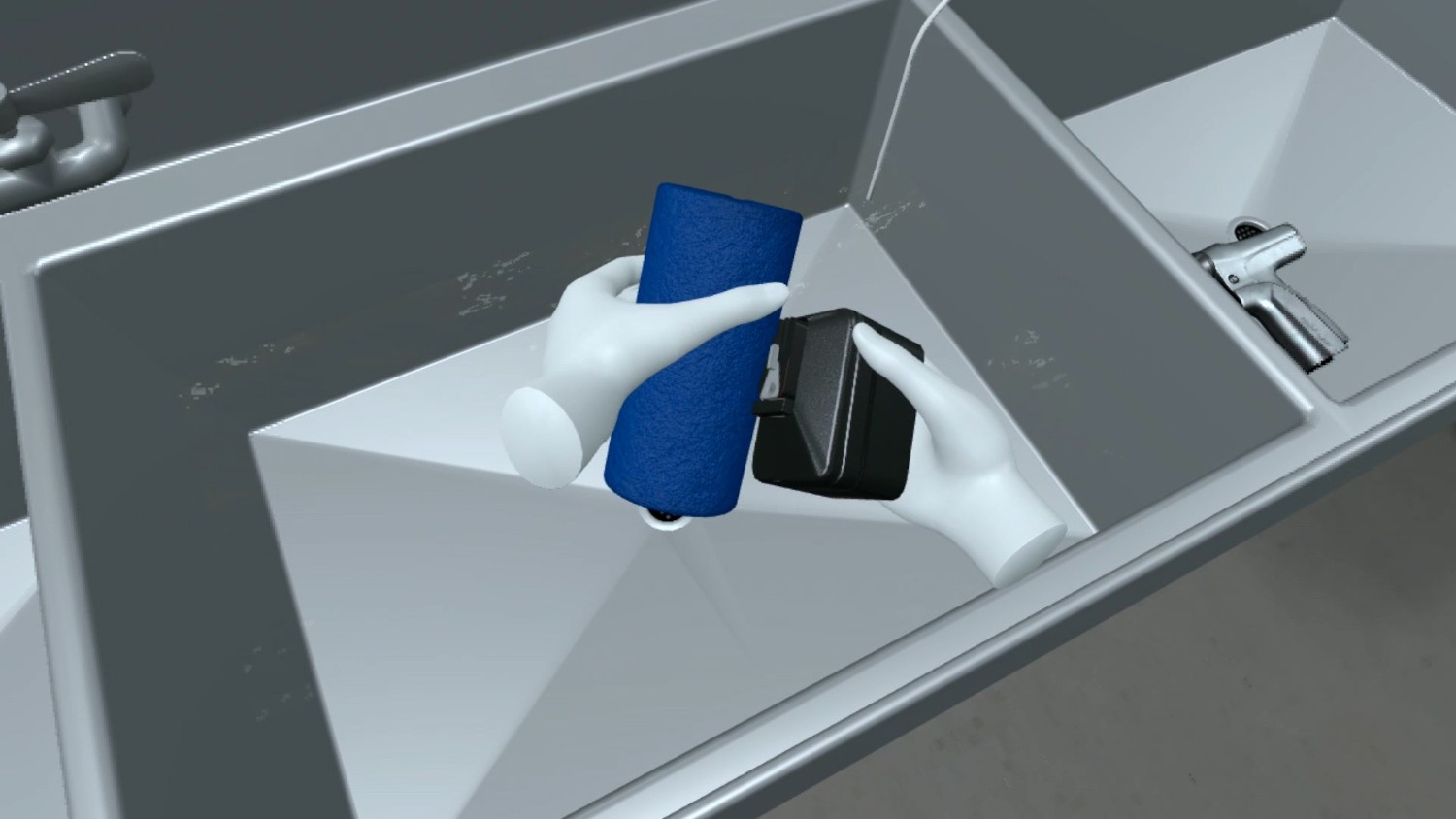
Sterile Processing Technician Roles & Duties
As we continue learning how to become a sterile processing technician, it is essential to clearly understand the responsibilities involved. These professionals play a critical role in healthcare by ensuring all medical instruments used in procedures are properly cleaned, disinfected, sterilized, inspected, and prepared for safe use.
Technicians typically operate within an instrument reprocessing department, where they maintain the safety and readiness of clinical tools. Hospitals use thousands of instruments daily, including scalpels, clamps, forceps, retractors, and procedure trays, and each must undergo a strict decontamination and reprocessing cycle after every case.
These specialists manage the complete workflow, including decontamination, detailed inspection, instrument set assembly, sterilization, and proper storage. This process is vital for maintaining infection control standards and ensuring patient safety throughout medical facilities.
Key Responsibilities:
- Ensure instruments are free from bacteria and harmful contaminants
- Maintain sterilization procedures that meet strict safety and compliance standards
- Provide clinical teams with accurate, fully prepared instrument sets
- Support efficient operating room workflows and minimize procedural delays
Because every successful surgical procedure depends on properly sterilized equipment, our role as sterile processing technicians is essential for infection prevention and positive patient outcomes.
Daily Workflow of a Sterile Processing Technician
As we continue understanding how to become a sterile processing technician, we see that our day revolves around ensuring surgical instruments are clean, sterilized, and ready for safe patient use. In the sterile processing department, we follow a structured workflow that supports efficient and safe surgical procedures.
i) Cleaning & Decontaminating Surgical Instruments:
Our workflow starts when instruments arrive from operating rooms. Before sterilization, we carefully decontaminate them to remove blood, tissue, and biological contaminants. We remove visible debris, use automated washer disinfectors, and employ ultrasonic cleaning for delicate or complex tools. Medical-grade detergents and disinfectants help break down remaining contaminants. Proper decontamination is essential to maintain infection control and patient safety, as sterilization is only effective when no organic material remains.
ii) Inspecting and Preparing Instrument Trays:
After cleaning and drying, we inspect each surgical instrument to ensure it functions correctly and is safe for use. Using bright lighting and magnification, we check for defects that may affect performance.
During this stage, we check for:
- Cracks, corrosion, or physical damage
- Misaligned or loose components
- Missing parts or incomplete instrument sets
- Dull cutting edges or worn surfaces
Once instruments pass inspection, we assemble them into procedure-specific surgical trays. We ensure each tray contains all required instruments, arranged properly to support surgical efficiency.
For example, when preparing a laparoscopic tray, we must confirm every instrument is present and correctly positioned. Even a single missing component can disrupt surgery and delay workflows.
iii) Safe Operation of Sterilization Equipment:
Sterilization is one of the most critical steps in the instrument reprocessing cycle. At this stage, we operate specialized equipment to eliminate microorganisms and ensure instruments are safe for patient use.
Common sterilization systems we work with include:
- Steam autoclaves
- Low-temperature sterilizers
- Hydrogen peroxide gas plasma systems
We closely monitor each sterilization cycle by verifying temperature, pressure, and exposure time to meet strict healthcare safety standards. We also document and validate every cycle to ensure quality assurance and traceability.
iv) Packaging and Distributing Sterile Instruments:
After sterilization, we seal instruments in sterile packaging, label and track them for easy identification. We organize and distribute trays and surgical supplies to ensure operating rooms receive instruments on time.
By maintaining strict cleanliness and sterility standards throughout, we directly support infection prevention, patient safety, and smooth surgical workflows.
.jpg)
Why Sterile Processing Is Critical in Healthcare?
As we explore the path to becoming a sterile processing technician, it’s important to recognize the impact of this medical role. Even without direct patient interaction, these professionals play a vital role in patient safety. Every instrument used in procedures must meet strict sterilization standards, and failure to uphold these standards increases the risk of infection and complications. According to the Centers for Disease Control and Prevention, site infections remain one of the most common healthcare-associated issues, highlighting the essential role of instrument reprocessing in hospital safety.
Technicians protect patients by ensuring instruments are free from harmful microorganisms, adhering to infection control protocols, maintaining regulatory compliance, and supporting clinical teams with properly prepared instrument sets.
In modern healthcare systems, where infection prevention is a top priority, we play a critical role in the sterile processing department. We help create safer surgical environments, improve workflow efficiency, and contribute to better patient outcomes.
Key Skills Required to Succeed in Sterile Processing
As we continue exploring the sterile processing technician role, we must understand that success in this healthcare career requires more than operating sterilization equipment. As sterile processing technicians, we develop a combination of technical expertise and essential professional skills to ensure patient safety and efficient healthcare operations.
1) Attention to Detail in Instrument Reprocessing:
In sterile processing, we must maintain a high level of attention to detail and precision. We carefully inspect surgical instruments, verify sterilization parameters, and ensure every step of the instrument reprocessing cycle is completed accurately.
Even a small mistake, such as a missing instrument or improperly assembled tray, can impact surgical procedures and compromise patient safety. By maintaining strong accuracy, consistency, and reliability, we ensure safe outcomes in our daily work.
In practice, if we find 146 pieces in a 147 piece tray, we recheck every instrument set until the missing hemostat clamp is located, sometimes still inside the washer, ensuring it never enters the sterile surgical field.
2) Infection Control Knowledge for Safety:
A strong understanding of infection control is fundamental in sterile processing. We must know how bacteria, viruses, and other microorganisms spread within healthcare environments.
This knowledge allows us to follow proper decontamination and sterilization procedures that effectively eliminate harmful contaminants. By applying infection prevention principles, we play a critical role in reducing the risk of surgical site infections (SSIs) and protecting overall patient safety.
3) Proficient Handling of Sterilization Equipment:
Sterile processing departments rely on advanced equipment and monitoring systems, and technicians must be comfortable operating them efficiently and safely.
We regularly work with:
- Sterilization machines
- Instrument tracking software
- Ultrasonic cleaners
- Automated washers
Mastering the proper use of this equipment is a critical part of sterile processing technician training and daily responsibilities.
4) Organization and Workflow Skills:
Healthcare facilities handle a high volume of procedures, which requires instrument sets to be prepared quickly and accurately.
Technicians stay organized while tracking instrument trays, managing inventory, and preparing procedure-specific sets. Strong workflow management ensures operating rooms receive the correct instruments on time and helps prevent delays during clinical procedures.
5) Communication with Clinical Teams:
Although technicians operate behind the scenes, effective coordination with clinical staff is essential.
They regularly collaborate with:
- Operating room teams
- Surgical nurses
- Supply chain staff
Clear and consistent communication helps maintain smooth procedure workflows and supports overall healthcare efficiency.
Read More: Sterile Processing Technician Skills: Complete Career Guide
.jpg)
Common Sterile Processing Technician Mistakes:
As we learn about the sterile processing technician role, we must also understand the common mistakes that can impact patient safety and sterilization quality. As sterile processing technicians, we follow strict protocols to ensure accuracy, compliance, and efficient healthcare operations.
i) Avoid Rushing Instrument Inspections:
We must never rush visual inspection of surgical instruments. A cracked instrument or missing component reaching the operating room creates serious risks. Careful inspection is essential for surgical safety and patient outcomes.
ii) Ensure Proper Instrument Drying:
Moisture inside packaging can cause sterilization failure. We must ensure complete drying as it is critical for effective sterilization and infection control.
iii) Check Accuracy of Tray Assembly:
A missing surgical instrument can disrupt procedures. We must double check tray assembly, tray cards, and count sheets to ensure accuracy and readiness.
iv) Maintain Complete Sterilization Records:
Every sterilization cycle requires accurate and traceable documentation. We must maintain complete records to meet healthcare compliance standards and pass audits.
v) Follow FIFO for Sterile Stock:
We must follow FIFO First In First Out by using older sterile stock first. This helps us avoid expired inventory and improves workflow efficiency.
vii) Always Follow PPE Protocols:
We must always use personal protective equipment, including gloves, face shields, and gowns, in the decontamination area. Following PPE protocols ensures safety and proper infection prevention.
Avoiding these mistakes helps us build credibility, improve performance, and grow as trusted sterile processing technicians in the healthcare field.
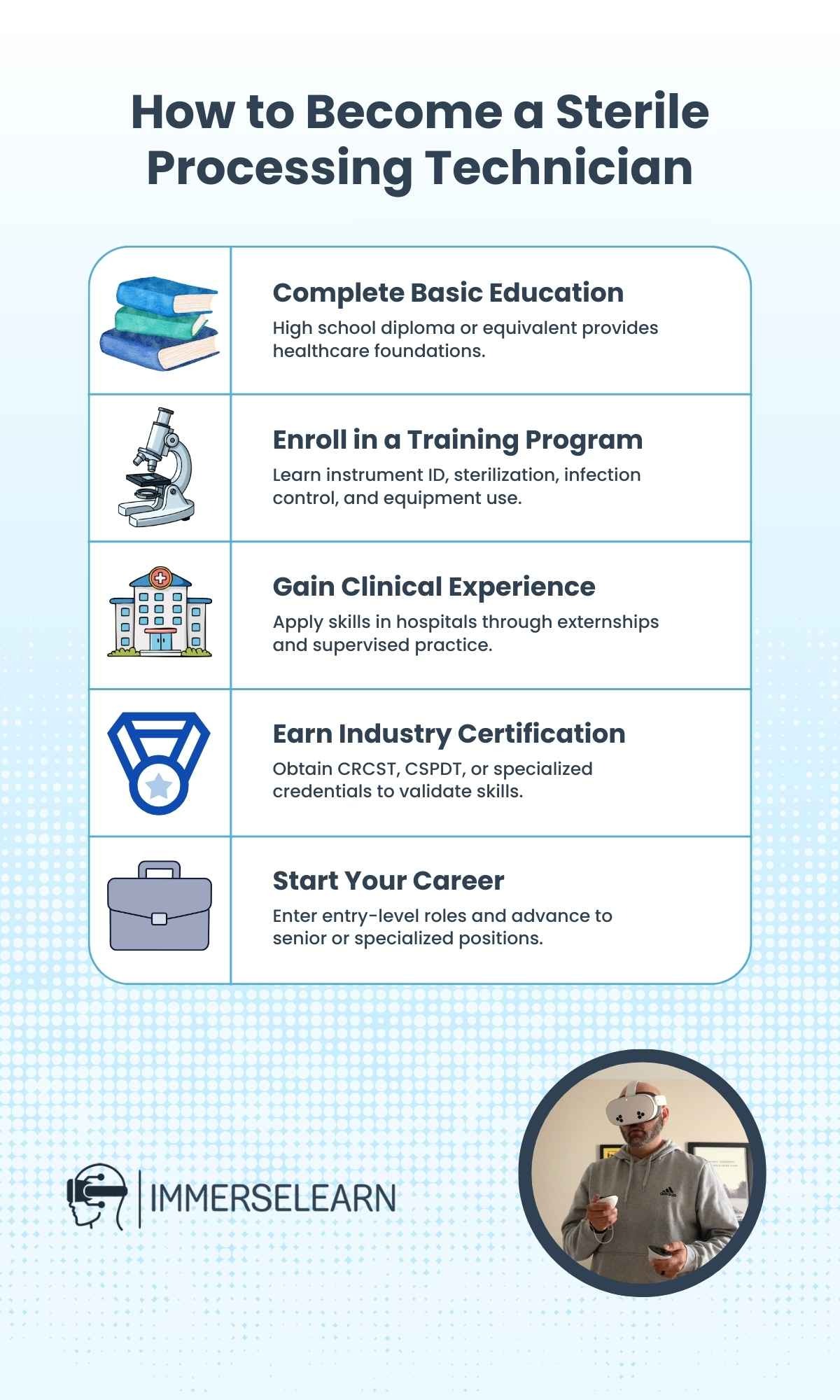
Step-by-Step Guide to Becoming a Sterile Processing Technician
For those of us interested in entering healthcare careers quickly, sterile processing offers a clear and achievable path. Let us go through the key steps we typically follow.
1) Meet Education Requirements:
We start by meeting the basic education requirements, usually a high school diploma or equivalent. This foundation helps us understand medical terminology, follow technical instructions, and learn essential infection control and safety protocols.
2) Enroll in a Sterile Processing Training Program
Next, we enroll in a sterile processing training program to build technical knowledge and practical skills. These programs cover surgical instrument identification, sterilization procedures, infection prevention, equipment operation, and healthcare safety standards.
Through hands-on training in clinical settings and simulation labs, we practice sterilization workflows, instrument handling, and surgical tray preparation. This helps us become confident and ready for real hospital environments.
3) Obtain Clinical Experience and Externships:
We gain clinical experience through externships or hospital placements. During this stage, we practice instrument decontamination, sterilization cycle monitoring, surgical tray assembly, and sterile processing workflows. This real world exposure prepares us for safe and efficient work from day one.
4) Earn Sterile Processing Certification:
We can strengthen our career by earning industry certification. Certification shows our knowledge of sterilization procedures, infection control practices, and healthcare standards, which are highly valued by employers.
5) Start Your Career in Sterile Processing:
Once we complete training and certification, we apply for entry level sterile processing technician jobs in hospitals, outpatient surgery centers, and specialty clinics. With experience, we can take on advanced responsibilities and grow into senior roles in the sterile processing department.
Sterile Processing Certifications Overview
As we pursue a career in instrument reprocessing, understanding the value of professional credentials is crucial for long-term growth and credibility. While learning about the sterile processing technician role, earning professional certification helps us demonstrate technical knowledge, validate our skills, and meet healthcare industry standards.
Two widely recognized credentials are available in this field:-
Certified Registered Central Service Technician (CRCST):
The Certified Registered Central Service Technician certification is one of the most respected qualifications in medical facilities.
To earn this credential, candidates typically need to:
- Pass a qualifying exam
- Complete required hands-on experience hours
- Demonstrate knowledge of sterilization procedures and infection control
Many employers prefer candidates with this qualification, as it reflects strong technical competency and job readiness in instrument reprocessing departments.
Certified Sterile Processing & Distribution Technician (CSPDT):
This is another well-regarded credential in this domain. It covers essential areas such as sterilization techniques, surgical instrument management, and infection prevention.
As sterile processing technicians, we can use this credential to strengthen our career prospects, improve our technical knowledge, and increase opportunities in healthcare facilities.
Choosing Between CRCST and CBSPD Certifications
As we move forward in our sterile processing career, we must choose the right certification based on our goals. Both CRCST and CBSPD are widely recognized across the healthcare industry but focus on different aspects of instrument reprocessing.
To make the right decision, it’s important to understand their key differences and choose the option that best aligns with long-term career objectives.
.jpg)
Both certifications can help us strengthen our career prospects, improve employability, and increase earning potential in the healthcare field.
Want to learn more about becoming a Certified Sterile Processing Technician? Explore our complete certification guide.
Advanced Sterile Processing Specializations:
As we gain experience in sterile processing, we can pursue advanced certifications to specialize in high demand areas such as:
- Surgical Instrument Specialist
- Endoscope Reprocessing Specialist
These specialized certifications help us build deeper technical expertise, expand our career opportunities, and move into advanced or leadership roles in healthcare settings.
How Long to Become a Sterile Processing Technician
One of the biggest advantages of this medical career is the short preparation timeline. As we plan our path in instrument reprocessing, entry into the field is much faster compared to roles that require years of formal education.
Most sterile processing technician training courses can be completed within:
- 4 to 6 months for accelerated courses
- 6 to 12 months for standard certificate pathways
- Longer durations for extended courses that include clinical rotations and hands-on experience
Because of this shorter timeline, this profession offers an accessible entry into the medical field. Individuals gain essential skills in sterilization, infection control, and instrument handling, helping them become job-ready quickly.
Where Sterile Processing Technicians Work
As we explore career options in the medical field, it’s important to understand where sterile processing technicians apply their skills in real-world settings. These professionals operate in environments where instruments are cleaned, sterilized, and prepared for procedures, playing a vital role in infection control and patient safety.
Common workplaces include hospitals, outpatient procedure centers, specialty clinics, and medical device companies. In most cases, professionals are part of the sterile processing department, where they support clinical teams by ensuring all instruments are properly decontaminated and ready for use.
Since procedural services often extend beyond regular hours, shifts may include evenings, weekends, or overnight schedules. This ensures continuous instrument availability, supports efficient clinical operations, and maintains consistent patient care.
Salary and Job Outlook for Sterile Processing Technicians
As we explore the sterile processing technician career, understanding salary and job outlook helps us evaluate long term growth in this healthcare role. Earnings vary based on experience, certification, and location.
- Entry-Level Technicians: $34,020 – $38,060 per year
- Mid-Level Technicians: $45,280 (median) per year
- Experienced Technicians: $53,310+ per year
- Top 10% Earners: $63,980+ per year
According to the U.S. Bureau of Labor Statistics, the median wage for medical equipment preparers is $45,280, with a mean of $47,410, and over 66,000 professionals employed in this field.
We see higher salaries in California, District of Columbia, and Alaska, showing how location impacts earning potential in sterile processing careers. We can increase our income by earning CRCST certification or CSPDT certification, as certified sterile processing technicians often receive better pay and opportunities.
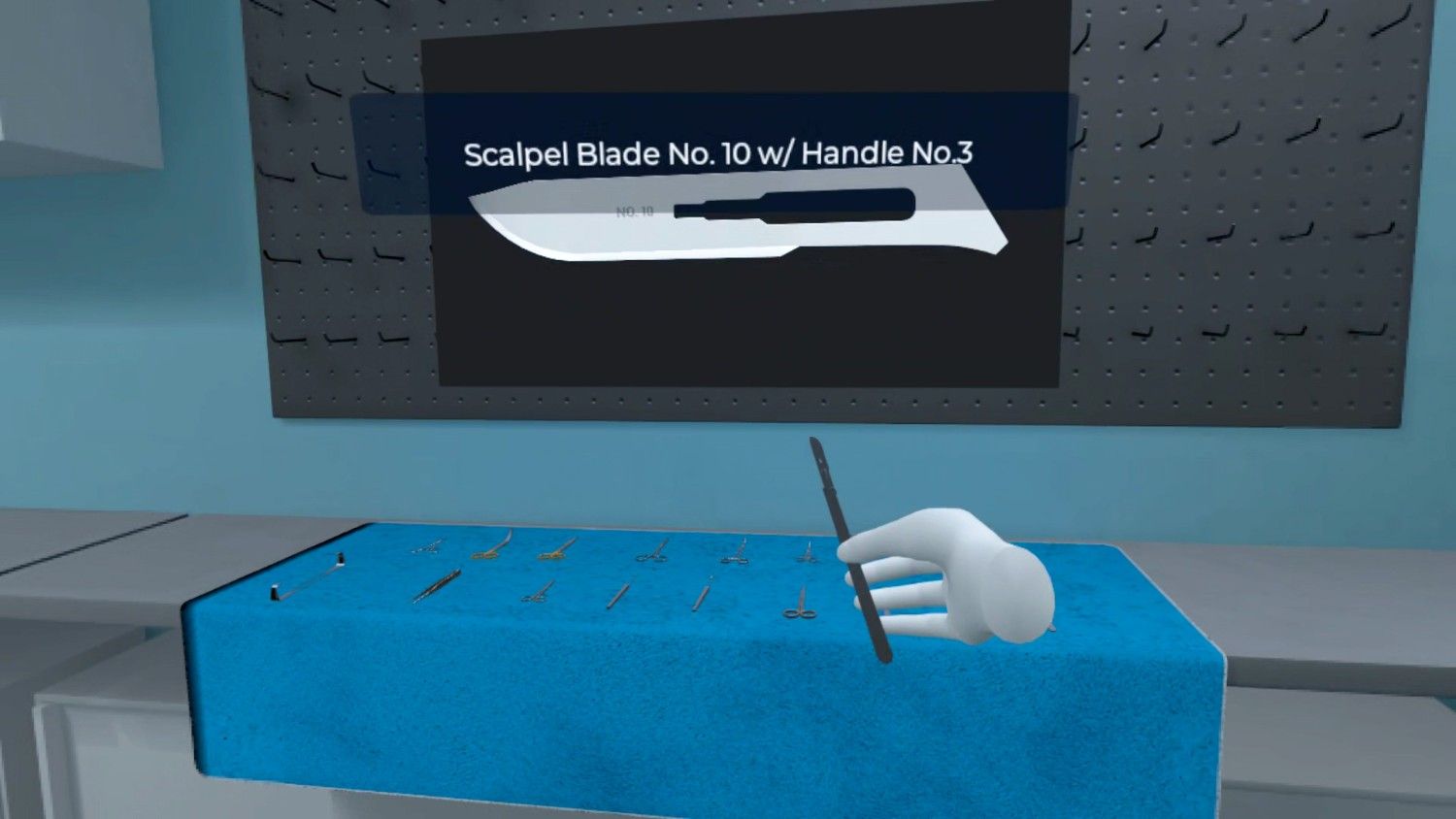
Career Growth and Advancement in Sterile Processing
As we progress in our journey of how to become a sterile processing technician, it’s important to understand the career growth opportunities available in this medical field. This profession offers clear and structured pathways for advancement.
i) Advancing to Senior Technician Roles:
Professionals may advance into senior roles, where they lead instrument reprocessing teams, manage daily workflows, and ensure quality standards and regulatory compliance within the department.
ii) Moving into Supervisor or Manager Roles:
With experience, individuals often move into supervisory or managerial positions, overseeing operations, coordinating staff, and maintaining efficiency across reprocessing units.
iii) Specialized Roles in Sterile Processing:
We can also specialize in areas such as infection control, medical device management, endoscope reprocessing, and healthcare equipment consulting, helping us build niche expertise in high demand areas.
Tips for Growth:
- Earning professional certifications helps accelerate career progression and expand job prospects
- Gaining hands-on clinical experience and working with advanced equipment supports transition into leadership positions
This career path offers stability, long-term growth, leadership opportunities, and diverse specialization options within the medical industry.
Challenges in a Sterile Processing Technician Career
As we understand how to become a sterile processing technician, we must also be aware of the real challenges in this healthcare career. Sterile processing is both essential and demanding, requiring us to work in fast paced environments where accuracy, consistency, and efficiency directly impact patient safety.
In our daily work, we handle high volumes of surgical instruments, follow strict sterilization protocols, and stay focused on repetitive but critical tasks. We also manage physically active shifts, including long hours of standing and handling equipment in the sterile processing department.
Despite these challenges, we find this profession highly rewarding. Our attention to detail and focus on infection control support surgical success and protect patient health. This role requires precision, discipline, and resilience, while allowing us to make a meaningful impact in healthcare every day.
How to Choose the Right Sterile Processing Training Program
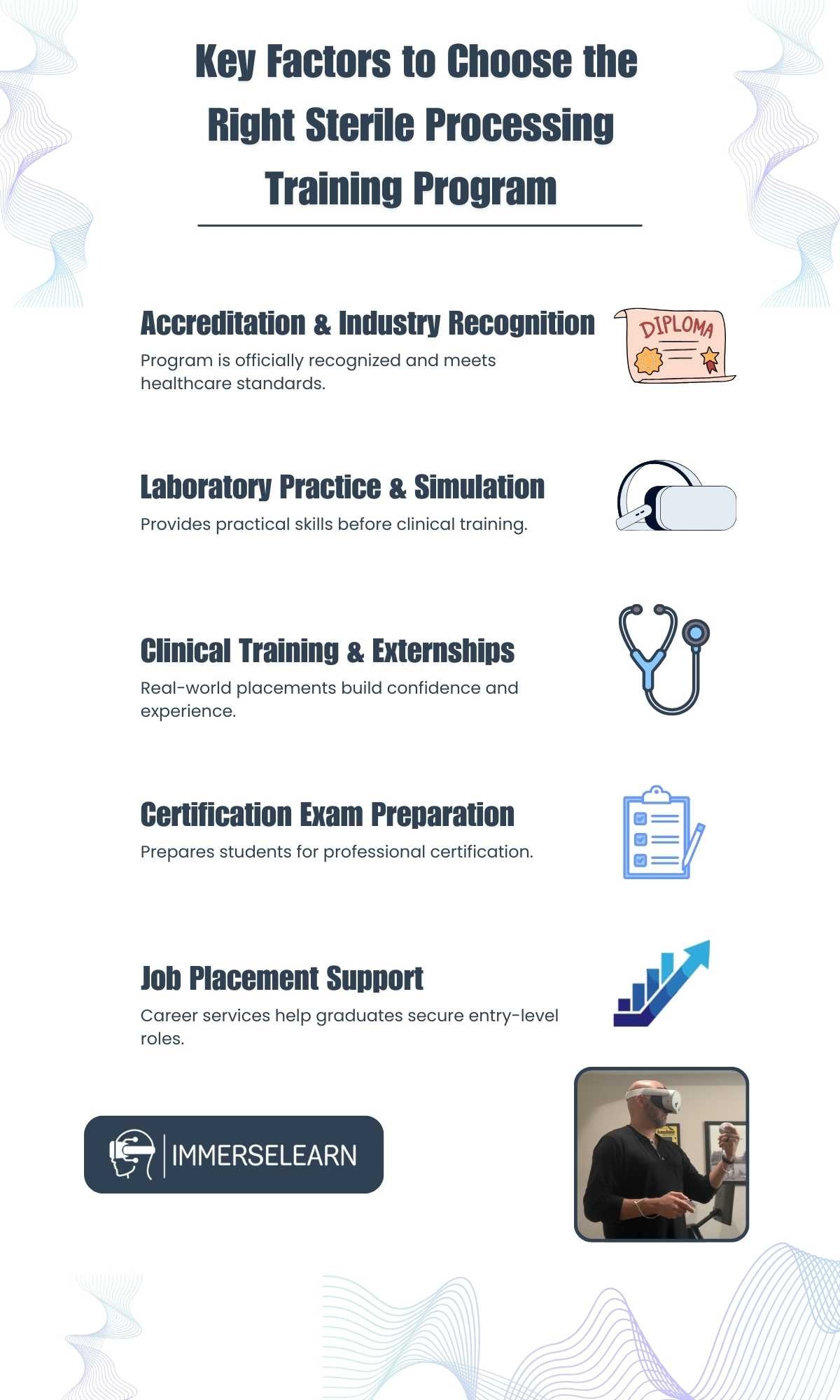
Choosing the right sterile processing training program is a crucial step in how to become a sterile processing technician. The quality of training directly impacts our skills, confidence, and job readiness in healthcare environments. When evaluating programs, we should focus on:
1) Program Accreditation & Industry Recognition:
We should choose accredited programs that meet healthcare industry standards, improving our chances of working in hospitals and surgical centers.
2) Simulation & Hands-On Lab Training:
We should look for programs that offer hands-on training through labs or simulations to build real skills in instrument handling, sterilization processes, and infection control.
3) Externships & Clinical Training:
Programs that include real-world clinical placements or externships allow us to apply our knowledge in healthcare settings. This experience builds confidence and prepares us for actual sterile processing department (SPD) workflows.
4) Preparation for Certification Exams:
A strong program should prepare us for professional certification, helping validate our skills and improve career opportunities in sterile processing.
5) Career Support & Placement Services:
Access to career services or placement assistance can make it easier for us to transition into entry-level positions. Programs that offer job support help us enter the healthcare workforce more smoothly.
By choosing the right program, we can build strong technical skills, gain practical experience, and create a solid foundation for long term success in sterile processing.
To learn more, explore our Sterile Processing Technician training program to start your career.
How Modern Tech Improves Sterile Processing Training
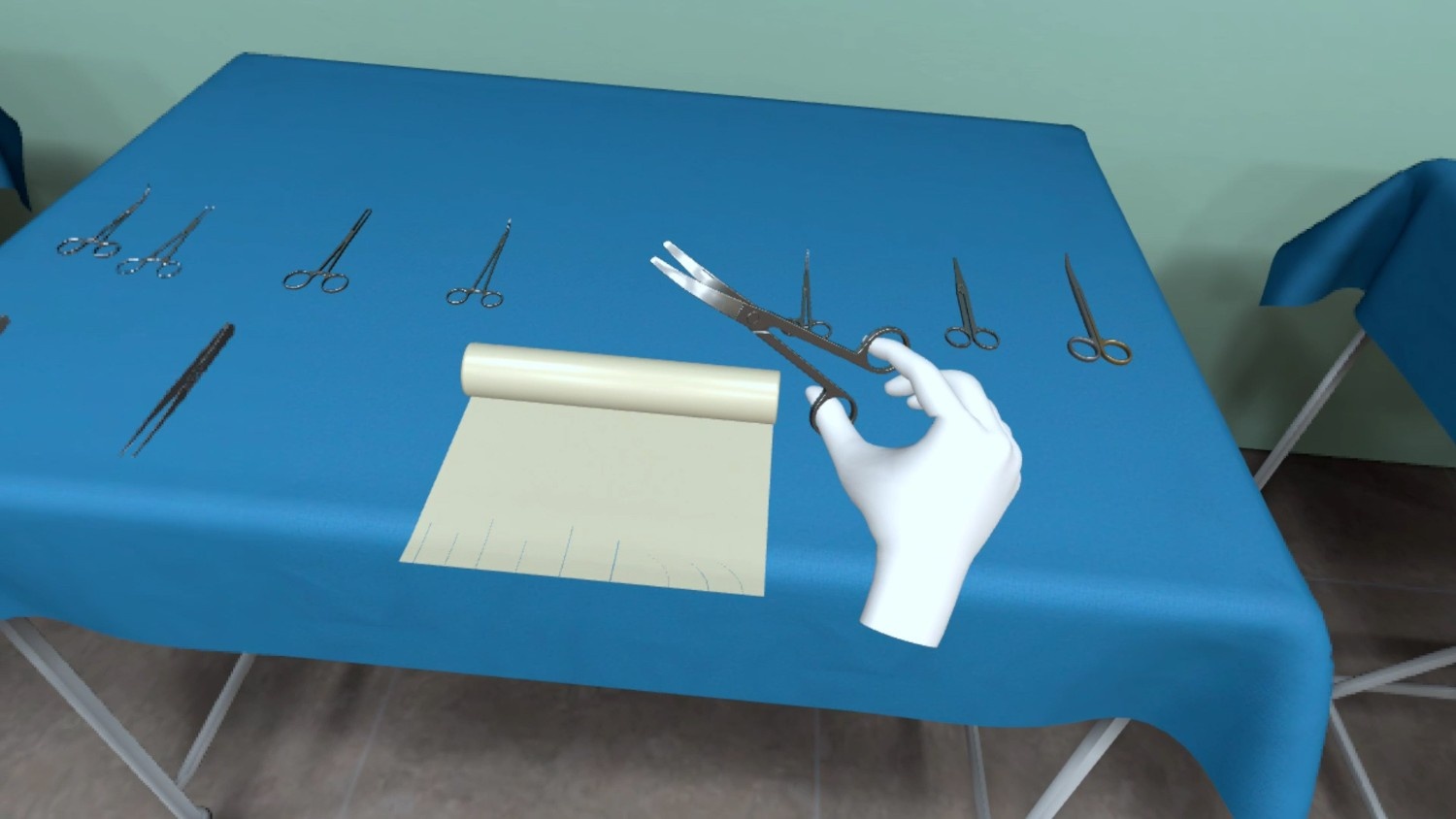
As we explore sterile processing training, we often encounter a gap between theoretical knowledge and real-world application. Traditional programs rely heavily on lectures and textbooks, which can limit confidence in instrument handling, sterilization equipment, and hospital workflows.
Modern sterile processing technician programs address this gap through simulation labs and immersive educational environments. These approaches enable us to practice sterilization cycles, handle surgical instruments, and engage in realistic clinical scenarios before entering medical settings.
By combining hands-on experience with structured instruction, we develop practical skills, strengthen infection control practices, and improve job readiness. This method enhances skill development and prepares us to meet industry standards from day one.
Frequently Asked Questions:
Q1) Can we become a sterile processing technician without prior experience?
Ans. Yes, we can start without prior experience. Many sterile processing technician training programs are beginner friendly and provide hands-on training, clinical experience, and essential knowledge to enter the healthcare field.
Q2) Do sterile processing technicians interact with patients?
Ans. We usually work behind the scenes in the sterile processing department, ensuring surgical instruments are cleaned, sterilized, and ready for use. Direct patient interaction is minimal.
Q3) How long does training take?
Ans. Most training programs take 3 to 12 months, depending on the schedule. Some include externships, allowing us to gain real world healthcare experience.
Q4) Is certification required to work in hospitals?
Ans. Certification is not always required, but many hospitals prefer certified sterile processing technicians. It helps validate our skills and improves job opportunities.
Q5) What career advancement opportunities exist?
Ans. As we gain experience, we can move into senior technician roles, supervisory positions, or specialized areas such as infection control and medical device management.
Conclusion:
As we’ve explored how to become a sterile processing technician, we can see that this critical medical role directly contributes to surgical success, even behind the scenes. In this position, professionals ensure surgical instruments are thoroughly cleaned, disinfected, and prepared for use, supporting patient safety, infection prevention, and efficient clinical operations.
For those seeking a career in the medical field without years of formal schooling, this profession offers a practical, hands-on pathway with strong growth potential. With the right training, certification, and clinical experience, individuals can build a stable and rewarding profession while advancing into supervisory or specialized roles within instrument reprocessing departments.
By choosing this path, we become part of an essential patient care system that supports safe and effective treatment every day. If we’re ready to begin, the journey toward becoming a skilled sterile processing technician can start today.