

VR Training for Clinical Medical Assistants: Job-Ready Skills
Introduction:
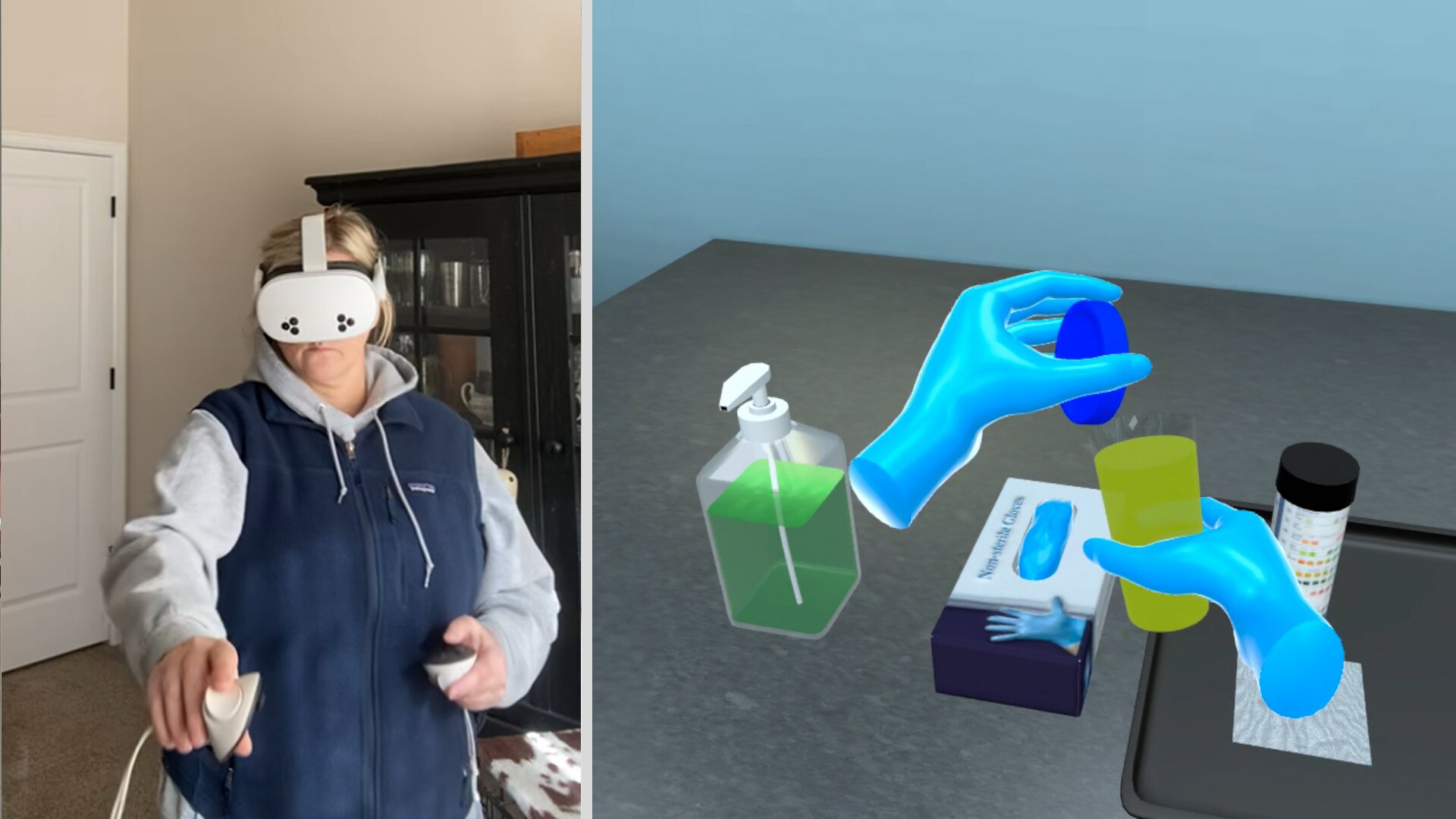
Healthcare education is evolving as advanced technology changes how professionals develop practical skills and prepare for real-world patient-care environments. Traditional classroom learning alone is no longer enough for modern patient-care responsibilities and workflow demands. This is why Virtual Reality (VR) has become an important part of Clinical Medical Assistant Training, providing hands-on experience through immersive simulations before real patient exposure.
With Virtual Reality training, learners practice procedures, patient communication, documentation, and daily workflows in realistic digital environments that mirror real care settings. Instead of relying only on textbooks or lectures, learners engage in interactive scenarios that improve procedural confidence, workflow familiarity, readiness, and practical patient-care skills.
At ImmerseLearn, we combine immersive VR technology with supervised externship opportunities to deliver career-focused Clinical Medical Assistant training program. This hands-on training builds real-world experience, improves patient-care readiness, and strengthens confidence for success in clinical environments.
Understanding VR in Clinical Medical Assistant Training
What Is VR in Healthcare Education?
Clinical Medical Assistant Training uses Virtual Reality (VR) to recreate realistic healthcare environments where learners practice patient-care tasks, clinical workflows, administrative duties, and daily healthcare responsibilities before entering real medical settings. Through immersive simulations, learners gain hands-on experience in scenarios that reflect modern patient-care environments.
Unlike traditional lectures, Virtual Reality healthcare training provides interactive learning that improves clinical understanding, decision-making, workflow familiarity, communication skills, and knowledge retention. This simulation-based approach builds practical healthcare skills and workplace confidence through repeated safe practice.
Why VR Matters in Healthcare Training
Today’s employers expect Clinical Medical Assistants to demonstrate confidence in patient communication, procedural accuracy, documentation, and workflow coordination. VR-based education helps learners practice these essential responsibilities before externships or employment.
Through immersive VR healthcare education, learners improve workflow familiarity, procedural confidence, and clinical readiness for fast-paced healthcare environments. It also strengthens patient-care preparation and workplace adaptability.
Benefits of VR Clinical Training
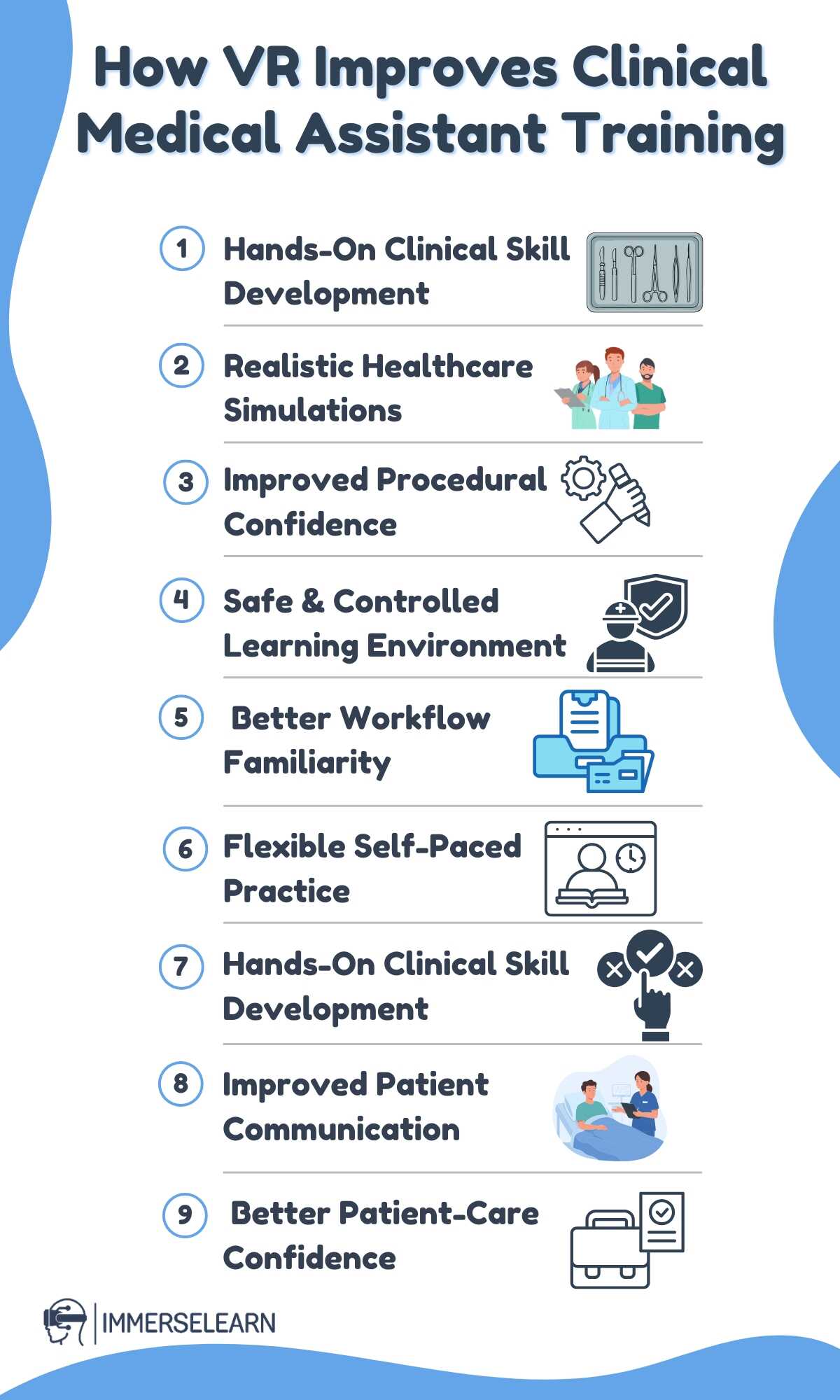
- Realistic simulations and workflow practice
- Hands-on patient-care learning
- Safe repeated practice without patient risk
- Improved procedural accuracy and confidence
- Better patient communication and professionalism
- Faster skill development
- Strong workplace readiness and workflow familiarity
- Engaging interactive learning experiences
By combining immersive simulations with practical learning, Clinical Medical Assistant Training improves patient-care confidence, strengthens readiness, and prepares learners for real-world responsibilities.
How VR Enhances Clinical Medical Assistant Training
i) Hands-On Clinical Skills Development
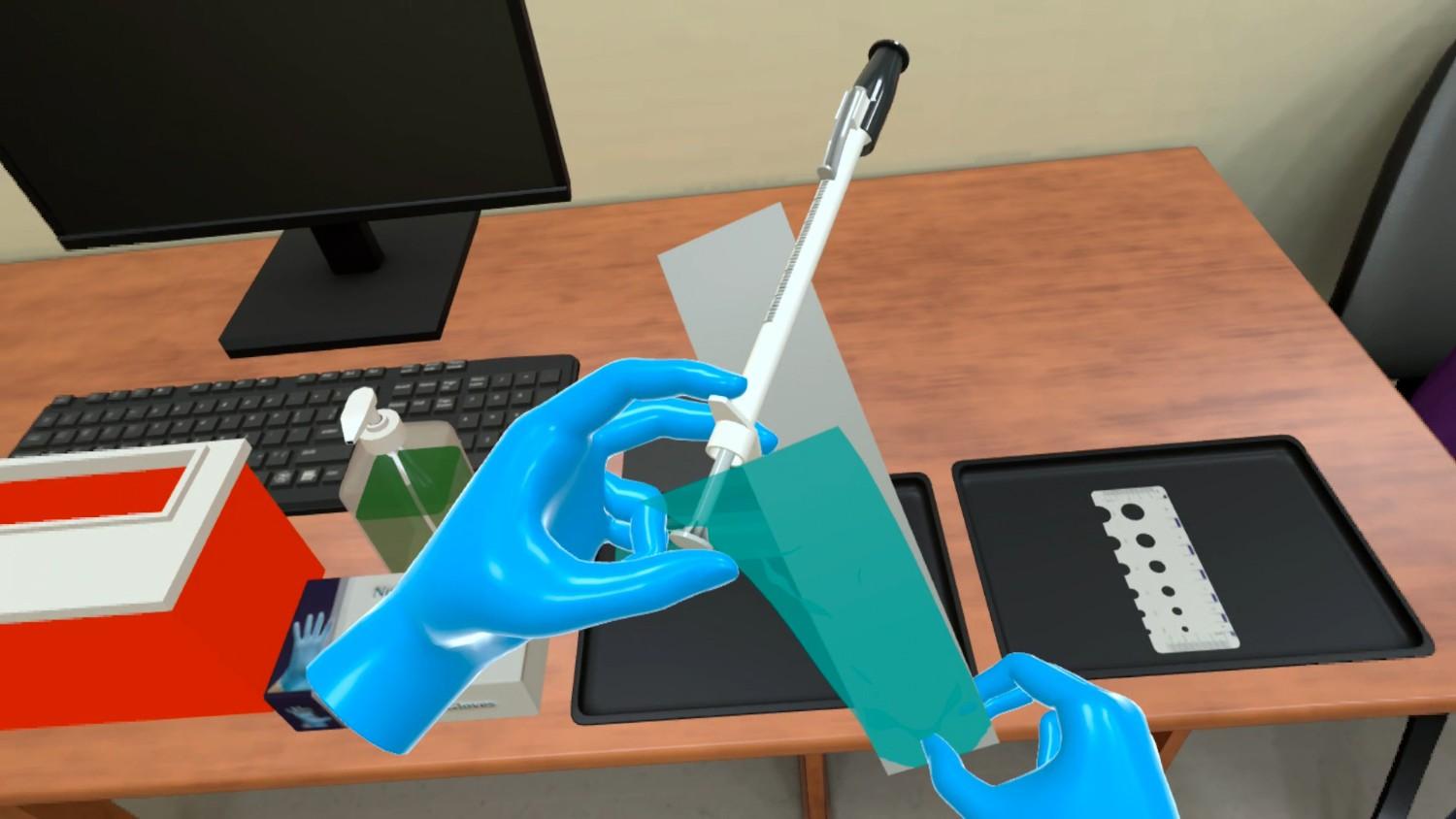
Virtual Reality-based Clinical Medical Assistant Training allows learners to repeatedly practice care procedures and real-world workflows before externships or professional environments. Through immersive VR simulations, learners gain hands-on experience in care tasks, administrative processes, medical documentation, and professional communication in realistic care settings.
These simulations closely mirror real clinical environments. They build procedural confidence, improve workflow familiarity, and strengthen workplace readiness through hands-on healthcare training. Scenarios also include fast-paced clinical situations such as patient intake, examination room preparation, infection control procedures, and accurate medical documentation in busy healthcare settings.
Clinical Skills Practiced in VR
- Measuring patient vital signs accurately during clinical assessments
- Preparing examination rooms using proper healthcare workflows
- Assisting with patient intake and medical documentation
- Performing EKG preparation and monitoring procedures
- Preparing and setting up Holter monitors
- Following infection control and patient safety protocols
- Completing clinical documentation and administrative tasks
- Practicing professional patient communication in healthcare interactions
Through repeated immersive practice, Clinical Medical Assistant Training improves procedural accuracy, confidence, workflow efficiency, and readiness before externships and real-world environments.
Learn the essential Clinical Medical Assistant skills used in modern healthcare environments.
ii) Safe VR Learning Environments
Many learners in Clinical Medical Assistant Training feel anxious when performing clinical procedures for the first time, especially in patient interaction, procedural accuracy, and fast-paced healthcare workflows. Virtual Reality healthcare training provides a safe, controlled environment to practice essential clinical skills before working with real patients or healthcare teams.
Through immersive simulations, learners repeatedly practice procedures, correct mistakes, and build familiarity in realistic scenarios without risk. This hands-on approach supports gradual skill development, stronger confidence, and improved workplace readiness.
What Learners Practice in VR Simulations:
- Repeat clinical procedures for better skill retention
- Practice healthcare tasks at their own pace
- Build confidence through guided hands-on learning
- Learn safely from mistakes in controlled environments
- Improve clinical thinking and decision-making skills
This Virtual Reality learning environment reduces anxiety, improves procedural confidence, and supports long-term skill mastery. As learners become more comfortable with healthcare workflows, communication and patient-care readiness also improve in Clinical Medical Assistant Training.
iii) Enhancing Patient Communication Skills
Clinical Medical Assistant Training requires more than technical skills. Learners must communicate clearly, explain medical procedures, respond to patient concerns, and stay confident in real healthcare environments.
VR simulations help learners practice real interactions in realistic settings. These scenarios include nervous individuals, repeated questions, EKG explanations, and communication during fast-paced workflows. This helps strengthen communication abilities and professional confidence before externships or workplace experience.
Patient Communication Skills Through VR:
Through immersive Virtual Reality training, learners can:
- Practice professional patient communication in healthcare settings
- Explain medical procedures clearly and confidently
- Respond to patient concerns and questions effectively
- Manage patient anxiety during clinical interactions
- Improve professionalism in fast-paced environments
- Strengthen active listening and patient support skills
These immersive learning experiences improve communication abilities, build confidence, and prepare learners for real-world responsibilities.
VR for Real-World Clinical Readiness
Building Confidence Before Externships
Clinical externships are a key part of Clinical Medical Assistant Training, but many learners feel unprepared or nervous before entering real healthcare environments. Virtual Reality-based healthcare training helps learners build familiarity with clinical workflows, patient-care responsibilities, and workplace expectations before externships.
At ImmerseLearn, immersive VR healthcare simulations provide practical exposure to real clinical scenarios. Through hands-on healthcare training, learners gain confidence in:
- Clinical procedures and patient-care tasks
- Real-world healthcare workflows
- Professional patient communication
- Workplace professionalism and behavior
- Medical equipment handling
- Time management in fast-paced environments
By the time learners begin externships, they already have experience with realistic healthcare simulations, improving clinical confidence and workplace readiness before entering real patient-care settings.
Explore the steps to become a Clinical Medical Assistant and prepare for a healthcare career.
Improving Knowledge Retention
Virtual Reality healthcare training improves knowledge retention through active participation, hands-on learning, and real-time decision-making. Learners retain clinical procedures and healthcare workflows better than passive classroom learning. Instead of observing demonstrations, they engage in immersive healthcare simulations that strengthen procedural understanding and skill development.
This Clinical Medical Assistant Training approach improves procedural recall, workflow familiarity, clinical accuracy, communication skills, and long-term retention before externships or real healthcare environments. Repeated simulation-based training builds confidence, clinical preparedness, and familiarity with daily healthcare responsibilities.
How ImmerseLearn Uses VR Healthcare Training
i) Immersive Healthcare Simulations
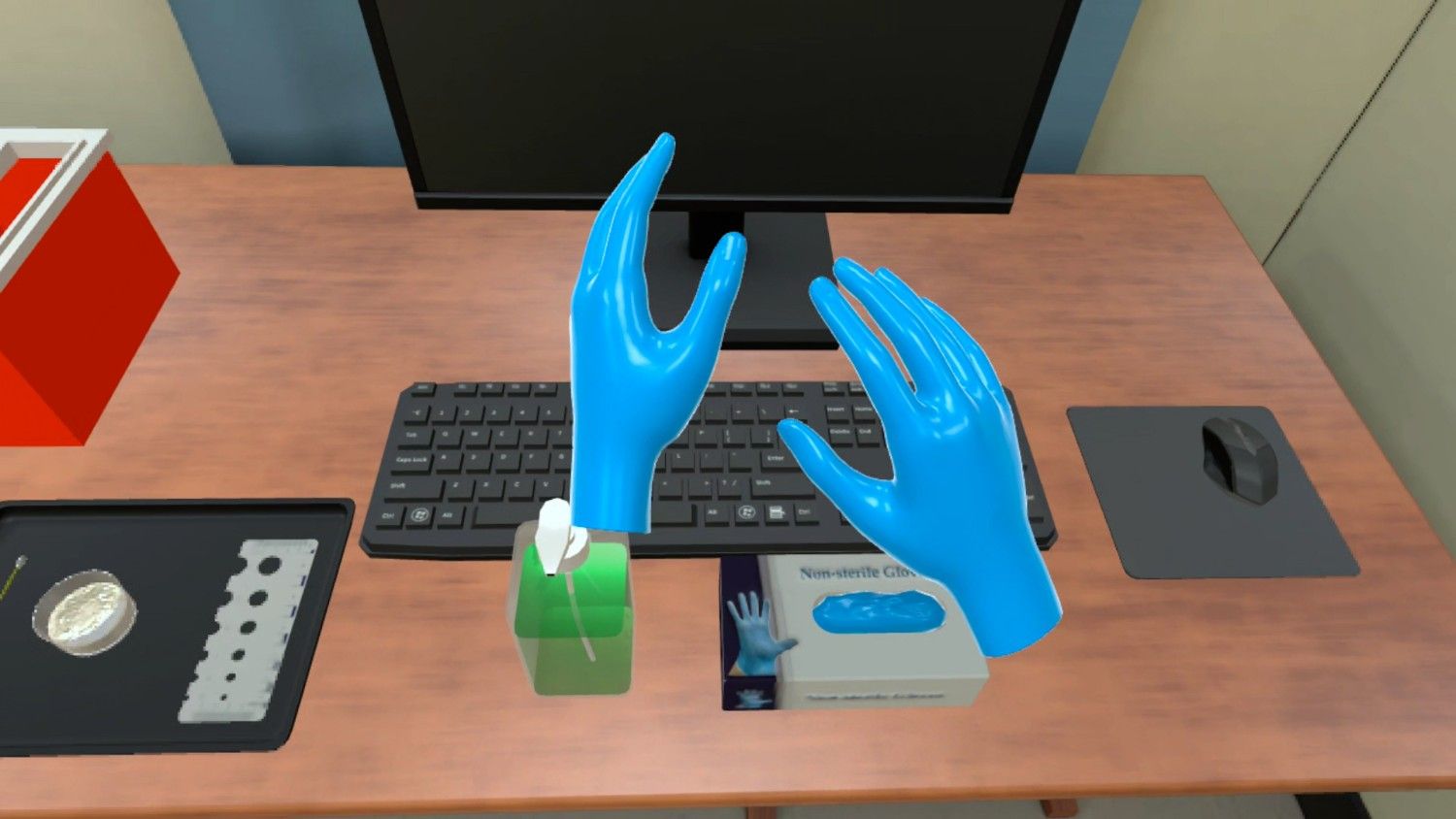
At ImmerseLearn, we use Virtual Reality simulations to recreate realistic medical environments within our Clinical Medical Assistant Training program. Through immersive hands-on instruction, students gain practical exposure to patient-care workflows, administrative responsibilities, and day-to-day medical operations before entering externships or professional care settings.
Our VR healthcare simulations include:
- Medical offices and outpatient healthcare facilities
- Outpatient clinics and patient-care environments
- Patient examination and treatment rooms
- Front-desk healthcare operations and administrative workflows
- Diagnostic testing and clinical procedure environments
Participants also practice patient intake procedures, exam room setup, medical record documentation, administrative coordination, and professional communication. These immersive simulations improve workflow familiarity, patient interaction skills, and workplace confidence.
ii) Structured Clinical Skills Training
Our immersive VR instruction allows participants to practice vital signs assessment, EKG procedures, Holter monitoring, infection prevention, medical charting, appointment coordination, and professional communication within realistic medical environments. This structured Clinical Medical Assistant Training strengthens procedural accuracy, operational familiarity, and job readiness.
iii) Real-World Externship Experience
After completing immersive VR simulations, participants move into supervised externships where they apply their skills in professional medical environments. This combination of Virtual Reality instruction and hands-on externship experience helps individuals build familiarity with patient workflows before entering active care settings.
Before beginning externships, students already gain exposure to simulated patient interactions, medical documentation, professional communication, and realistic operational workflows through immersive Virtual Reality instruction.
Skills Developed During Externships:
- Assist healthcare teams with patient-care responsibilities
- Practice clinical procedures in professional healthcare settings
- Observe real-world medical workflows and patient interactions
- Strengthen teamwork, collaboration, and communication skills
- Gain practical hands-on healthcare experience
This combination of immersive Virtual Reality instruction and supervised externship experience bridges the gap between education and employment, helping prepare students for long-term success in allied health careers.
Long-Term Benefits of VR Healthcare Education
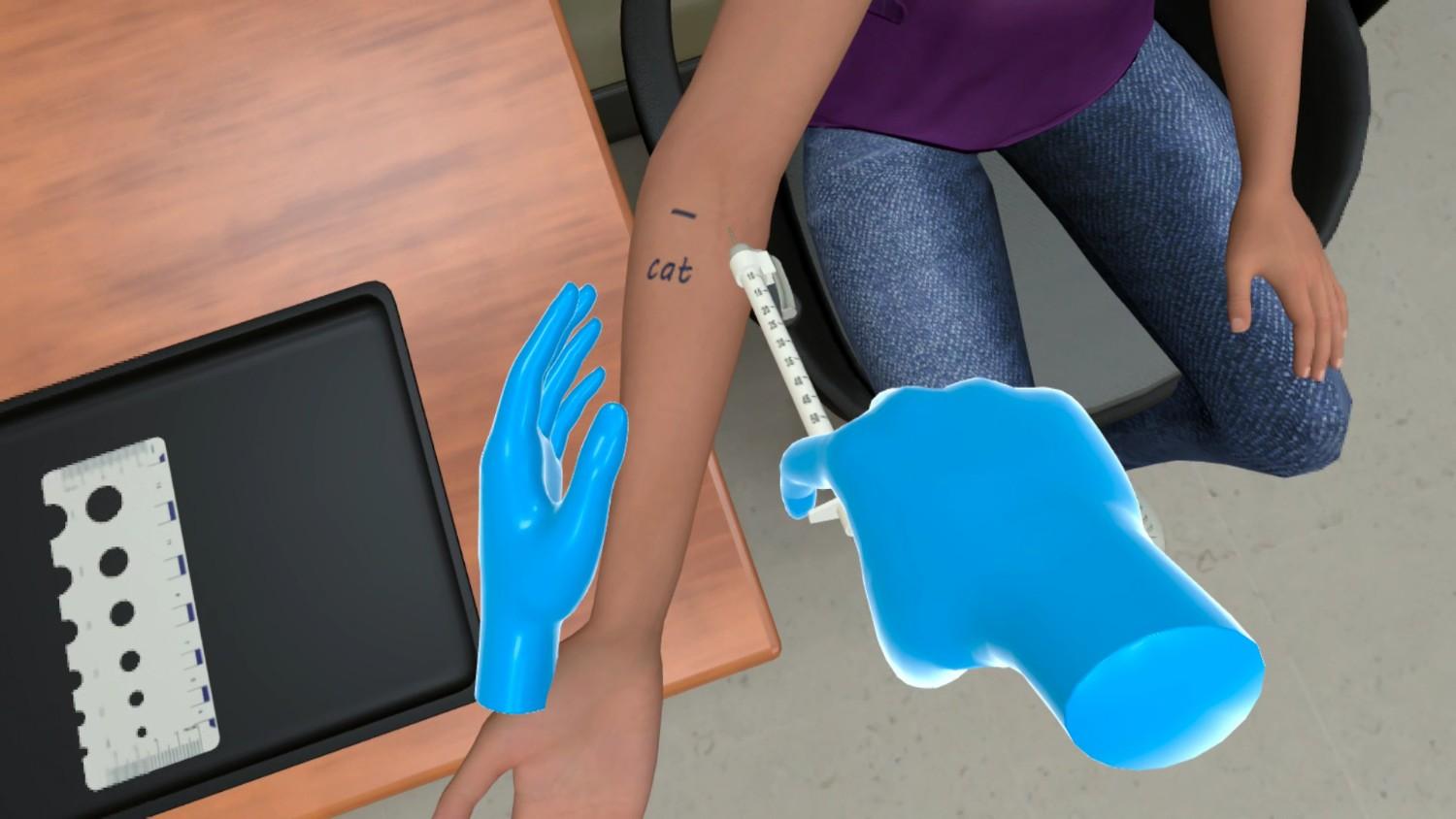
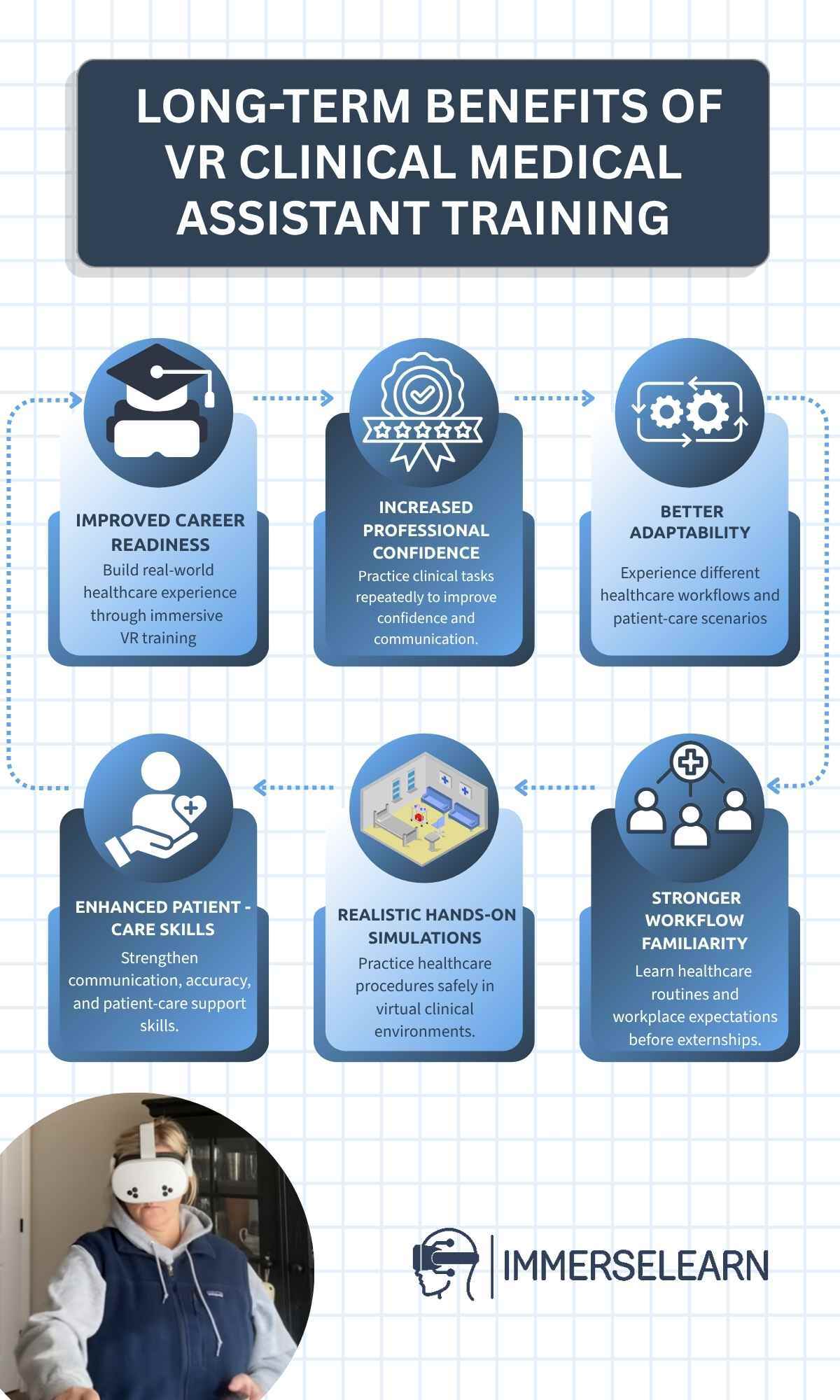
Virtual Reality Clinical Medical Assistant Training helps learners gain practical healthcare experience, improve workflow familiarity, and build confidence before entering real-world healthcare environments. Through immersive healthcare simulations and hands-on healthcare education, learners develop the clinical preparedness and professional skills needed for modern patient-care settings.
i) Improved Career Readiness:
Virtual Reality healthcare training builds clinical confidence, practical experience, and familiarity with healthcare workflows. Immersive simulation-based learning prepares learners for externships, patient-care responsibilities, and fast-paced healthcare environments.
ii) Increased Professional Confidence:
Repeated practice in immersive healthcare simulations helps learners confidently manage patient interactions, clinical procedures, healthcare communication, and workplace responsibilities. This supports smoother transitions into healthcare careers.
iii) Better Adaptability in Healthcare Settings:
Virtual Reality simulations expose learners to different healthcare scenarios, patient-care situations, and clinical workflows. This immersive training improves adaptability to healthcare settings and workplace expectations.
iv) Enhanced Patient-Care Skills:
Strong communication skills, procedural accuracy, and workflow familiarity support better patient-care experiences. Through immersive Clinical Medical Assistant Training, learners strengthen patient interaction skills, clinical professionalism, and healthcare communication for real-world patient-care environments.
The Future of VR in Clinical Medical Assistant Training
The future of Clinical Medical Assistant Training is driven by immersive learning, hands-on skill development, and real-world patient-care readiness. As modern medical settings continue to evolve, employers increasingly expect Medical Assistants to enter externships and professional care facilities with a stronger understanding of patient interaction, administrative workflows, documentation processes, and essential procedural responsibilities.
Virtual Reality simulation-based instruction is transforming how students prepare for allied health careers. Through immersive digital learning experiences and realistic patient-care scenarios, participants build practical experience before entering real medical settings. These controlled learning spaces help strengthen procedural confidence, operational familiarity, and workplace preparedness.
This hands-on educational approach supports faster skill acquisition, stronger job readiness, improved adaptability, and greater confidence in patient-care roles. As immersive technology continues to expand across allied health education, Virtual Reality instruction will play an increasingly important role in preparing future Medical Assistants for modern care delivery and professional workplace expectations.
Why Choose ImmerseLearn for CMA Training
At ImmerseLearn, we help students build real-world patient-care and administrative skills through immersive Virtual Reality simulations. These interactive experiences improve procedural familiarity, professional communication, and workplace readiness. Our Clinical Medical Assistant Training program combines hands-on VR healthcare education with supervised externship opportunities. This allows learners to gain practical healthcare experience before entering real clinical environments.
Through immersive simulation-based learning and career-focused education, we prepare students for modern patient-care environments. Participants strengthen procedural confidence, workflow understanding, and professional skills essential for allied health roles.
Key Features of Our CMA Training Program
- Immersive Virtual Reality healthcare simulations
- Hands-on clinical skill development and patient-care training
- Real-world externship opportunities in professional medical settings
- Career-focused allied health education and workforce preparation
- Professional communication and patient interaction training
- Workplace readiness and operational workflow familiarity
- Career services and employer connection support for healthcare careers
Our program provides practical skill development, real-world medical exposure, and the confidence needed for success in modern patient-care roles. By combining immersive technology with hands-on learning, we help prepare future Clinical Medical Assistants for long-term professional success.
Explore our Clinical Medical Assistant training program for immersive, career-focused healthcare learning.
Frequently Asked Questions
1) How does immersive simulation training support real-world medical preparation?
Ans. Immersive simulation-based instruction helps learners build familiarity with medical workflows, intake procedures, documentation responsibilities, and professional interaction in realistic care settings before externships or employment.
2) Does immersive simulation improve interpersonal skills?
Ans. Yes. Participants practice scenarios involving anxious individuals, repeated concerns, and fast-paced medical situations that require clear, professional interaction and responsiveness.
3) How does immersive simulation support Clinical Medical Assistant Training?
Ans. It allows repeated practice of essential tasks such as vital signs assessment, EKG preparation, intake procedures, and examination room workflows within realistic care environments.
4. Can immersive simulations strengthen professional interaction skills?
Ans. Yes. Simulated scenarios include patient anxiety, procedural explanations before diagnostic procedures, and interaction during busy workflow situations, helping learners improve professionalism and workplace readiness.
Conclusion
Virtual Reality is transforming Clinical Medical Assistant Training by allowing students to practice real-world medical workflows before entering professional care settings. Through immersive simulation-based instruction, participants gain hands-on experience in procedural tasks, patient interaction, medical documentation, intake processes, communication, and day-to-day responsibilities within realistic healthcare scenarios.
This simulation-driven educational approach strengthens procedural confidence, operational familiarity, and workplace preparedness through repeated immersive practice. Participants build practical patient-care experience and stronger readiness for modern medical environments.
At ImmerseLearn, we combine Virtual Reality simulation-based instruction with structured education and supervised externships to deliver immersive learning alongside real-world experience. This career-focused Clinical Medical Assistant Training approach helps create a direct pathway from allied health education to professional practice while preparing students for long-term success in patient-care and medical support careers.