
Plumbing Training – Everything you need to know!
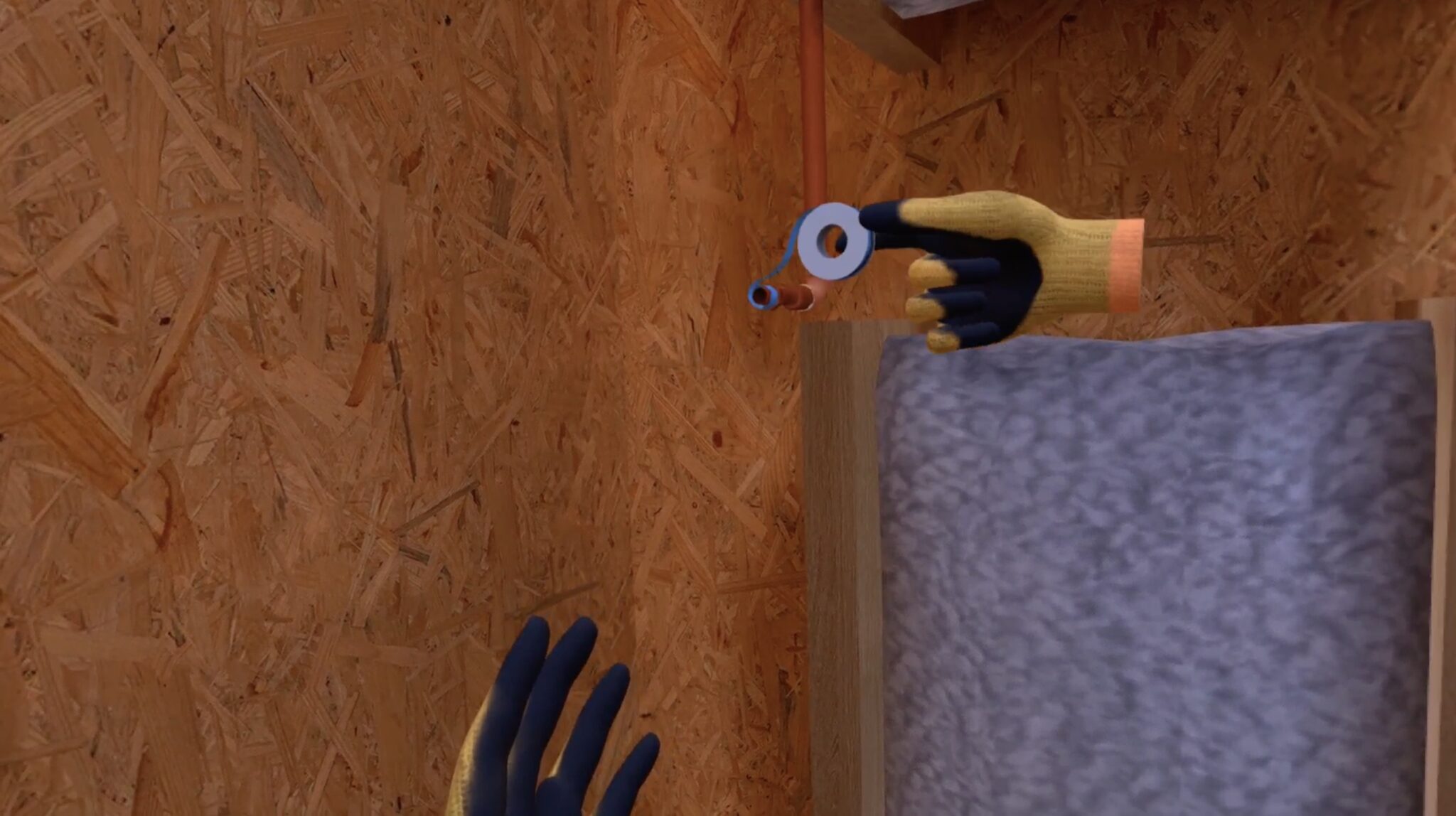
Plumbing is more than fixing leaks—it’s the foundation of safe homes, sustainable buildings, hospitals, and modern industrial systems. As demand grows across renewable energy, skilled trades, and workforce development, Plumbing Training has become a reliable and rewarding career path. Whether you’re entering the skilled trades or enhancing your existing abilities, the right technician program can significantly strengthen your professional growth.
This guide explores essential craft skills, industry certifications, training costs, hands-on practice requirements, and the growing role of VR-based simulations in modern technical education. Through immersive skill-development courses, learners gain job-ready expertise, confidence, and preparation for a future-focused plumbing career.
What is Plumbing Training?
Plumbing Training helps us learn how to install, repair, and maintain essential water, gas, and drainage systems used in homes, commercial buildings, and industrial facilities. It blends foundational theory with hands-on practice so we can understand how these pipefitting systems operate safely, efficiently, and in line with current regulatory standards.
A well-structured skilled-trades program also emphasises industry rules and regulatory requirements, including IPC, UPC, and OSHA guidelines. This ensures we are fully prepared for apprenticeships, certification exams, and licensed technician roles within the skilled plumbing trade.
Who Should Enroll in a Plumbing Program?
Plumbing Training is ideal for anyone seeking a strong, future-ready career in the skilled trades. Learners from various backgrounds choose this path, including:
- Students exploring stable and high-demand skilled trade careers.
- Career changers looking for a practical, growth-oriented profession in building systems and construction services.
- Plumber assistants or helpers aiming to advance into licensed plumbing roles.
- Veterans and returning workers seeking a fast, hands-on pathway back into the workforce.
The right Plumbing Training Program helps us build technical expertise, earn industry-recognized certifications, and step confidently into a rewarding plumbing career that supports long-term workforce needs.
Why Plumbing Skills Matter Today
Strong plumbing skills are more critical than ever, especially in renewable energy, skilled trades, and workforce development sectors that rely on certified, job-ready professionals.
i) Industry Demand & Job Security:
The U.S. plumbing industry, valued at over $169 billion, continues to grow due to new construction, infrastructure upgrades, and maintenance needs. This creates strong, recession-resistant demand for skilled plumbers and long-term career stability.
ii) Safety Standards & Regulatory Compliance:
Modern infrastructure requires strict safety standards. Our Plumbing Training Programs cover IPC, UPC, and OSHA guidelines to ensure safe, compliant, and environmentally responsible installation practices.
iii) Sustainability & Green Technology:
With rising adoption of eco-friendly water systems and smart infrastructure, professionals trained in green technologies are increasingly sought-after. These specialized modules prepare participants to support energy-efficient, sustainable initiatives.
iv) Earnings Potential & Career Growth:
Certified plumbers earn competitive wages and advance rapidly. Specialized Plumbing Courses and Pipefitting Training equip learners to move into supervisory, contractor, and advanced technical roles.
v) Future-Ready Technical Skills:
With the plumbing and water-services market projected to reach $89.8 billion and grow 4.5% annually, modern competencies are crucial. Practical workshops and immersive VR modules provide real-world experience for long-term success in a rapidly evolving industry. (Source: FieldCamp)
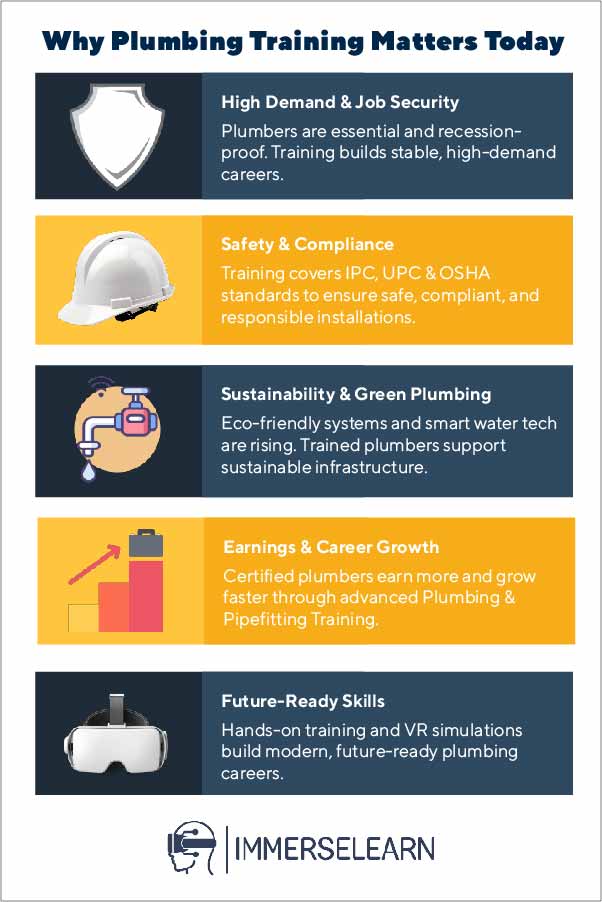
Why plumbing training matters: demand, safety, sustainability, careers.
Key Skills You’ll Gain from Plumbing Training
1) Practical Installation & Repair Skills
Comprehensive Pipefitting Programs provide practical, real-world experience, helping learners develop essential trade competencies, including:
- Installing, repairing, and maintaining pipes of various materials for residential and commercial installations.
- Detecting leaks and troubleshooting plumbing issues across homes, commercial buildings, and industrial networks.
- Following protocols for confined spaces, pressurized setups, and other safety-critical environments.
- Ensuring IPC/UPC code compliance to meet state-specific plumbing regulations and workplace safety standards.
- Installing plumbing fixtures such as toilets, faucets, showers, and water heaters with accuracy and efficiency.
- Managing drainage and venting configurations, including slopes, traps, vents, and cleanouts to ensure proper flow and optimal performance.
2) Planning, Safety & Code Compliance
In Plumbing Training, we gain the planning and regulatory skills needed for safe, compliant, and efficient plumbing projects:
- Code Compliance: Understanding IPC/UPC pipefitting standards, incorporating clearances, pipe sizing, approved materials, and system requirements to meet state and national regulations.
- Workplace Safety: Applying OSHA risk management guidelines, covering PPE usage, ladder protocols, confined space entry, and hot work precautions to protect personnel on job sites.
- Blueprint Interpretation: Reading layouts, riser diagrams, symbols, and detailed pipefitting drawings to ensure accurate project design, installation, and execution.
3) Professional Development & Career Readiness
Ongoing professional growth is a crucial part of pipefitting technician programs, helping participants build confidence, industry-ready competencies, and long-term success in skilled trades:
- Career support: Guidance on resume writing, interview preparation, and job placement assistance for smooth transitions into skilled trades roles.
- Licensing exam preparation: Preparation for state and national certification exams to strengthen eligibility for licensed plumbing positions.
- Workplace communication & teamwork: Focus on clear communication, documentation, and effective collaboration, which is essential for every job site.
- Project estimation & tool management: Programs teach material estimation, timeline management, and proper maintenance of tools for efficiency and accuracy.
Start your Plumbing Training Program today to gain in-demand skills and launch a rewarding plumbing career.
Learn essential plumbing skills: pipefitting, safety, code compliance, and blueprint reading
Types of Plumbing Training Courses
1) Apprenticeship Pathways:
Learn under licensed plumbers with hands-on experience and structured classroom instruction. This pathway provides real-world Plumbing Training, earn-while-you-learn opportunities, and a strong foundation for plumbing certification and skilled trade careers.
2) Trade School & Vocational Training:
Short, industry-focused courses build essential competencies, including tool handling, installation techniques, and safety procedures. Certificates or diplomas help participants confidently enter residential and commercial pipefitting roles.
3) Community College Technical Programs:
Structured programs with labs and expert instructors provide in-depth training on plumbing systems, IPC/UPC codes, layout design, and installation. Completing these courses can lead to certifications or associate degrees for long-term career growth.
4) Advanced Certifications & Specialized Training:
Advanced Plumbing Training allows specialization in gas fitting, green pipefitting, water treatment, and smart water systems. Certifications prepare participants for higher-paying positions and enhance expertise for residential and commercial projects.
Top Plumbing Certifications & Courses
When exploring the best Plumbing Training options, it’s essential to know which certifications build practical skills and advance your career in the skilled trades.
A) Industry-Recognized Plumbing Certifications
- OSHA 10/30 Safety Training: Gain essential job-site safety, tool handling, and hazard prevention skills for Plumbing Training and fieldwork.
- NCCER Plumbing Certification: Validate hands-on pipefitting expertise, technical knowledge, and practical proficiency.
- State or Local Licensing: Complete required training hours and exams to become a licensed journeyman or master plumber.
- IPC/UPC Code Training: Master plumbing code compliance to ensure safe, inspection-ready installations.
B) Course Duration & Training Investment
- Short Courses (3–12 weeks): Beginner-friendly courses teaching pipefitting fundamentals at an affordable cost.
- Certification Programs (3–12 months): Combine theory and practical sessions, preparing participants for job-ready roles.
- Apprenticeships: Earn while learning and complete hours needed for licensing and advanced certifications.
Pro Tip: Choose technician programs with OSHA modules, IPC/UPC code instruction, and practical labs to develop future-ready abilities, increase employability, and secure higher-paying opportunities in modern plumbing.
Read More: How to Become a Certified Plumbing Technician
Online vs Hands-On Plumbing Training
Both Online Plumbing Training and Hands-On Plumbing Training offer unique advantages for learners in skilled trades, workforce
A) Benefits of Online Plumbing Training:
Offer flexibility to study pipefitting theory, safety standards, and IPC/UPC code fundamentals anytime, anywhere. Perfect for beginners and working professionals seeking self-paced, affordable foundational knowledge.
B) Advantages of Hands-On Plumbing Training:
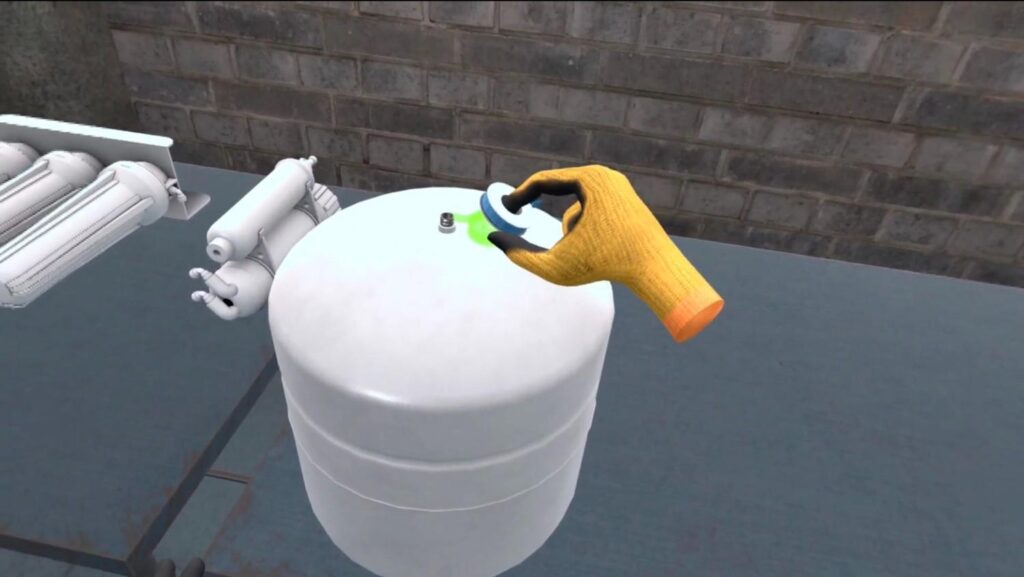
Hands-on experience is crucial. Through apprenticeships, workshops, or VR simulations, participants apply theoretical knowledge, operate tools confidently, troubleshoot real job-site challenges, and develop essential trade competencies.
Combining digital learning with practical sessions delivers optimal results, balancing flexibility with real-world experience. This approach ensures participants meet industry standards and acquire future-ready pipefitting skills.
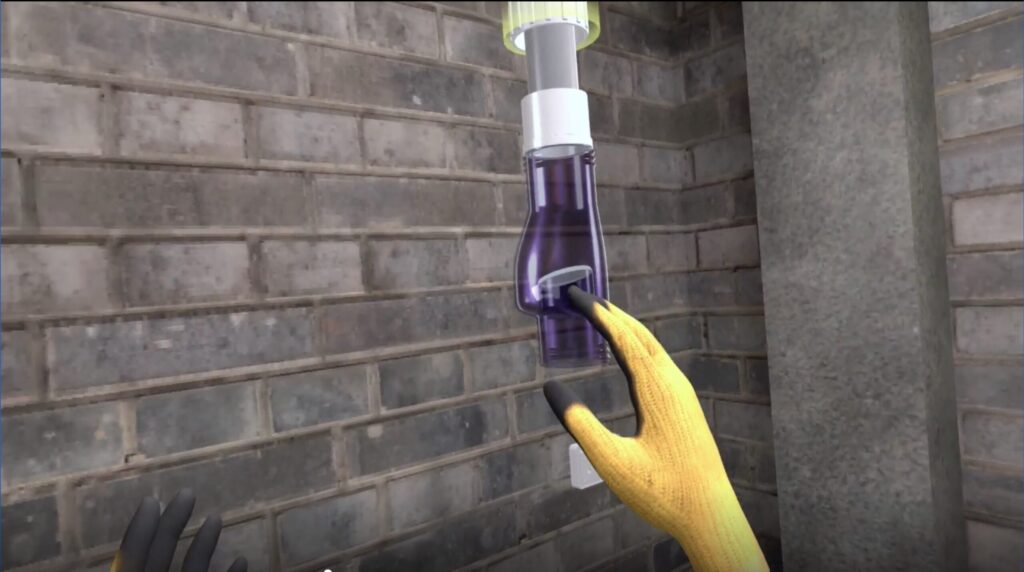
Key skills from pump installation and pipefitting training for careers.
Plumbing Career Path & Opportunities
Plumbing Training offers a structured path in the skilled trades. We start as Helpers or Apprentices, gaining hands-on experience under licensed plumbers. Through field training and certifications, we advance to Journeyman Plumbers, handling installations, repairs, and independent responsibilities.
With growing experience, individuals can progress to Master Plumber or Pipefitting Contractor, leading teams, managing projects, or operating a business. Specializations in green plumbing, gas fitting, water systems, and smart pipefitting technologies open doors to high-paying, expert-level opportunities in the skilled trades and workforce development.
Salary Potential in Pipefitting Careers:
Earning potential rises with skill level, field experience, and advanced technician program certifications:
- Entry-Level (0–2 years): $45,000–$55,000 per year
- Mid-Level (2–5 years): $55,000–$70,000 per year
- Senior-Level / Master Plumber: $75,000–$95,000+ annually
- Business Owner / Contractor: $100,000+ depending on project scope and clients
Structured Plumbing Technician Training builds job-ready skills and ensures long-term career stability in this high-demand, essential trade.
Key Features of Leading Plumbing Training Programs
Choosing the right Plumbing Training program ensures long-term success in the skilled trades. Top programs combine hands-on practice, technical skill-building, and career guidance to prepare participants for roles in residential, commercial, and industrial water system settings.
- Hands-On Labs & VR Simulations: Gain real-world expertise through live tool practice and immersive VR pipefitting simulations, enhancing safety, accuracy, and troubleshooting confidence.
- Safety Training & Plumbing Code Compliance: Learn OSHA safety standards and essential IPC/UPC plumbing codes to meet professional, licensing, and certification requirements.
- Skill Assessments & Expert Feedback: Continuous evaluations, practical tests, and instructor feedback strengthen technical abilities and track progress.
- Career Services & Job Support: Receive career guidance, job search resources, resume support, and industry insights to help prepare for employment opportunities and navigate the transition into the plumbing workforce.
- Flexible Learning Options for Plumbing Trainees: Hybrid, online, and weekend programs provide easy access for beginners and working professionals to upskill in pipefitting and water system management.
These features equip participants with strong technical abilities, industry confidence, and complete job readiness for a successful career in modern pipefitting and water systems.
Master plumbing with VR labs—Enroll in ImmerseLearn’s Plumbing Technician Training today!
Compare Top Plumbing Course Formats
Comparing Plumbing Training formats helps us choose the program that best aligns with our career goals. Short programs build foundational skills quickly, comprehensive curricula provide in-depth technical instruction, and VR-enhanced modules improve hands-on accuracy, safety, and job readiness.
This comparison ensures we select the most flexible, career-focused path for growth in the skilled trades.
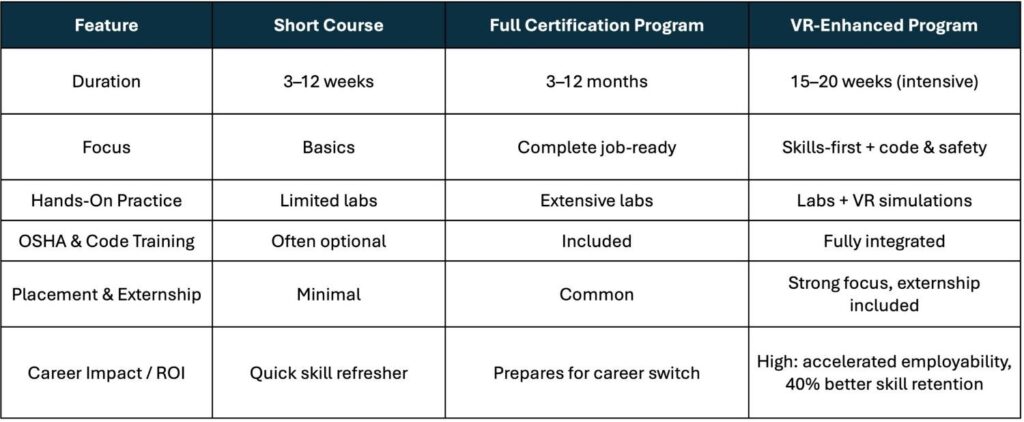
How to Choose the Right Plumbing Training Program
Selecting the right Plumbing Training program is crucial for building a strong skilled trades career. A quality program ensures hands-on skills, industry certifications, and real-world experience for workforce success.
Key Considerations for Learners:
- Accreditation & Industry Recognition: Choose programs accredited by recognized trade authorities for better career opportunities and employer trust.
- Hands-On Learning: Work directly with pipes, fixtures, diagnostic tools, and installations to develop real-world confidence and job-ready water system skills.
- Safety & Code Compliance: Training in OSHA standards and IPC/UPC codes ensures safe, compliant, and professional work.
- Skill Assessments & Simulations: Practical evaluations and VR or simulation-based projects improve accuracy and measure progress.
- Career Services & Job Support: Programs that provide career guidance, job search assistance, resume support, and placement resources can help learners transition more effectively into the workforce.
- Flexible Learning Options: Hybrid, online, and VR-enhanced courses help learners balance work or studies while gaining practical skills.
- Clear Costs & Materials: Transparent tuition, tools, and materials ensure informed investment.
A well-designed program builds technical expertise, hands-on experience, and safety knowledge, preparing learners for a future-ready plumbing career.
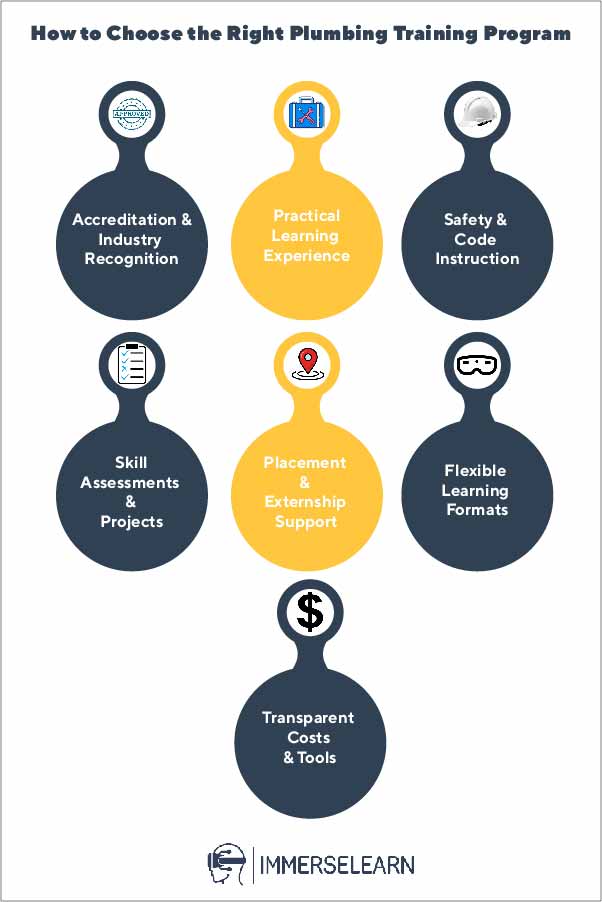
Tips to choose the right plumbing training program: skills, certifications, safety, and career support.
Industry Trends in Modern Plumbing Training
At our plumbing training program, we’ve observed how the field is advancing with VR-based plumber courses, digital simulations, and smart water systems that make hands-on learning more interactive than ever. We also see the rising importance of green plumbing programs as the industry shifts toward eco-friendly and sustainable solutions.
These innovations equip us with future-ready skills by blending technology, sustainability, and practical expertise, ensuring that we, as plumbers, are fully prepared to meet the challenges of modern infrastructure.
Frequently Asked Questions (FAQs)
Q1: What is Plumbing Training and why is it important?
Plumbing Training teaches practical skills like pipe installations, repairs, safety compliance, and system maintenance. It’s essential for certifications and building job-ready skills for a high-demand plumbing career.
Q2: How long does Plumbing Training take?
Basic plumbing courses take 3–12 months, while full apprenticeships or licensing programs last 2–4 years. Online short courses are quicker, but advanced certifications need hands-on practice.
Q3: Is online plumbing education effective?
Absolutely! Online courses cover theory, safety standards, and plumbing fundamentals. When combined with practical labs or virtual simulations, they provide comprehensive, career-ready preparation from anywhere.
Q4: What certifications do I need?
Key credentials include Plumbing Technician Certification, OSHA Safety Training, IPC/UPC Code Certification, and state-approved Journeyman Licensing. Requirements differ by state.
Conclusion: Future-Proof Your Plumbing Career
Modern plumbing extends far beyond simple repairs, focusing on safer, smarter, and sustainable system solutions. Comprehensive Plumbing Training bridges traditional skills with innovation, preparing learners to become future-ready professionals. By mastering OSHA safety standards, IPC/UPC codes, VR simulations, and eco-friendly water system practices, participants acquire the technical knowledge and versatility required to thrive in the evolving skilled trades. The right education provides not only practical abilities but also the readiness to embrace emerging career opportunities.
Which plumbing skill will you master today to shape tomorrow?