Blood Glucose Measurement and Monitoring Training


Credits : 0.3
About the Course:
Blood Glucose Measurement and Monitoring is a fundamental clinical skill that enables Nursing Assistants to monitor blood glucose levels safely and accurately, supporting early detection of abnormal blood sugar levels and effective patient care. In this microcredential, learners develop the knowledge and hands-on skills required to perform capillary blood glucose testing while following patient safety, infection prevention, and standard precaution guidelines.
Through realistic VR simulations, learners progress through the complete blood glucose testing procedure from preparing the environment and verifying patient identity to performing a fingerstick, collecting the blood sample, interpreting the glucose meter reading, and completing post-procedure care. Throughout the experience, emphasis is placed on patient communication, privacy, aseptic technique, and safe handling and disposal of testing equipment.
The course also reinforces clinical best practices by teaching learners how to perform hand hygiene, correctly use personal protective equipment (PPE), prepare and operate a blood glucose meter, obtain an adequate blood sample, recognize patient discomfort, and safely dispose of sharps and contaminated materials. By combining technical proficiency with compassionate patient care, learners gain confidence in performing one of the most common point-of-care diagnostic procedures in healthcare.
Learning Objectives:
- Explain the purpose and clinical importance of blood glucose measurement in patient care.
- Prepare the patient, equipment, and testing area while following infection prevention and standard precautions.
- Verify patient identity and explain the procedure using patient-centered communication.
- Demonstrate proper hand hygiene, PPE use, and safe fingerstick techniques for obtaining a capillary blood sample.
- Operate a blood glucose meter correctly, collect the blood sample, and obtain an accurate reading.
- Complete post-procedure care, safely dispose of sharps and testing materials, and document the procedure according to healthcare protocols.
Learners can also develop related patient-assessment skills through our Manual Blood Pressure Measurement microcredential.
This Blood Glucose Measurement and Monitoring training is delivered through our LMS and is available as both web-based and immersive VR training.

Blood Glucose Measurement and Monitoring Training for Nursing Assistants
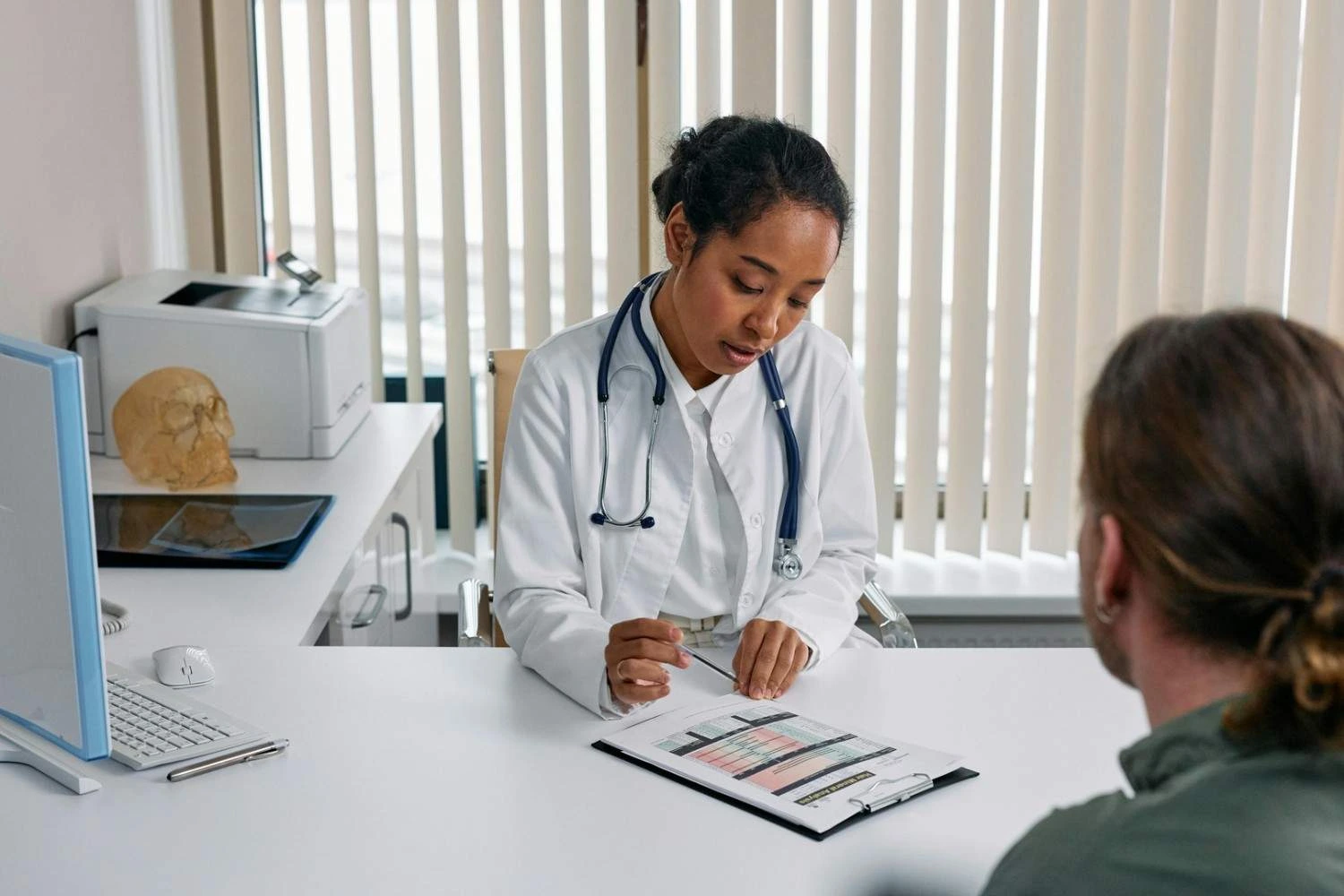
Blood glucose measurement is an essential competency for Nursing Assistants and allied healthcare professionals working in hospitals, outpatient clinics, long-term care facilities, rehabilitation centers, and community healthcare settings. This microcredential provides practical experience in performing point-of-care blood glucose testing while strengthening skills in patient communication, infection prevention, standard precautions, specimen collection, equipment handling, sharps safety, clinical observation, documentation, and professional patient care. These competencies prepare learners to confidently assist healthcare teams in monitoring and managing patients with diabetes and other medical conditions requiring glucose assessment.
Upon successful completion of this microcredential, learners will be able to confidently perform capillary blood glucose measurement while following clinical best practices for patient safety, infection prevention, and accurate specimen collection. They will demonstrate proficiency in patient preparation, communication, identity verification, glucose meter operation, fingerstick technique, specimen collection, sharps safety, post-procedure care, and documentation skills essential for Nursing Assistants and other allied healthcare professionals.
Build broader patient-care and clinical skills through our Online Nursing Assistant Training program.