
Diagnosing and Replacing Thermocouple Training


Credits : 0.3
About the Course:
This Diagnosing and Replacing Thermocouple microcredential trains HVAC technicians to safely diagnose, test, remove, and replace thermocouples in gas-fired heating systems. Learners gain hands-on practice identifying thermocouple failures through inspection and ignition testing, followed by correct removal and installation procedures. This HVAC thermocouple diagnosis and replacement training builds practical, hands-on furnace service skills. The course emphasizes safety, accuracy, and proper verification to ensure reliable furnace operation and consistent pilot flame performance.
Learning Objectives:
-
Identify common signs of thermocouple failure, such as weak pilot flame, flame drop-out, or no ignition.
- Safely shut down power and gas supply before inspection or replacement.
- Test thermocouple operation through cleaning, reconnection, and ignition checks.
- Remove faulty thermocouples using proper tools and procedures.
- Install and secure a new thermocouple correctly to prevent leaks or ignition issues.
- Verify proper system operation by confirming a stable pilot flame and furnace startup.
To practice a related flame safety repair, see our flame sensor diagnosis and replacement training, or build toward an HVAC career with our HVAC Technician program.
This Diagnosing and Replacing Thermocouple training is delivered through our LMS and is available as both web-based and immersive VR training.
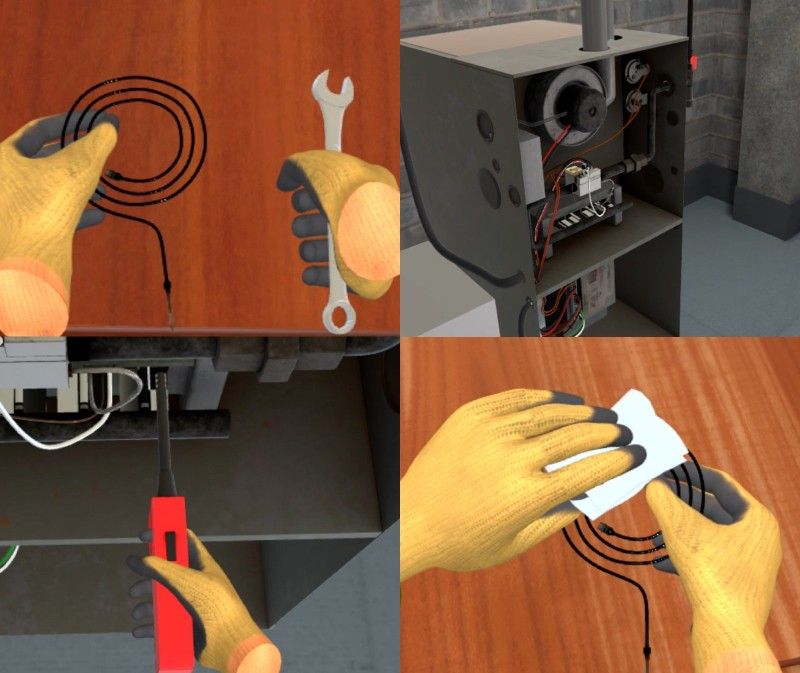
Diagnosing and Replacing Thermocouple Training for HVAC Technicians
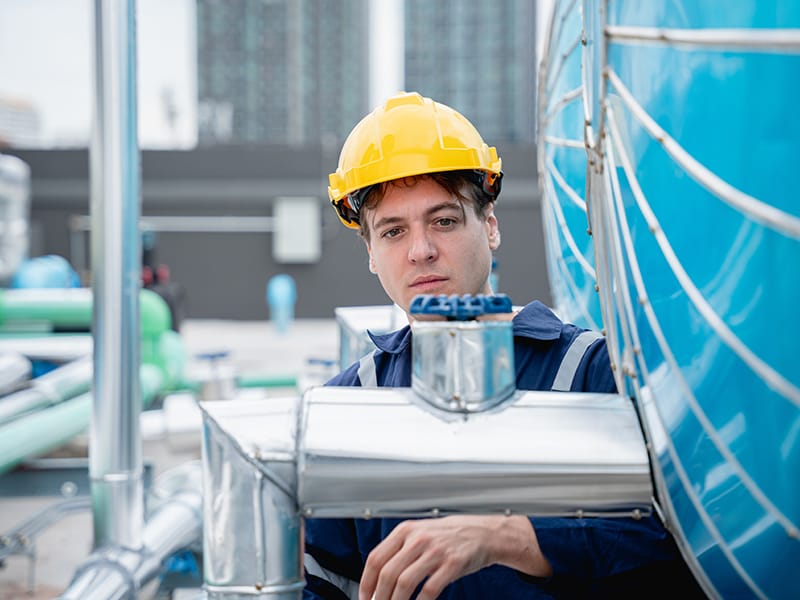
At ImmerseLearn, we prepare HVAC technicians to perform critical gas-system service tasks with confidence. This microcredential focuses on safe handling, diagnostic precision, and correct replacement techniques that mirror real-world service calls.
How this course strengthens workforce skills:
By completing this microcredential, HVAC technicians will build the practical skills required to diagnose, replace, and verify thermocouples safely and effectively, ensuring dependable furnace operation and improved system reliability in real-world service environments.