
Washer Disinfector Procedures Training


Credits : 0.2
About the Course:
The Washer Disinfector Procedures microcredential equips learners with essential knowledge and practical skills required to safely operate washer disinfectors used in sterile processing departments. Through immersive VR simulations, learners will practice standardized cleaning and disinfection procedures for surgical instruments, trays, and reusable medical devices while following infection prevention and sterilization protocols.
The course emphasizes proper loading techniques, cycle selection, equipment inspection, cleaning verification, and adherence to regulatory standards to ensure effective decontamination and safe instrument reprocessing within healthcare environments.
Learning Objectives:
- Explain the role of washer disinfectors in instrument decontamination and infection prevention.
- Identify the components, functions, and operating principles of washer disinfector equipment.
- Differentiate between cleaning, disinfection, rinsing, drying, and inspection procedures used in sterile processing.
- Perform step-by-step washer disinfector operations using web-based and immersive VR scenarios for medical instruments and trays.
- Apply proper loading, unloading, sorting, and cycle selection techniques to ensure effective cleaning and disinfection.
- Follow infection control guidelines, safety procedures, and regulatory standards related to washer disinfector operations.
- Recognize factors that may compromise cleaning effectiveness, including incorrect loading, equipment malfunction, and handling errors.
To review the manual steps that come before automated cleaning, see our cleaning and decontamination training.
This Washer Disinfector Procedures training is delivered through our LMS and is available as both web-based and immersive VR training.
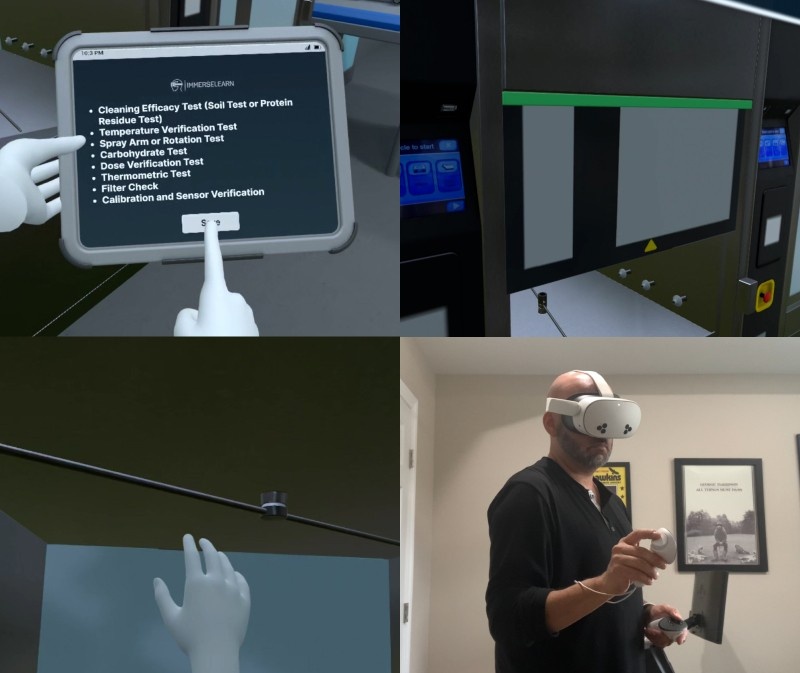
Washer Disinfector Procedures Training for Sterile Processing Technicians
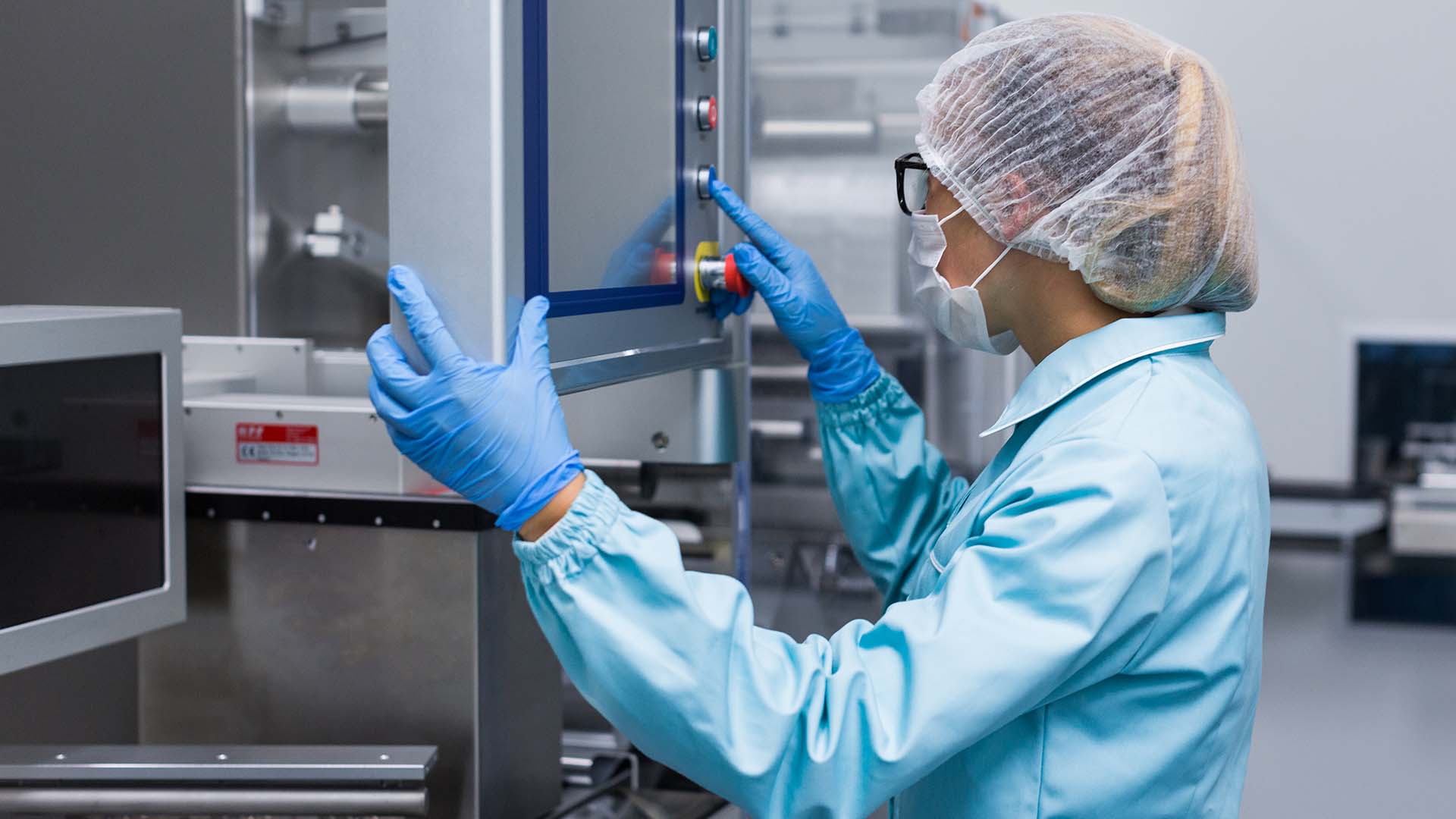
At ImmerseLearn, we prepare Central Sterile Technicians to safely and effectively operate washer disinfectors while maintaining strict infection control and sterilization standards. This microcredential strengthens learners’ ability to ensure proper instrument decontamination, reduce contamination risks, and support safe sterile processing workflows in healthcare environments.
By completing this microcredential, learners will gain the skills and confidence to safely operate washer disinfectors, perform effective instrument decontamination procedures, and maintain compliance with industry standards while supporting patient safety and infection prevention.