
How to Diagnose and Replace HVAC Sequencers
Introduction:
In modern heating systems, electrical components must operate in a precise sequence to ensure safe, efficient, and reliable performance. One of the most critical and often overlooked components in electric furnaces and heat pump air handlers is the sequencer. When we talk about diagnosing and replacing sequencers, we are referring to a core HVAC troubleshooting skill that directly impacts system safety, heating efficiency, and overall equipment performance.
Sequencers regulate the staged activation of heating elements and blower motors, preventing sudden electrical surges and uneven load distribution. When a sequencer fails, it can lead to overheating, short cycling, inconsistent heating, or complete system failure. As HVAC technicians working in the skilled trades industry, we must understand how to identify electrical faults, perform accurate electrical diagnostics, and safely replace defective furnace components to maintain system reliability.
Developing expertise in diagnosing and replacing sequencers not only strengthens our HVAC troubleshooting capabilities but also enhances our confidence when handling electric furnace repairs and heating system maintenance in real-world service environments.
What Is Diagnosing and Replacing Sequencers in HVAC?
Diagnosing and replacing sequencers refers to the process of identifying electrical timing faults in heating systems and installing a properly rated replacement when necessary. As HVAC professionals working in the skilled trades industry, we rely on accurate electrical diagnostics to determine whether a sequencer is functioning correctly within an electric furnace or heat pump air handler.
A sequencer is an electrical switching device designed to activate heating elements in stages rather than all at once. This staged activation prevents sudden electrical surges, balances amperage draw, and distributes electrical load evenly across the system. In electric furnaces, sequencers control the timing of heating elements and blower motor operation, ensuring that components turn on and off in a safe, controlled sequence that supports overall heating system efficiency.
Common signs of sequencer failure include:
- Heating elements not turning on
- Blower motor running continuously
- System short cycling
- Uneven heating performance
- Burnt or damaged wiring near the sequencer
When diagnosing and replacing sequencers, we must follow a structured HVAC troubleshooting process. This includes testing voltage with a multimeter, inspecting terminals for damage, checking continuity across contacts, and verifying proper timing of staged heat activation. Accurate diagnosis prevents unnecessary furnace component replacement, reduces system downtime, and ensures safe, reliable heating system operation.
.jpg)
Why Diagnosing and Replacing Sequencers Matters for HVAC Technicians
In the HVAC industry, electrical diagnostics is one of the most in-demand service skills. Customers rely on us to resolve heating system issues quickly, safely, and efficiently, especially during peak winter seasons when system reliability is critical. That is why diagnosing and replacing sequencers plays such an important role in professional HVAC troubleshooting and electric furnace repair.
When we master diagnosing and replacing sequencers, we strengthen several core job responsibilities that define a skilled HVAC technician:
1) HVAC Electrical System Troubleshooting:
We must interpret wiring diagrams, measure voltage accurately, test continuity, and evaluate overall component function. Because sequencer faults often resemble other electrical problems, careful testing and structured diagnostics are essential for identifying the true cause of system failure.
2) Electric Furnace and Heating System Repair:
Electric furnaces depend on properly functioning sequencers to manage staged heat activation. A malfunctioning sequencer can cause overheating, uneven heating, or complete system shutdown. By performing accurate furnace diagnostics and replacing defective components correctly, we restore heating performance and prevent further damage to critical HVAC system components.
3) HVAC Electrical Safety and Code Compliance:
Improper installation or misdiagnosis can result in electrical hazards, equipment failure, or code violations. Through precise diagnosing and replacing sequencers, we ensure safe system operation, maintain compliance with electrical standards, and protect both ourselves and the customers we serve.
4) Building Customer Trust Through Accurate HVAC Diagnostics:
When we confidently explain electrical faults, perform reliable heating system repairs, and deliver consistent results, we build long-term trust. Strong HVAC troubleshooting skills not only improve system performance but also enhance our professional credibility within residential and commercial service environments.
Because sequencers are directly connected to broader electrical diagnostics, heating system maintenance, and overall HVAC system performance, this skill forms a foundational part of advanced service work in the skilled trades industry.
Virtual Reality Training for Diagnosing and Replacing Sequencers
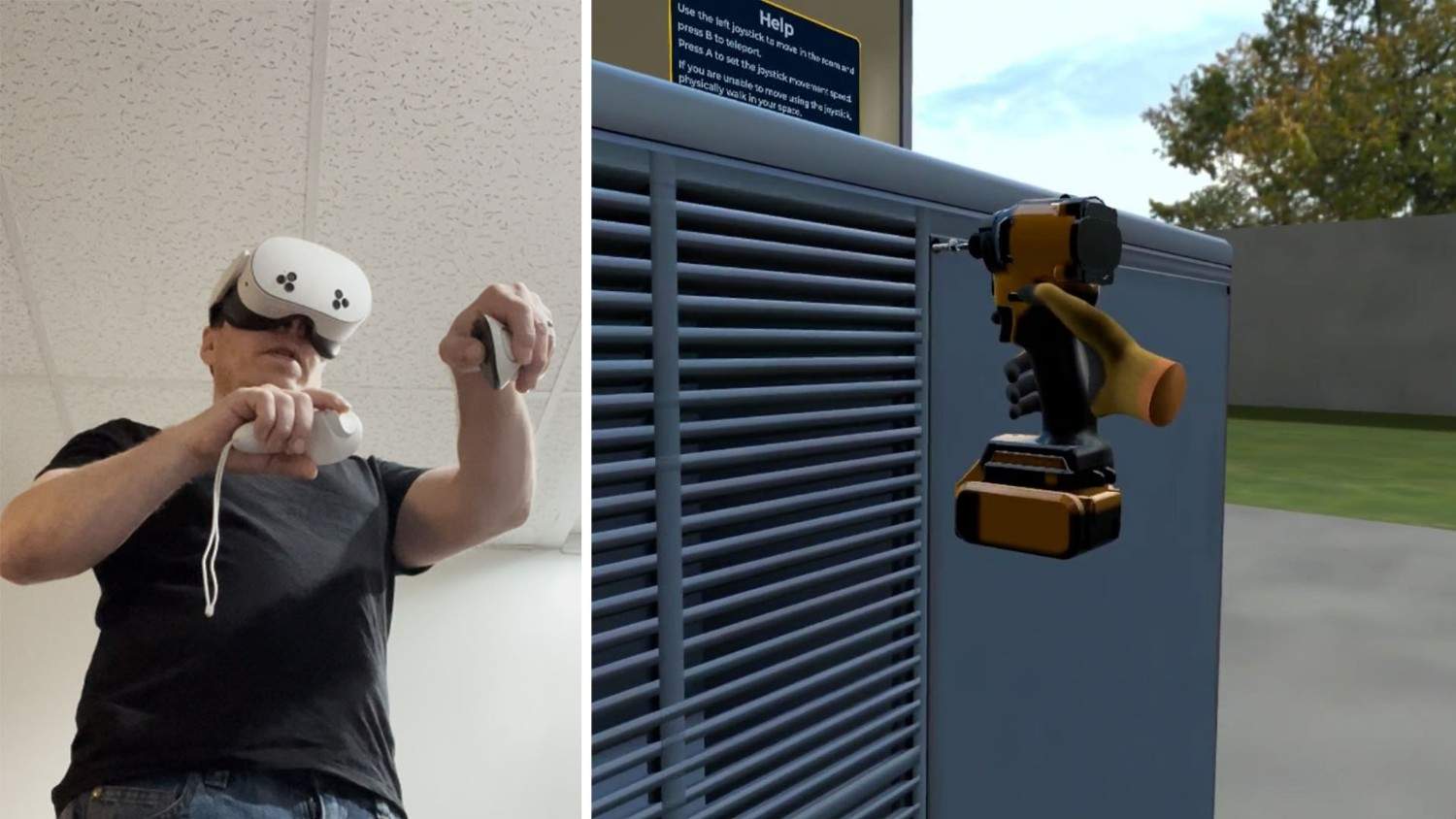
Hands-on learning is essential in HVAC training, especially when developing expertise in diagnosing and replacing sequencers. Reading about electrical diagnostics alone is not enough. As technicians in the skilled trades industry, we must physically interact with HVAC system components, testing tools, and wiring configurations to build real confidence in electric furnace troubleshooting.
At ImmerseLearn, we follow the philosophy Learn, Practice, Succeed – All in VR. Our HVAC Technician program uses immersive virtual reality (VR) training to simulate real heating systems, electric furnaces, and live service call scenarios. This approach allows us to practice diagnosing and replacing sequencers in a controlled yet highly realistic environment.
1) Realistic HVAC System Simulation Training:
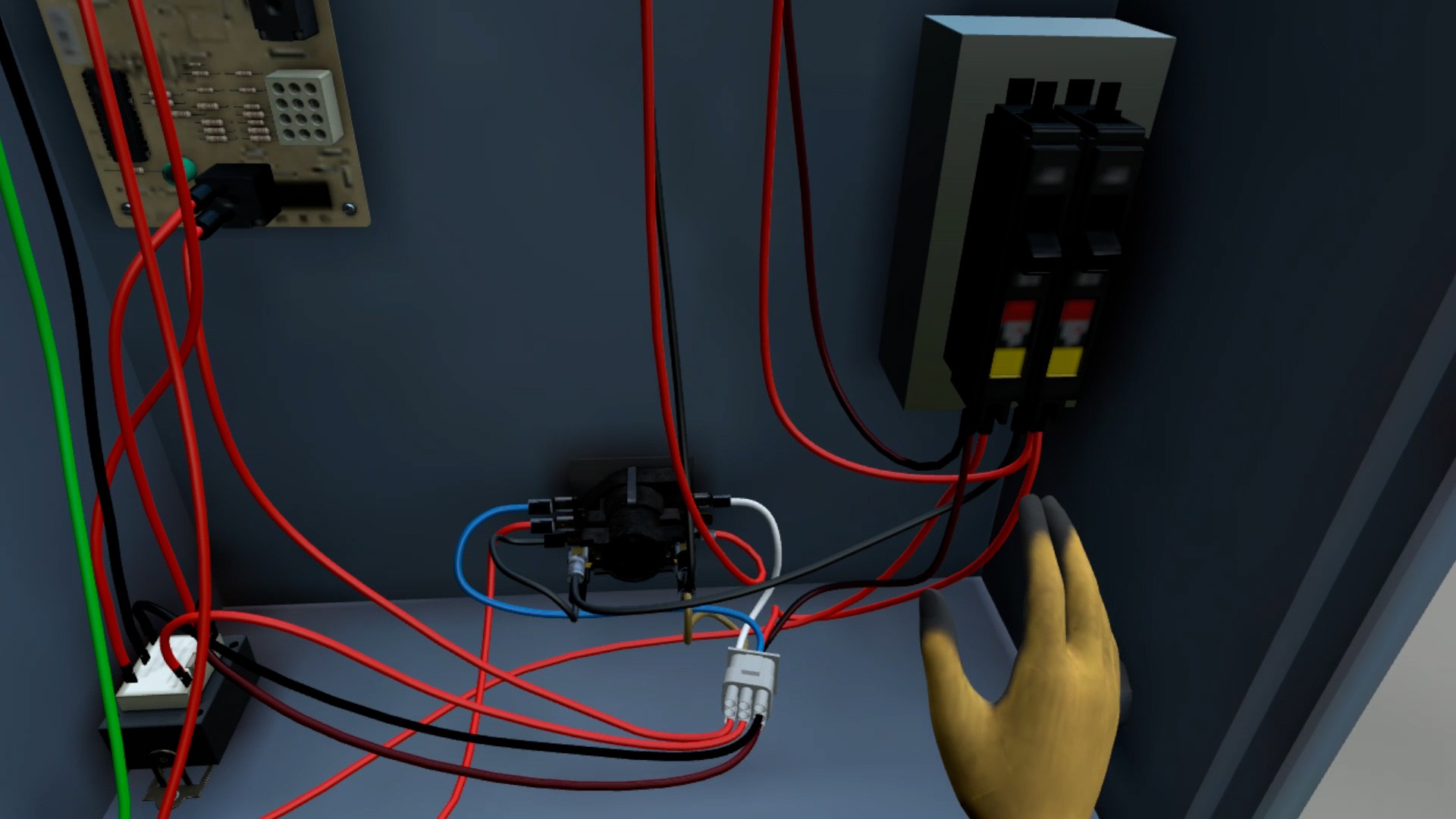
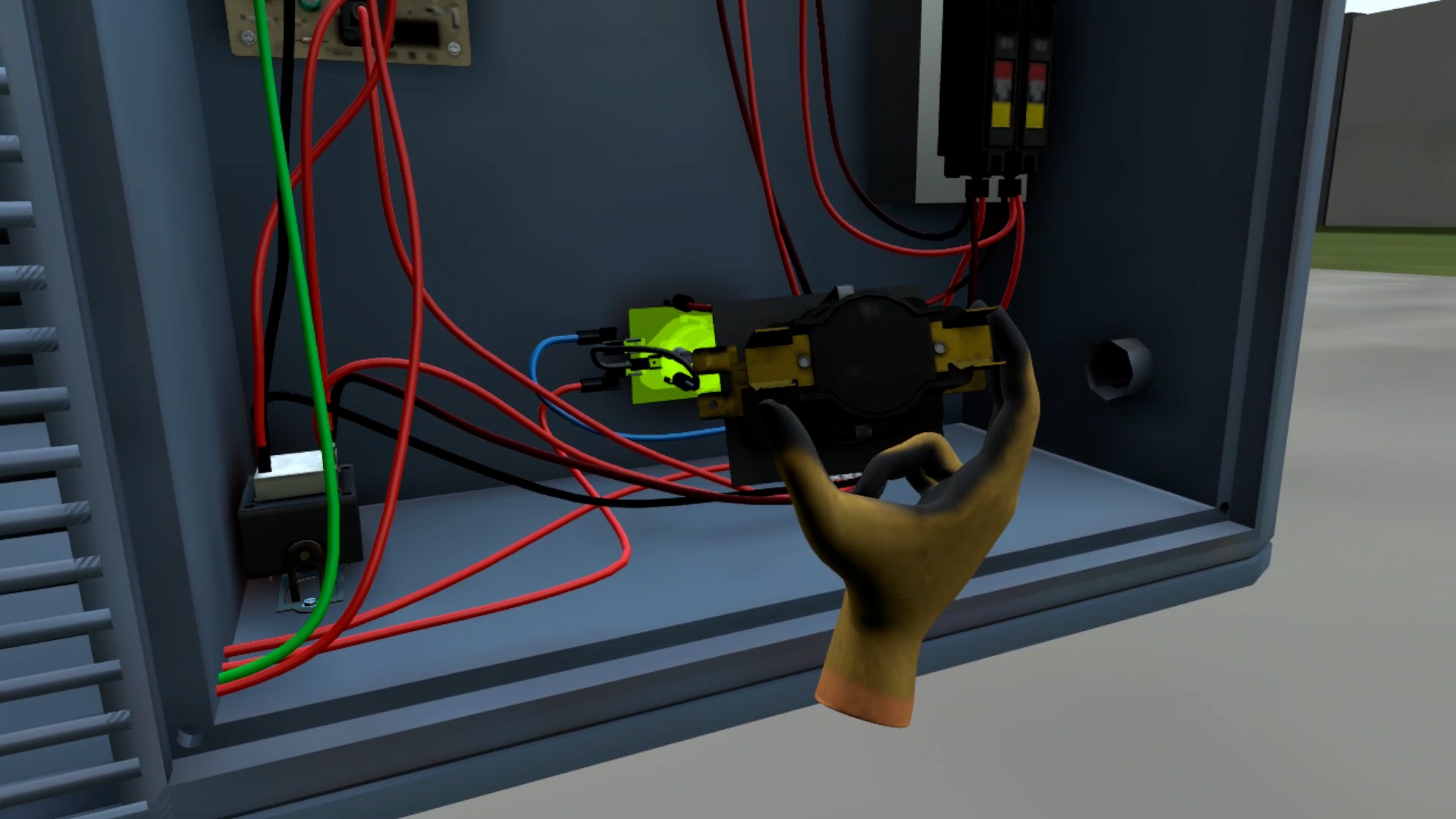
Inside the interactive VR environment, we work with detailed simulations of electric furnaces and air handling units. We identify sequencer locations, examine wiring diagrams, inspect terminal connections, and observe system behavior under fault conditions. This exposure strengthens our understanding of HVAC electrical diagnostics and heating system performance
2) Guided Electrical Testing and Multimeter Practice:
Through guided virtual practice, we perform essential troubleshooting steps such as:
- Using a multimeter to measure voltage
- Checking continuity across sequencer terminals
- Identifying burnt contacts and damaged electrical components
- Verifying correct heating element staging and timing
Repeated practice helps us refine our HVAC troubleshooting techniques and reinforces safe electrical procedures.
3) Safe Virtual Environment for HVAC Electrical Practice:
Electrical work in heating systems involves high voltage and potential safety risks. Virtual reality training provides a safe practice environment where we can make mistakes, correct them, and repeat the process without real-world consequences. This improves accuracy, strengthens diagnostic skills, and reduces uncertainty when transitioning to actual job sites.
4) Reinforcing HVAC Troubleshooting Skills:
Confidence in diagnosing and replacing sequencers develops through repetition. By performing sequencer testing, electrical continuity checks, and component replacement procedures multiple times, we build muscle memory and technical precision.
By the time we complete the VR modules, we not only understand how to replace a faulty sequencer, but also why the failure occurred and how it impacts overall HVAC system efficiency and heating performance.
Real-World HVAC Externship and Field Experience
While virtual reality training builds a strong foundation, our development in diagnosing and replacing sequencers continues through real-world externship experience. After training in simulated HVAC environments, we transition into active service settings where we apply electrical diagnostics and HVAC troubleshooting in practical conditions.
During externships, we assist experienced HVAC technicians on live job sites, observe electric furnace repair and heating system troubleshooting, apply electrical diagnostics in residential and commercial environments, and perform safe component replacement under supervision. This hands-on exposure strengthens our understanding of diagnosing and replacing sequencers in real HVAC systems.
Moving from simulation to fieldwork exposes us to varied system configurations, complex wiring layouts, and real customer situations while preparing us for industry pace and safety standards. By refining electrical testing accuracy and hands-on heating system repair skills, we build the confidence to perform HVAC electrical diagnostics and sequencer replacement effectively.
By combining structured field exposure with immersive training, ImmerseLearn ensures we are job-ready and prepared for professional HVAC service work.
HVAC Career Development and Job Placement Support
Building expertise in diagnosing and replacing sequencers is essential, but technical skill alone does not guarantee success in the HVAC industry. As we enter the skilled trades workforce, career readiness, industry awareness, and employer connections are equally important.
The HVAC Technician program combines technical training with structured career and job placement support to help us transition into full-time employment. Alongside mastering electrical diagnostics, heating system repair, and HVAC troubleshooting, we receive guidance that strengthens our professional profile within the renewable energy and mechanical services sectors.
Support services include:
- Resume development tailored to HVAC and skilled trades careers
- Interview preparation focused on technical competency and problem-solving
- Employer connections within the HVAC industry
- Guidance on long-term career pathways in heating, ventilation, and air conditioning
When we demonstrate competence in diagnosing and replacing sequencers, performing electrical diagnostics, and troubleshooting electric furnace systems, we stand out as workforce-ready HVAC technicians. Skills-focused HVAC training paired with structured job placement support can lead to long-term career growth in residential, commercial, and industrial heating and cooling environments.
Why Choose ImmerseLearn for HVAC Technician Training
When we are serious about building expertise in diagnosing and replacing sequencers and advancing in the HVAC industry, the quality of our training matters. ImmerseLearn delivers workforce-focused education designed specifically for modern skilled trades and renewable energy careers.
The HVAC Technician program is structured to help us develop strong foundations in electrical diagnostics, HVAC troubleshooting, and heating system repair through practical, skill-based learning.
Key strengths of the program include:
- Immersive VR-based hands-on training for real-world HVAC scenarios
- Realistic electrical diagnostics and HVAC system simulation
- Structured externship opportunities for field experience
- Short-term, skills-focused technical education
- Career coaching and employer connections within the HVAC industry
- Emphasis on confidence, accuracy, and workplace readiness
Rather than only studying theory, we actively interact with HVAC systems, practice diagnosing and replacing sequencers, perform electrical testing, and troubleshoot electric furnace components in environments designed to mirror real job settings. This approach strengthens both technical knowledge and practical problem-solving ability.
By combining simulation-based learning with real-world application, we prepare ourselves to enter the skilled trades workforce with confidence and job-ready HVAC technician skills.
Build real-world HVAC repair skills. Explore our HVAC Technician Training Program.
Conclusion:
Diagnosing and replacing sequencers is a critical skill for HVAC technicians working with electric heating systems. Because sequencers control the timing, staging, and safety of heating elements, even minor failures can lead to electrical faults or system shutdown. Accurate sequencer diagnostics require precision and a strong understanding of HVAC electrical systems.
By strengthening our expertise in HVAC troubleshooting, electric furnace repair, and safe component replacement, we are better prepared to handle complex service calls in residential and commercial environments. Hands-on training and field experience turn technical knowledge into real-world capability.
If you’re pursuing HVAC technician training, are you developing the practical skills needed to confidently diagnose and replace sequencers in the field?