

VR Training That Helps Sterile Processing Technicians Learn Faster
Introduction:
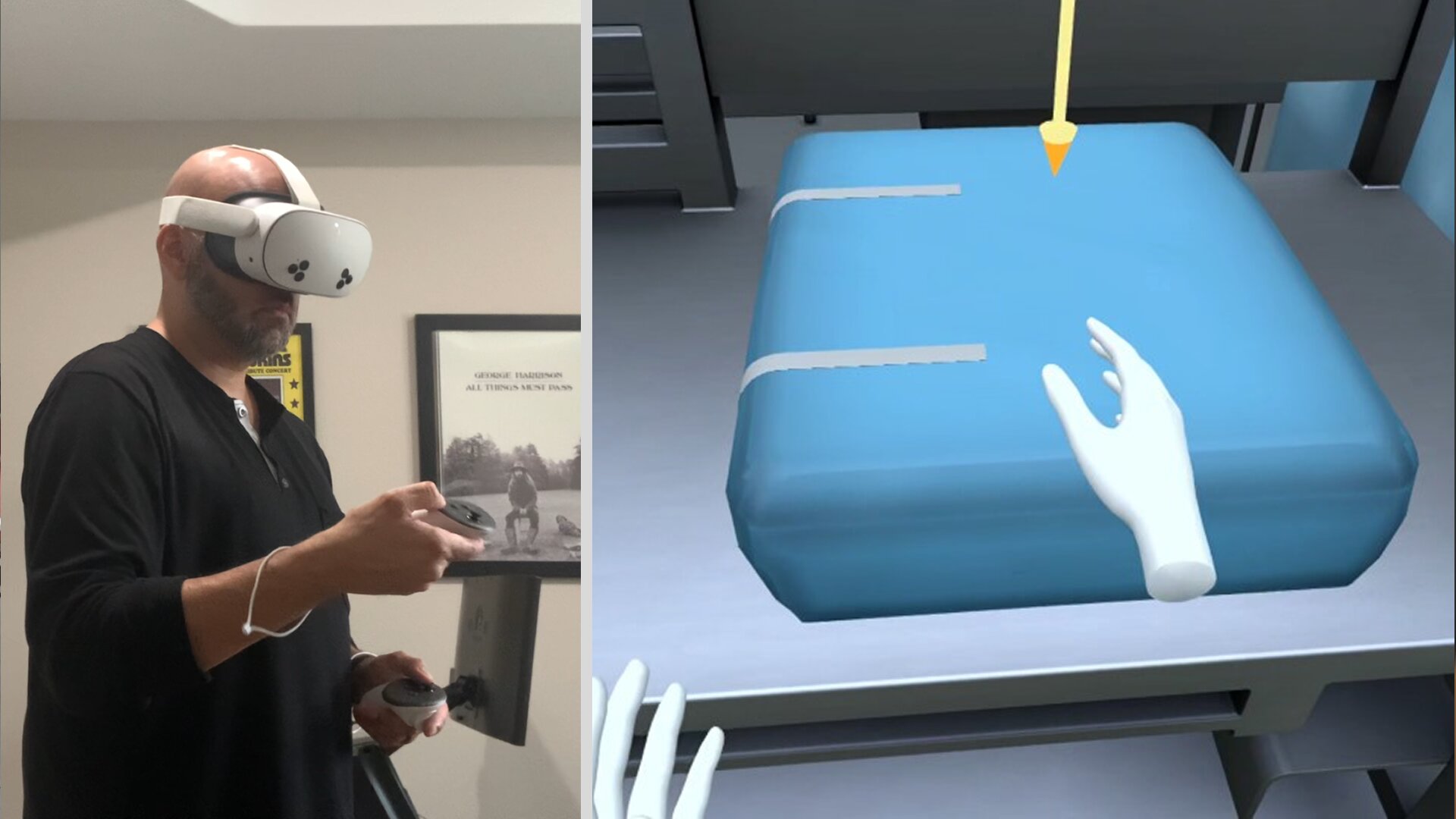
VR training helps sterile processing technicians learn faster through hands-on practice instead of passive learning. It builds workflow familiarity, muscle memory, and clinical confidence. In sterile processing, tasks like instrument decontamination, sterile packaging, tray assembly, and sterilizer loading must follow strict workflows to support patient safety and infection control.
Many learners still rely on textbooks, recorded videos, and written tests. While these methods teach theory, they often lack real hands-on experience. As a result, many learners understand the steps but feel unprepared in real healthcare environments.
VR simulation helps close this learning gap by giving learners a safe and repeatable way to practice sterile processing procedures before entering clinical settings.
In this guide, we explain how VR training works, what learners practice in simulations, and how immersive healthcare training improves skill development, workflow accuracy, knowledge retention, and clinical confidence faster than passive learning alone.
Why VR Speeds Up Sterile Processing Learning
- Virtual reality (VR) training builds procedural memory through hands-on learning instead of passive reading.
- Sterile processing workflows require repetition, correct sequencing, and real-time accuracy.
- VR simulation helps learners apply workflows in a realistic healthcare environment instead of only studying them theoretically.
- VR-based training improves workflow familiarity, skill retention, and clinical confidence
- Learners can safely perform decontamination, sterile packaging, sterilization procedures, and instrument handling in a simulated environment.
- Repeated simulation-based sessions strengthen muscle memory and reduce learning anxiety before externships and clinical training.
- Simulation-based learning helps sterile processing students develop job-ready skills faster and build stronger confidence in healthcare settings.
What Students Practice in VR Simulation
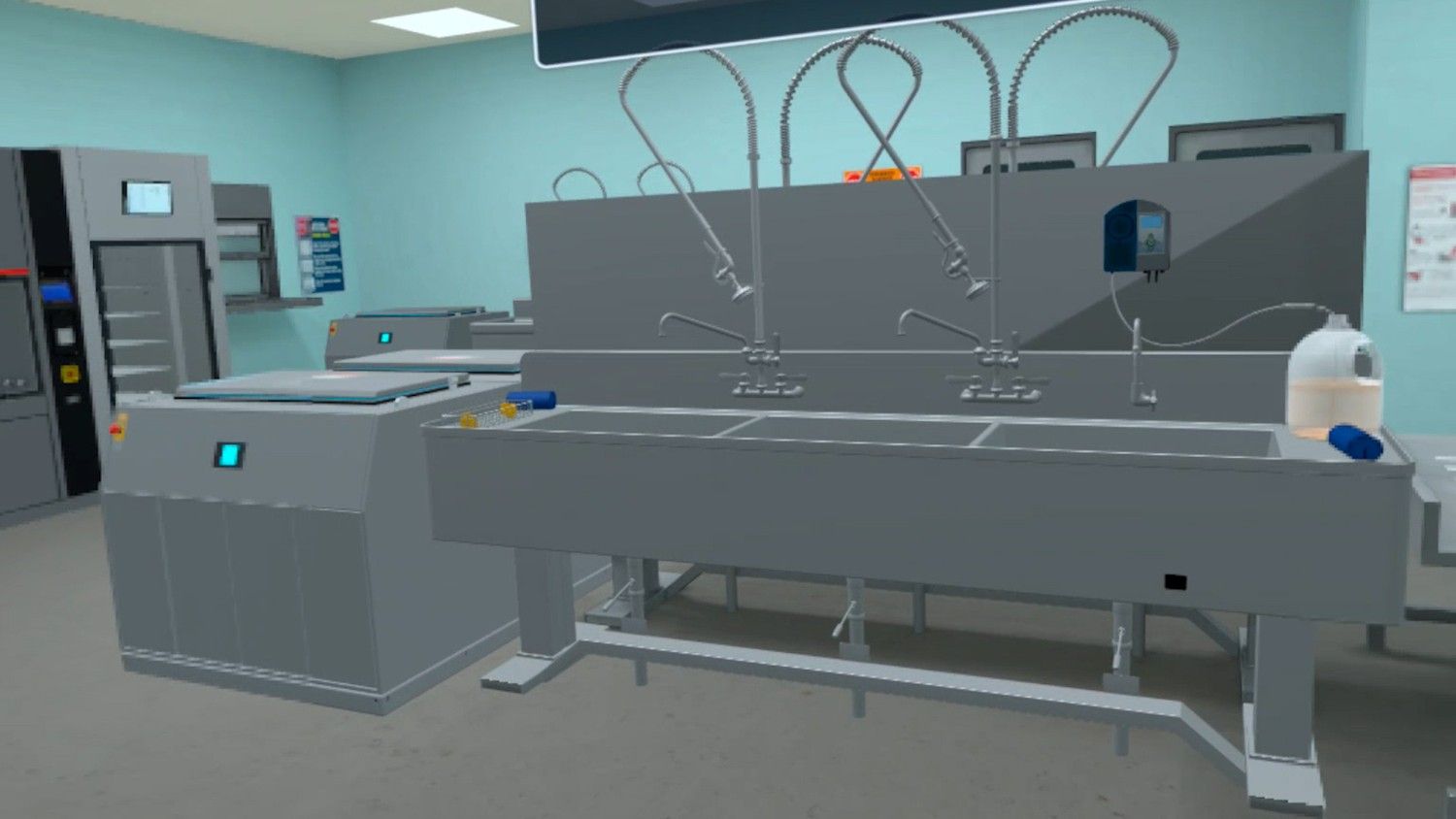
VR simulation helps trainees develop skills in decontamination, sterilization, sterile packaging, and infection prevention before entering real clinical environments.
A) Decontamination & Infection Control Practice:
Trainees begin in the decontamination area. They perform PPE protocols, instrument cleaning, contamination control, rinsing, drying, and infection prevention workflows in a realistic sterile processing environment.
Instead of only memorizing procedures, participants repeatedly carry out these workflows through hands-on VR simulation training. This improves procedural accuracy, workflow familiarity, and understanding of CDC and OSHA safety standards.
B) Sterile Packaging & Storage Workflows:
After cleaning and inspection, participants work on:
- Surgical tray preparation
- Sterile packaging techniques
- Sterilization indicator placement
- Labeling and documentation
- Sterilizer loading and cycle selection
- Sterile storage procedures
VR simulation helps learners build familiarity with sterilization systems, strengthen workflow accuracy, and improve clinical confidence before real healthcare training.
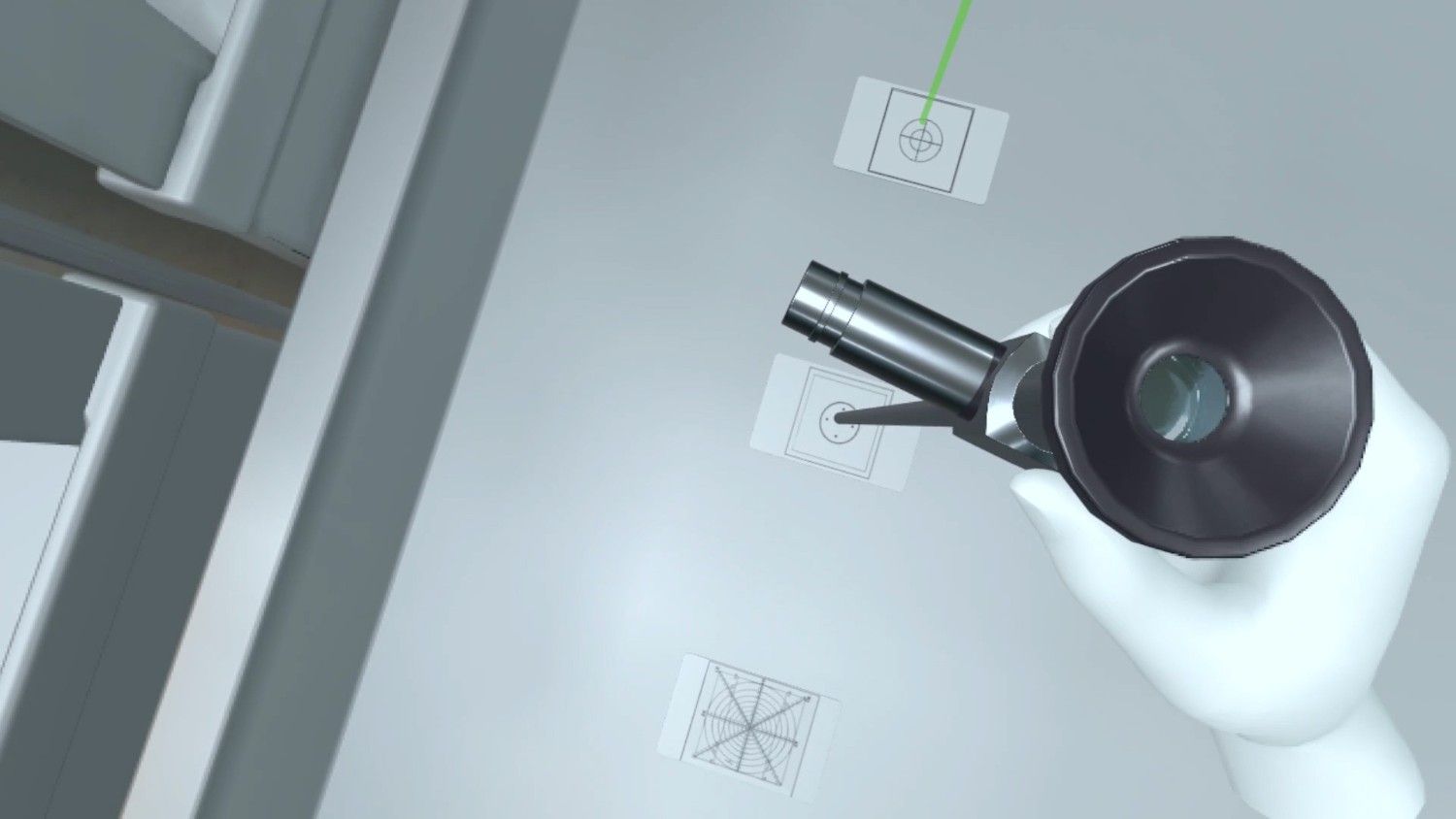
Learn the core skills needed for sterile processing and surgical instrument handling in modern healthcare environments.
C) Compliance Training in VR:
VR training integrates CDC, OSHA, and AAMI sterilization standards into hands-on workflows. Instead of memorizing safety checklists, learners actively practice infection control and sterilization procedures through immersive healthcare simulation.
This hands-on training improves workflow accuracy, knowledge retention, and clinical readiness.
How Repetition Builds Clinical Confidence
Many sterile processing students understand the steps but still lack confidence in real workflows. VR simulation allows learners to repeatedly practice decontamination, sterile packaging, sterilization procedures, and instrument handling before entering clinical environments.
For example, learners can practice surgical tray assembly and sterilizer loading multiple times in VR simulation before working in a real sterile processing department. This repeated practice improves workflow familiarity, reduces hesitation, and builds stronger clinical confidence.
6 Ways VR Improves Sterile Processing Training
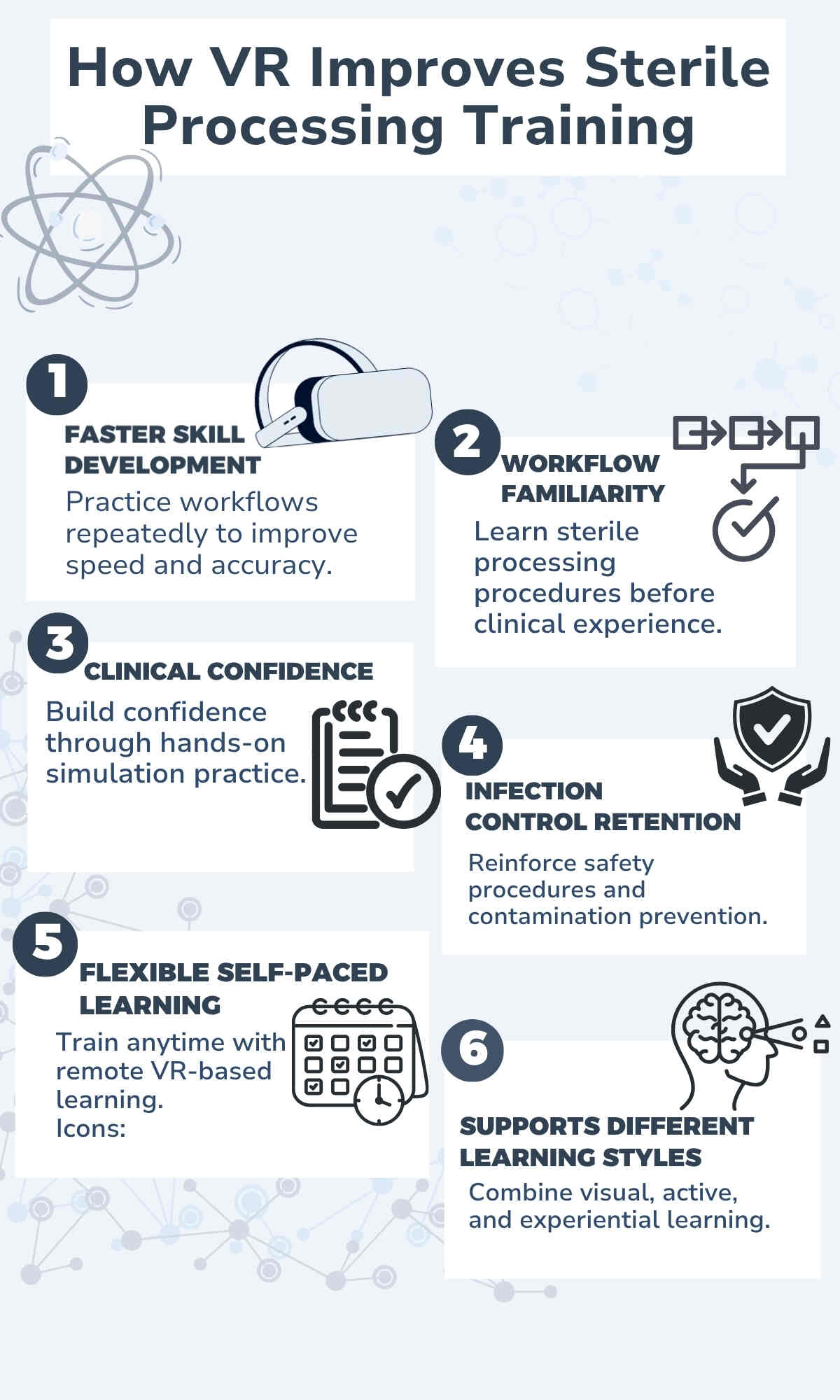
VR simulation helps sterile processing trainees build practical skills through active, repeatable workflow-based methods instead of passive study.
1. Faster Skill Development Through Repetition:
VR-based sessions allow participants to repeatedly work through decontamination, sterilization procedures, and instrument handling workflows. This repetition improves procedural memory, increases efficiency, and shortens the learning curve before clinical exposure.
2. Workflow Familiarity Before Clinical Training:
Many new sterile processing technicians feel overwhelmed in unfamiliar clinical environments. Simulation-based education helps individuals become familiar with sterile processing workflows, cleanroom procedures, and instrument handling before entering a hospital setting.
3. Building Clinical Confidence with Practice:
Confidence develops through active experience. VR simulation helps individuals improve procedural accuracy, identify mistakes, and build hands-on competency in a safe healthcare environment.
4. Better Infection Control Retention:
Infection prevention, sterilization safety, and contamination control require long-term retention. Simulation-based healthcare education improves retention by integrating CDC standards, OSHA guidelines, and patient safety protocols into repeated procedural workflows.
5. Flexible Self-Paced Learning:
VR-based education supports flexible, self-paced study for working adults and career changers. Participants can remotely go through sterile processing workflows on their own schedule.
6. Supports Different Learning Styles:
VR simulation combines visual, active, and experiential methods. Many adult learners retain information more effectively through immersive healthcare simulation than traditional lecture-based instruction.
VR Training vs Classroom Learning in Sterile Processing
| Learning Experience | Traditional Classroom Learning | VR Simulation Training |
| Learning Method | Textbooks, lectures, and recorded videos | Active, hands-on simulation-based learning |
| Instrument Handling | Limited real workflow exposure | Interactive instrument handling simulation |
| A Sterilization Workflow Familiarity | A Learners memorize steps | Learners repeatedly perform workflows |
| Confidence Before Externships | Often uncertain and hesitant | Greater clinical confidence through repetition |
| Infection Prevention Training | Primarily concept-based | Applied through active simulation |
| Procedural Memory Development | Lower hands-on repetition | Stronger muscle memory and workflow recall |
| First Clinical Experience | Can feel overwhelming | Feels more familiar and manageable |
Key Differences in Learning Methods:
The biggest difference is how learners train. Passive learning teaches sterile processing concepts, while VR simulation builds workflow familiarity through active practice before entering real clinical environments.
How Immersive Learning Is Changing Allied Health Education
Immersive learning is changing allied health education by replacing passive learning with active simulation-based training.In roles like sterile processing, VR-based learning helps trainees build workflow familiarity, procedural accuracy, and clinical confidence before entering real clinical environments.
Why Healthcare Is Moving Toward Simulation Training:
- Healthcare systems need trained allied health professionals faster than traditional classroom training can provide.
- Simulation-based learning is becoming more common in nursing, surgical technology, pharmacy technician, and sterile processing education.
- VR simulation training improves skill retention, workflow familiarity, and hands-on competency through repeated procedural practice.
- Learners can practice decontamination, sterilization workflows, contamination control, and instrument handling in realistic virtual healthcare environments.
- Immersive learning helps prepare sterile processing technicians for real clinical workflows and patient safety-focused clinical settings.
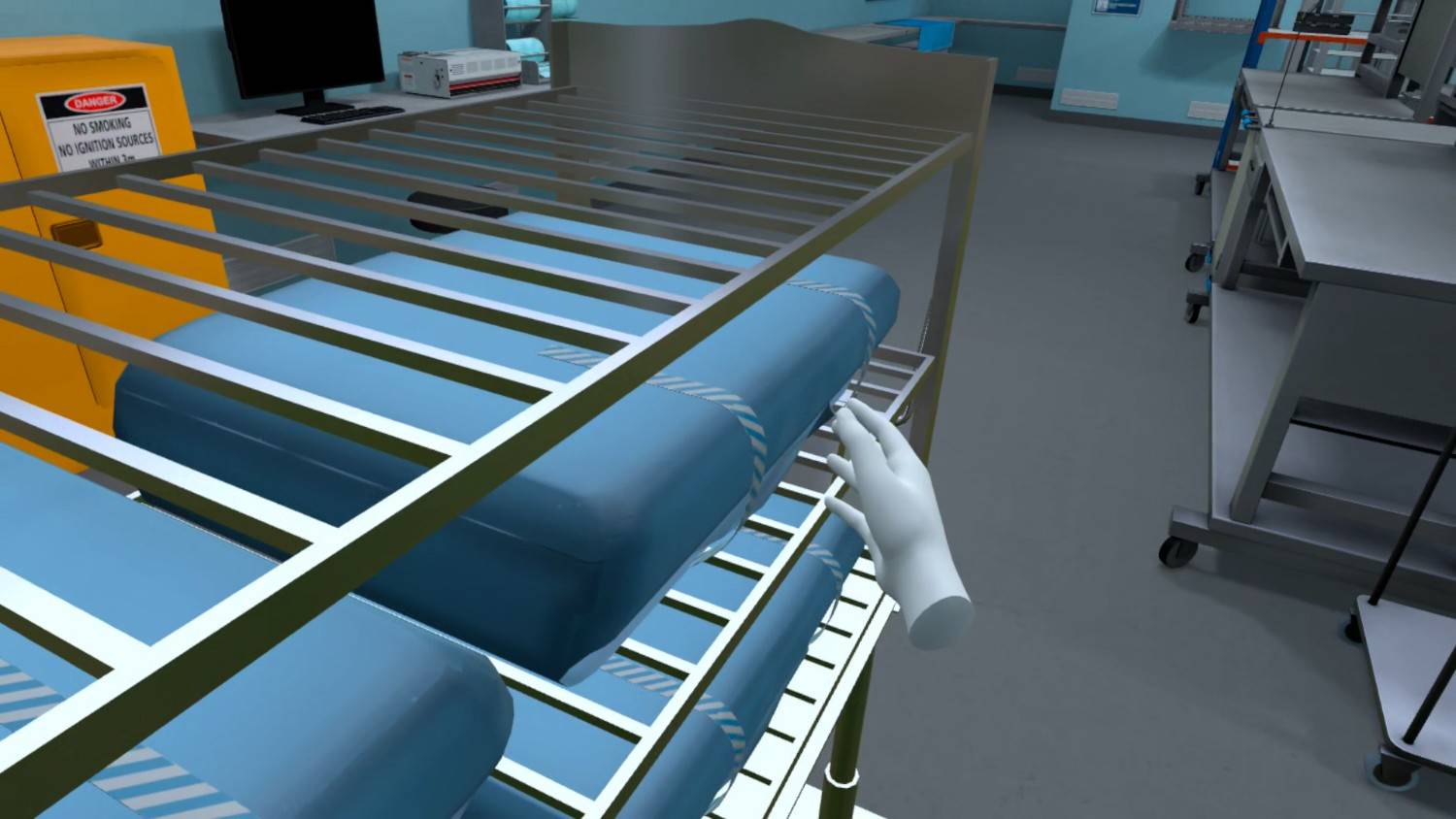
How VR Prepares Students for Clinical Work
VR simulation does not replace clinical experience. Instead, it prepares learners before they enter real sterile processing environments.
Students who rely only on textbooks often enter externships with theoretical knowledge but limited workflow familiarity. Basic tasks like decontamination, instrument handling, sterilization procedures, and contamination control can feel overwhelming in fast-paced clinical settings.
Simulation-based healthcare training helps remove this gap. By practicing sterile processing workflows in a virtual environment, learners build procedural familiarity, infection prevention awareness, and clinical confidence before handling real instruments.
Many career changers in healthcare share a common concern:
“What if I freeze or make a mistake?”
This concern is valid because sterile processing is detail-focused work where patient safety is critical.
VR training cannot replace real clinical hours, but it allows learners to safely practice sterile processing procedures, correct mistakes, and build hands-on competency before externships. Repeated VR simulation practice improves workflow accuracy, knowledge retention, and overall job readiness.
What Modern Sterile Processing Training Includes
Modern sterile processing training should prepare learners for real clinical work, not just theoretical knowledge. The strongest programs combine VR simulation, externship experience, certification preparation, and flexible learning options.
Core Elements of Training Programs:
i) Simulation or VR-based practice:
Hands-on virtual simulation helps trainees build workflow experience, instrument handling skills, contamination control, and sterilization procedures before clinical exposure.
ii) Externship opportunities:
Real clinical experience helps trainees apply workflow skills, infection prevention protocols, and sterile processing procedures in healthcare settings.
iii) CBSPD exam alignment:
Programs should align with the core knowledge and competency areas covered in the CBSPD certification exam.
iv) Career support:
Resume guidance, interview preparation, and employer connections help individuals transition into sterile processing careers more confidently.
v) Flexible learning options:
Self-paced and remote healthcare education helps working adults balance study, work, and family responsibilities.
The strongest sterile processing learning pathways combine simulation training, clinical experience, certification preparation, and career support.
Explore the steps to become a sterile processing technician and prepare for a healthcare career in sterile processing.
Why Fast Learning Matters in Healthcare Settings
Sterile processing departments operate in fast-paced healthcare environments where workflow accuracy directly impacts patient safety and surgical readiness. New sterile processing technicians must follow sterilization procedures, contamination control protocols, and instrument handling workflows correctly from day one.
For example, missed sterilization steps or improperly packaged instruments can disrupt clinical workflows and increase patient safety risks. VR simulation training helps learners repeatedly practice these procedures before entering real clinical environments. This repeated practice improves workflow familiarity, procedural confidence, and overall job readiness.
Frequently Asked Questions:
Q1) How does VR training help sterile processing technicians learn faster?
Ans. VR simulation helps learners build workflow familiarity, procedural memory, and clinical confidence through hands-on repetitive practice instead of passive learning alone.
Q2) Can VR simulation replace clinical experience?
Ans. No. VR training supports skill development and workflow preparation before externships, but it does not replace real clinical experience.
Q3) Why is simulation-based learning important in sterile processing?
Ans. Simulation-based learning helps trainees improve workflow accuracy, infection prevention awareness, procedural confidence, and hands-on competency before entering clinical environments.
Q4) Is VR training better than traditional classroom learning?
Ans. VR simulation adds active hands-on learning to traditional education by helping learners repeatedly practice sterile processing workflows in realistic healthcare environments.
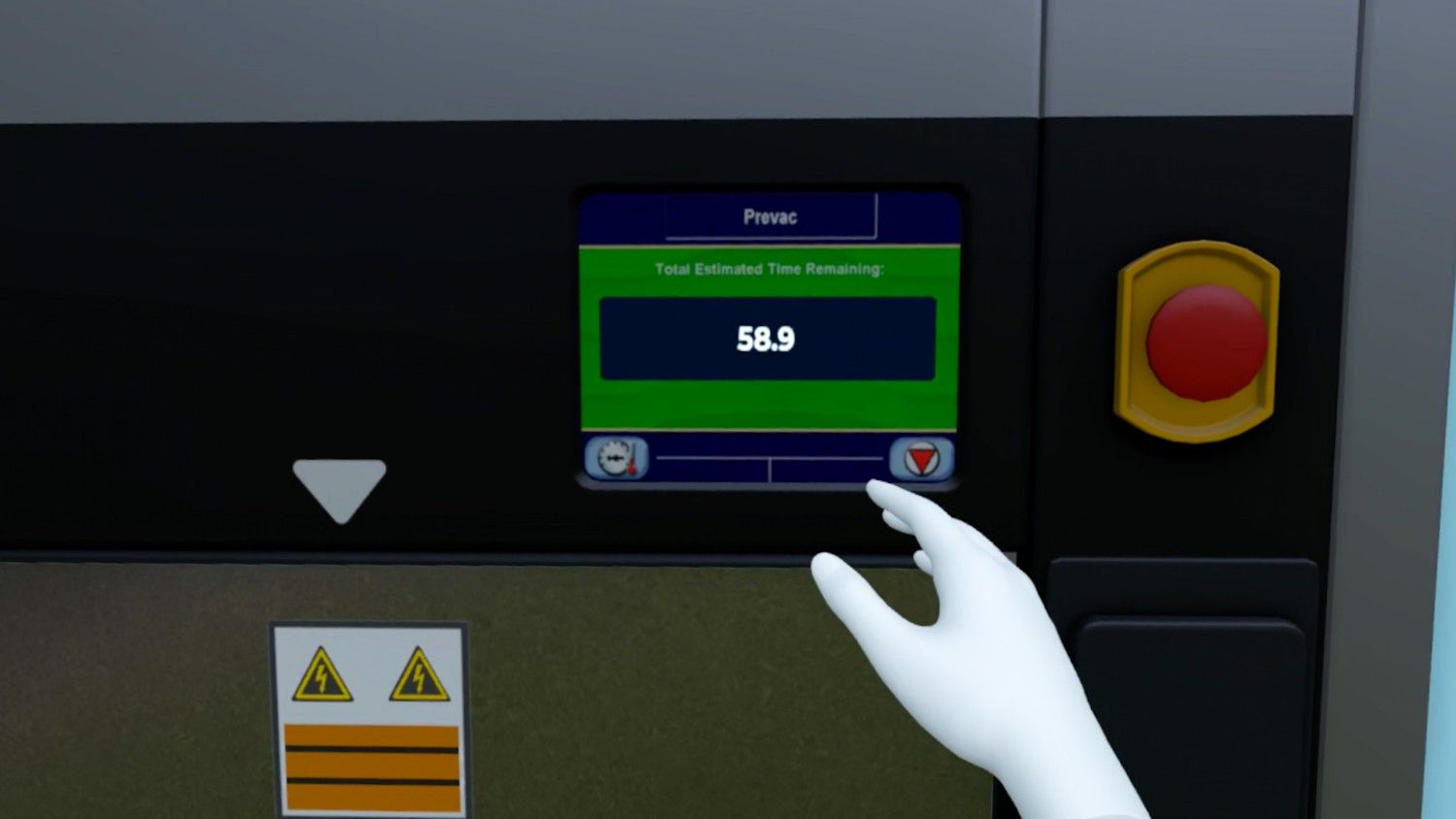
Train Sterile Processing the Modern Way?
Sterile processing is not a role where textbook knowledge alone is enough. The work is fast-paced, detail-focused, and directly linked to patient safety, so practical healthcare preparation requires more than memorization.
VR simulation-based learning helps trainees build workflow familiarity, procedural confidence, and hands-on competency before entering clinical environments. Instead of encountering these workflows for the first time during externships, learners can go through decontamination, sterilization procedures, contamination control, and instrument handling through immersive simulation-based practice.
If you want to enter sterile processing with stronger clinical confidence and real workflow familiarity before your first shift, explore how Sterile Processing Technician training program can help prepare you for real healthcare environments.