
Medical Assistant vs Nursing Assistant (CMA vs CNA)
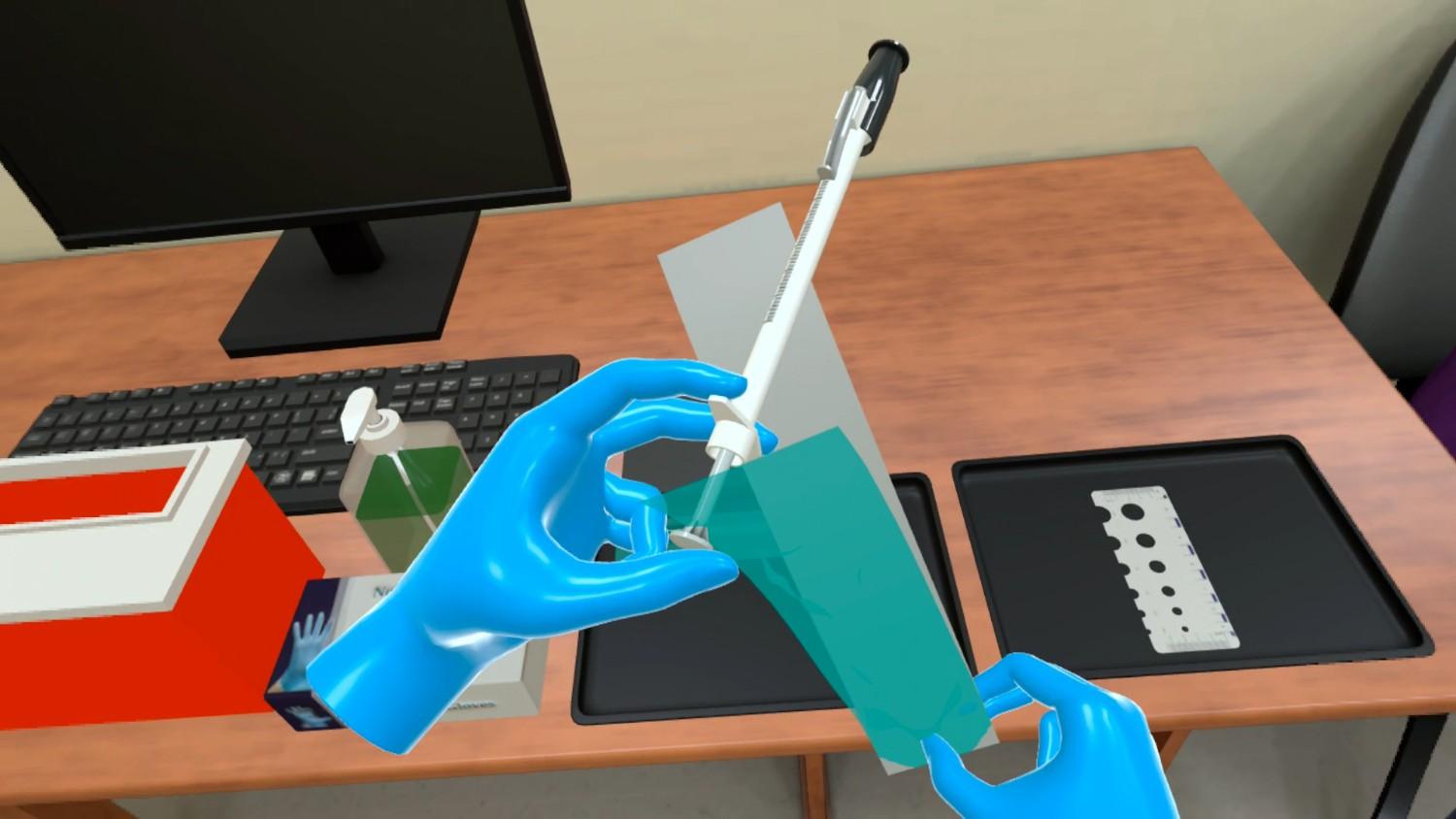
Medical assistants and nursing assistants are two of the fastest ways into healthcare, and people often mix them up. Both work with patients and both can start in a few months of training. The day to day work is very different, though. A clinical medical assistant (CMA) supports doctors in clinics with tasks like vital signs, EKGs and blood draws. A nursing assistant, often called a CNA, helps patients with daily care in hospitals and long term care. This guide compares duties, workplaces, training, certification and pay so you can pick the path that fits you.
The short answer
Choose medical assisting if you like clinical tasks, routines and working alongside a physician in an outpatient office. Choose nursing assisting if you want close, hands-on patient care and are comfortable helping people with bathing, moving and eating, often on shifts that include nights and weekends.
Side by side comparison
| Clinical Medical Assistant | Nursing Assistant | |
| Main focus | Clinical support for a physician or provider | Daily personal care and comfort for patients |
| Common tasks | Vital signs, patient intake, EKGs, specimen collection, injections where allowed, exam room prep | Bathing, dressing, feeding, toileting, repositioning, helping patients walk, taking vital signs |
| Where you work | Physician offices, outpatient clinics, urgent care, specialty practices | Nursing homes, hospitals, assisted living, home health |
| Typical schedule | Mostly daytime, weekday clinic hours | Shift work, often including nights, weekends and holidays |
| Who you report to | Physicians, nurses, practice managers | Licensed nurses (RNs and LPNs) |
| Common credentials | NHA CCMA, AAMA CMA, AMT RMA | State nurse aide certification and registry listing; national options such as the AMCA NAC |
What a clinical medical assistant does
Clinical medical assistants keep a clinic running smoothly between the front desk and the exam room. A typical day includes:
- 1. Rooming patients and recording their history and reason for the visit
- 2. Measuring vital signs such as blood pressure, pulse and temperature
- 3. Performing EKGs and collecting specimens, including blood draws where permitted
- 4. Preparing exam rooms and sterilizing instruments
- 5. Assisting the provider during exams and minor procedures
- 6. Giving patients follow up instructions and updating records
For a closer look at the role, read our guide to what a clinical medical assistant does.
What a nursing assistant does
Nursing assistants spend most of their shift directly with patients, helping with the activities of daily living and keeping the nursing team informed. Common duties include:
- 1. Helping patients bathe, dress, groom and use the bathroom
- 2. Repositioning patients in bed and helping them walk safely
- 3. Serving meals and helping patients eat
- 4. Taking and recording vital signs
- 5. Making beds and keeping rooms clean and safe
- 6. Watching for changes in a patient and reporting them to the nurse
Strong body mechanics matter in this job, because you lift and move people every day. Our nursing assistant skills guide covers the abilities employers look for.

Training and certification
Medical assistant
Most medical assistant programs take a few months to a year. Many employers prefer or require a national certification. The NHA Certified Clinical Medical Assistant (CCMA) is one of the most common. Rules about which tasks a medical assistant may perform, such as injections, vary by state.
Nursing assistant
Nursing assistant programs are usually shorter. In most states, working as a CNA requires completing a state approved training program, passing the state competency exam and being listed on the state nurse aide registry. National certifications such as the AMCA Nursing Assistant Certificate (NAC) are a separate credential. The AMCA NAC is not a state CNA license or certification and does not place you on a state registry, so check your state rules before you choose a program.
A certificate of completion from any school is not a state license. Always confirm what your state requires for the job you want.
Pay and job outlook
According to the U.S. Bureau of Labor Statistics, nursing assistants held about 1.44 million jobs in 2024, with a median annual wage of $39,530. Medical assistants also have strong demand, with more than 811,000 jobs nationwide. Typical salary ranges are about $35,000 to $58,000 or more for medical assistants and about $30,000 to $48,000 or more for nursing assistants. Pay depends on your state, employer, setting and experience.
How to choose
- 1. Pick medical assisting if you want regular daytime hours, enjoy clinical procedures and like a mix of patient contact and organized routine.
- 2. Pick nursing assisting if you want deep, personal patient care, prefer a hospital or long term care setting and are open to shift work.
- 3. Think about your next step. Many nurses start as nursing assistants. Medical assisting builds a strong base for roles in outpatient care, phlebotomy and EKG work.
- 4. Check local job posts. See which role has more openings near you and which credentials employers list.
Training for either path with ImmerseLearn
ImmerseLearn offers both paths as online, hands-on, self-paced, IACET-accredited VR certification programs. Students practice patient care skills in virtual reality with a VR headset included. The Nursing Assistant program also includes a supervised clinical externship in a real healthcare facility.
- 1. Clinical Medical Assistant program: about 20 weeks, with the NHA CCMA exam included.
- 2. Nursing Assistant program: about 12 to 16 weeks, with the AMCA NAC exam included. ImmerseLearn is an approved AMCA testing site.
Short skill lessons such as vital signs and measurements and patient ambulation techniques let you practice core tasks from both roles. Across our programs, students see an 82% completion rate and an 87% job placement rate.
Career services and job placement after you graduate
Whichever path you choose, ImmerseLearn offers job placement support through Career Services. Support includes:
- 1. Help creating and refining a professional resume
- 2. Interview preparation, including mock interviews
- 3. Guided job search support and connections through our employer partner network
Program cost
Both programs use the same payment plans:
- 1. VR Program, with a VR headset shipped at enrollment: $3,800 on a 6-month plan, $4,200 on a 12-month plan or $4,400 on a 15-month plan. Each plan starts with $650 at enrollment.
- 2. Non-VR program, web-based without a VR headset: $2,000 on a 6-month plan or $2,200 on a 9-month plan. Each plan starts with $200 at enrollment.
Bi-weekly payments follow the down payment. For the Clinical Medical Assistant program, eligible military spouses may qualify for up to $4,000 in tuition assistance through the MyCAA program.
FAQs
What is the main difference between a medical assistant and a nursing assistant?
A clinical medical assistant supports physicians in clinics with tasks like vital signs, EKGs and specimen collection. A nursing assistant helps patients with daily care such as bathing, moving and eating, usually in hospitals or long term care.
Is CMA or CNA training shorter?
Nursing assistant training is usually shorter. ImmerseLearn's Nursing Assistant program takes about 12 to 16 weeks and the Clinical Medical Assistant program takes about 20 weeks.
Which pays more, a medical assistant or a nursing assistant?
Medical assistants often earn a little more, with typical ranges of about $35,000 to $58,000 or more, compared with about $30,000 to $48,000 or more for nursing assistants. Pay varies by state, employer and experience.
Is the AMCA NAC the same as a state CNA certification?
No. The AMCA NAC is a national certification. It is not a state CNA license or certification and does not place you on a state nurse aide registry. Check your state requirements.
Can I train for either role online with hands-on VR?
Yes. ImmerseLearn offers both as online, hands-on, self-paced, IACET-accredited VR certification programs. The Nursing Assistant program also includes a supervised clinical externship.
See the full schedule, exam details and payment options on the Clinical Medical Assistant program page, then talk with enrollment before you commit.