

Powered Surgical Instruments in Surgery: Safe Handling
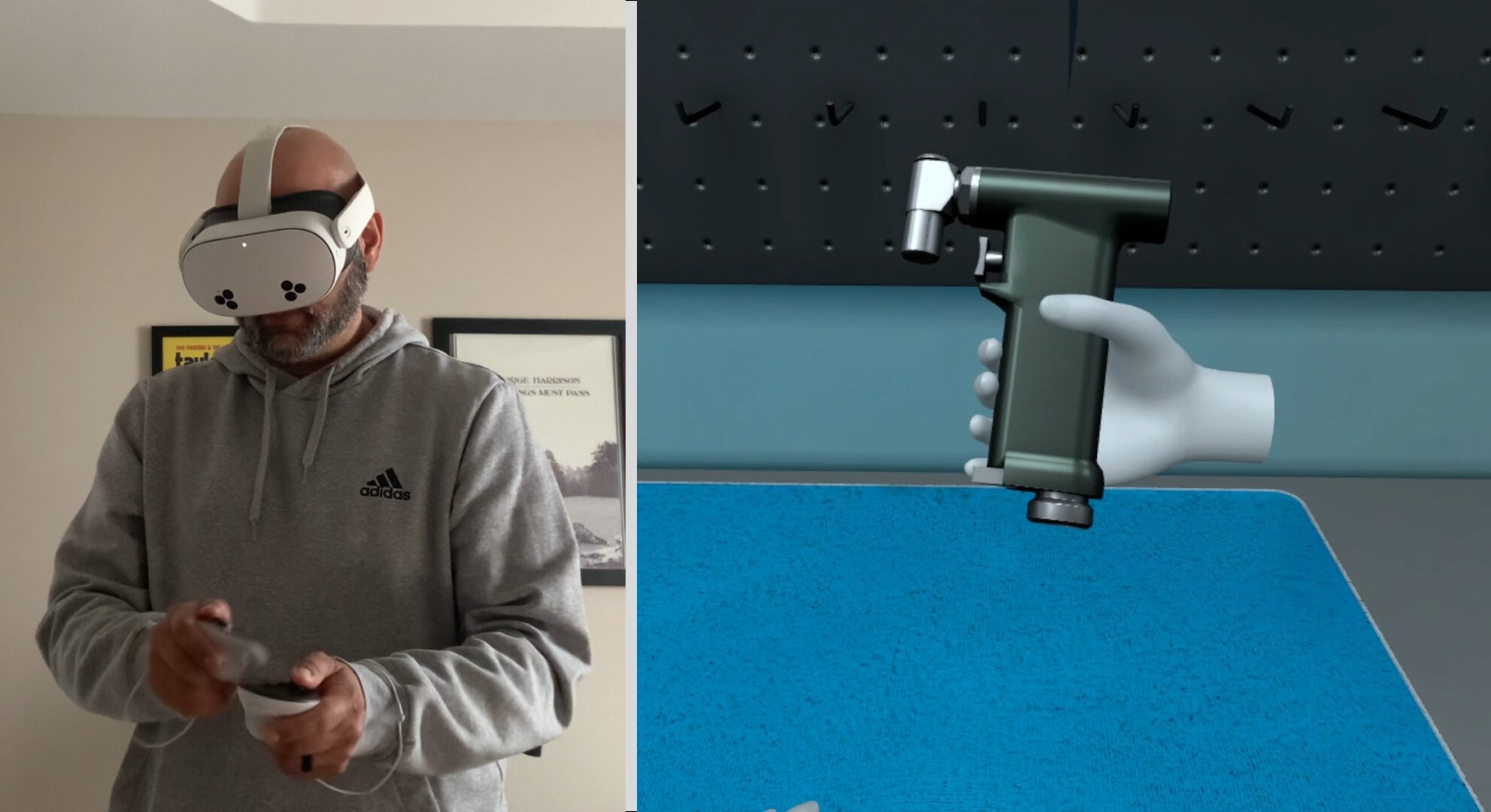
Introduction:
In modern operating rooms, precision is crucial. Surgeons rely on powered surgical instruments to perform complex procedures with enhanced accuracy, control, and efficiency, especially for drilling, cutting, or shaping bone and tissue.
Unlike manual instruments, powered surgical tools use electrical or mechanical energy, enabling consistent and precise performance. Their safety and effectiveness depend on proper handling after each procedure.
After use, every powered surgical instrument must be thoroughly cleaned, inspected, and sterilized to prevent contamination, maintain functionality, and ensure patient safety. Sterile processing and medical instrumentation professionals are essential for keeping these advanced surgical devices safe and ready for use.
This guide covers how powered surgical instruments work, why proper post-procedure handling is vital, and the key sterile processing skills required to manage these instruments safely and effectively.
What Are Powered Surgical Instruments
Powered surgical instruments are specialized medical devices that help surgeons perform procedures requiring precise and controlled mechanical movement. In modern operating rooms, they improve surgical precision, efficiency, and control during complex procedures.
These devices operate using electricity, compressed air, or battery power, generating controlled rotation, oscillation, or vibration that enables tasks difficult with manual surgical instruments.
Powered surgical instruments are widely used in orthopedic surgery, spinal surgery, and reconstructive surgery, where high levels of surgical accuracy and stability are essential.
Key Types of Powered Surgical Instruments:
A) Surgical Drills for Precision Bone Access:
Used to create precise openings in bone for placing screws, plates, or other surgical hardware during orthopedic procedures.
B) Bone Saws for Controlled Cutting:
Bone saws allow surgeons to cut bone in a controlled and consistent manner. These instruments are commonly used in procedures such as joint replacement surgery and bone reconstruction.
C) Surgical Reamers for Accurate Implant Fit:
Surgical reamers are used to shape bone so that orthopedic implants can fit correctly. This process helps ensure proper implant alignment and long term implant stability.
D) Powered Drivers for Fastener Insertion:
Powered drivers assist surgeons when inserting surgical screws or fasteners during surgical repair procedures, improving both speed and precision.
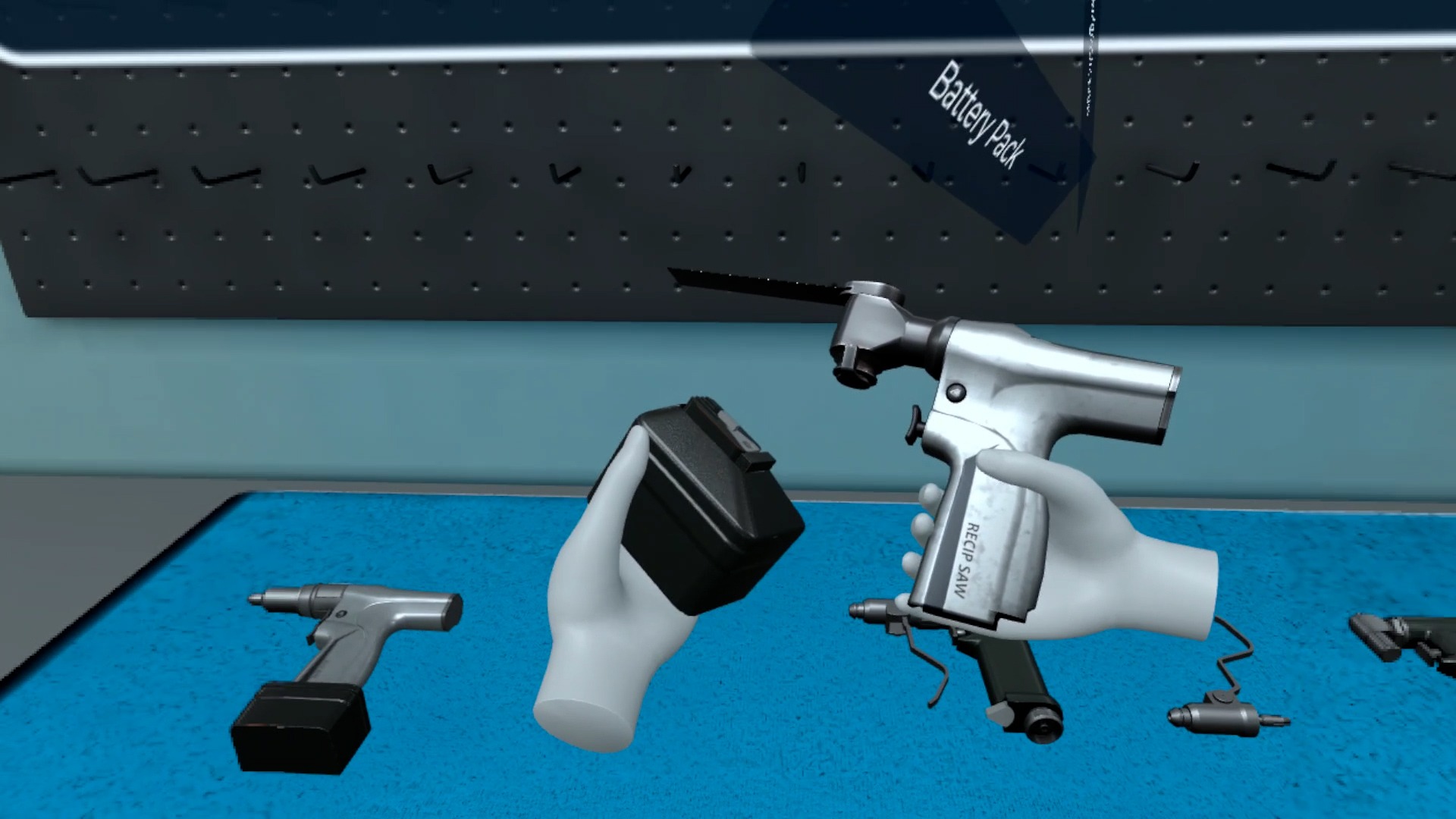
Why Powered Surgical Instruments Require Specialized Handling
Powered surgical instruments are more complex than many other surgical tools used in the operating room. They contain internal moving parts, electrical components, and detachable surgical accessories, requiring careful handling to maintain performance and patient safety.
Improper instrument cleaning, inspection, or instrument reprocessing can create serious risks. If blood, tissue, or biological debris remains inside powered surgical instruments, the sterilization process may be compromised, increasing the risk of surgical site infections and affecting patient safety.
Mechanical failure is another concern. The internal components of powered surgical instruments must remain clean, undamaged, and free from debris to ensure proper function and surgical precision.
To prevent these risks, healthcare facilities and sterile processing departments follow strict instrument reprocessing protocols for powered surgical instruments, including:
A) Careful Disassembly of Powered Surgical Instruments:
Many powered surgical instruments include detachable components such as drill attachments, surgical blades, or battery units. These parts must be separated before the cleaning process begins to ensure all surfaces can be properly accessed.
B) Thorough Cleaning and Sterilization Preparation:
Thorough instrument cleaning removes blood, tissue fragments, and other biological contaminants left on the device after surgery. Sterile processing technicians must ensure that hidden areas and internal connections are properly cleaned.
C) Visual and Functional Instrument Inspection:
After cleaning, sterile processing professionals carefully inspect the instrument to confirm it remains in proper working condition. Any signs of wear, damage, or mechanical malfunction must be identified before the instrument returns to service.
D) Proper Reassembly for Safe Performance:
All components must be reassembled correctly so the powered surgical instrument performs safely and accurately during the next surgical procedure.
E) Preparation for Sterilization and Infection Control:
The final step involves preparing the device for sterilization in a way that protects sensitive instrument components while ensuring complete infection control.
Each step requires strong sterile processing knowledge, attention to detail, and practical skill to ensure powered surgical instruments remain safe, reliable, and ready for use in the operating room.
Learn the core skills needed for sterile processing and surgical instrument handling in modern healthcare environments.
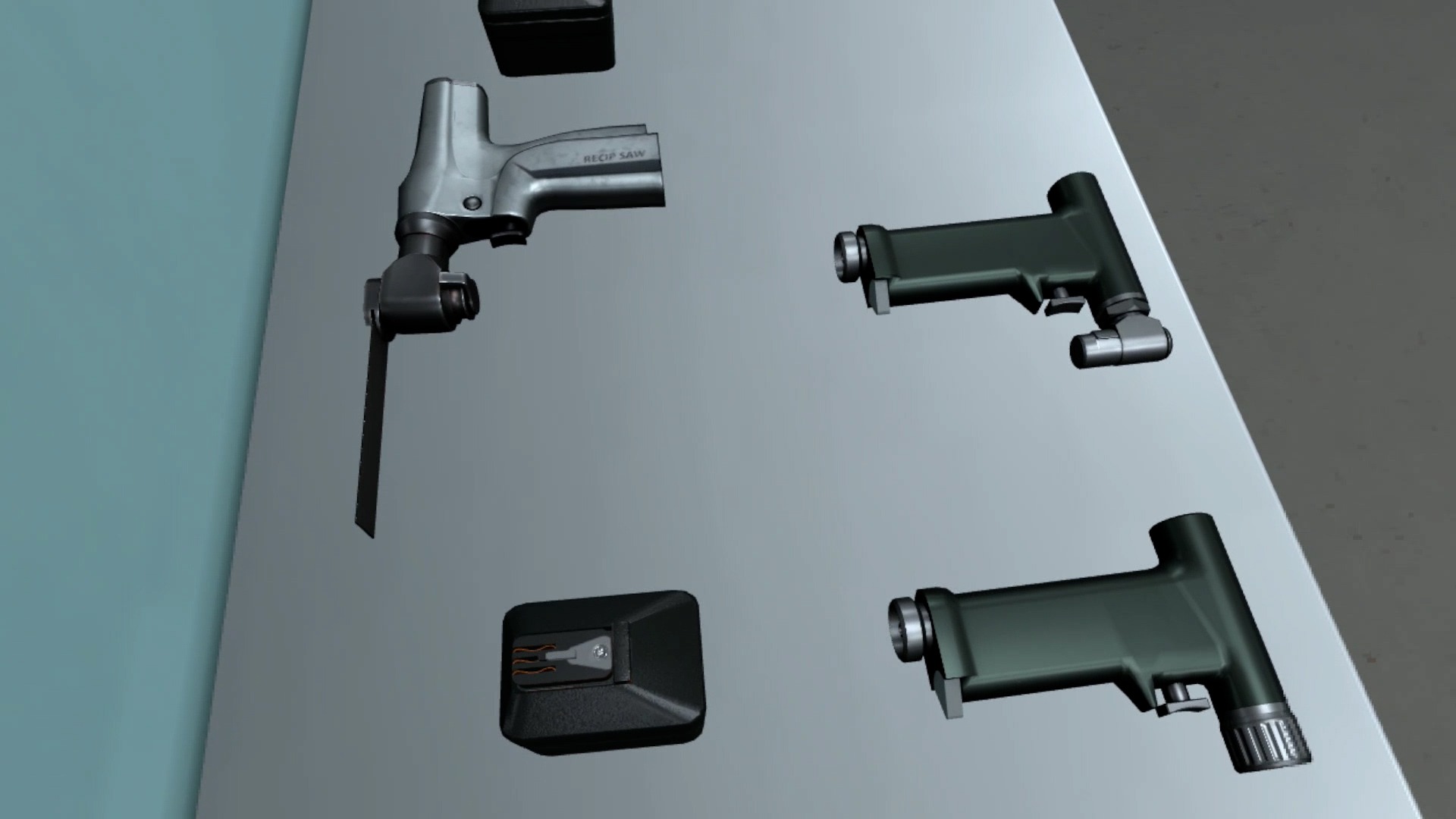
Learning to Work With Powered Surgical Instruments Using VR
Healthcare training has evolved significantly. While traditional classroom learning focuses on theory and demonstrations, it often lacks the hands-on experience needed to confidently work with powered surgical instruments in real clinical environments.
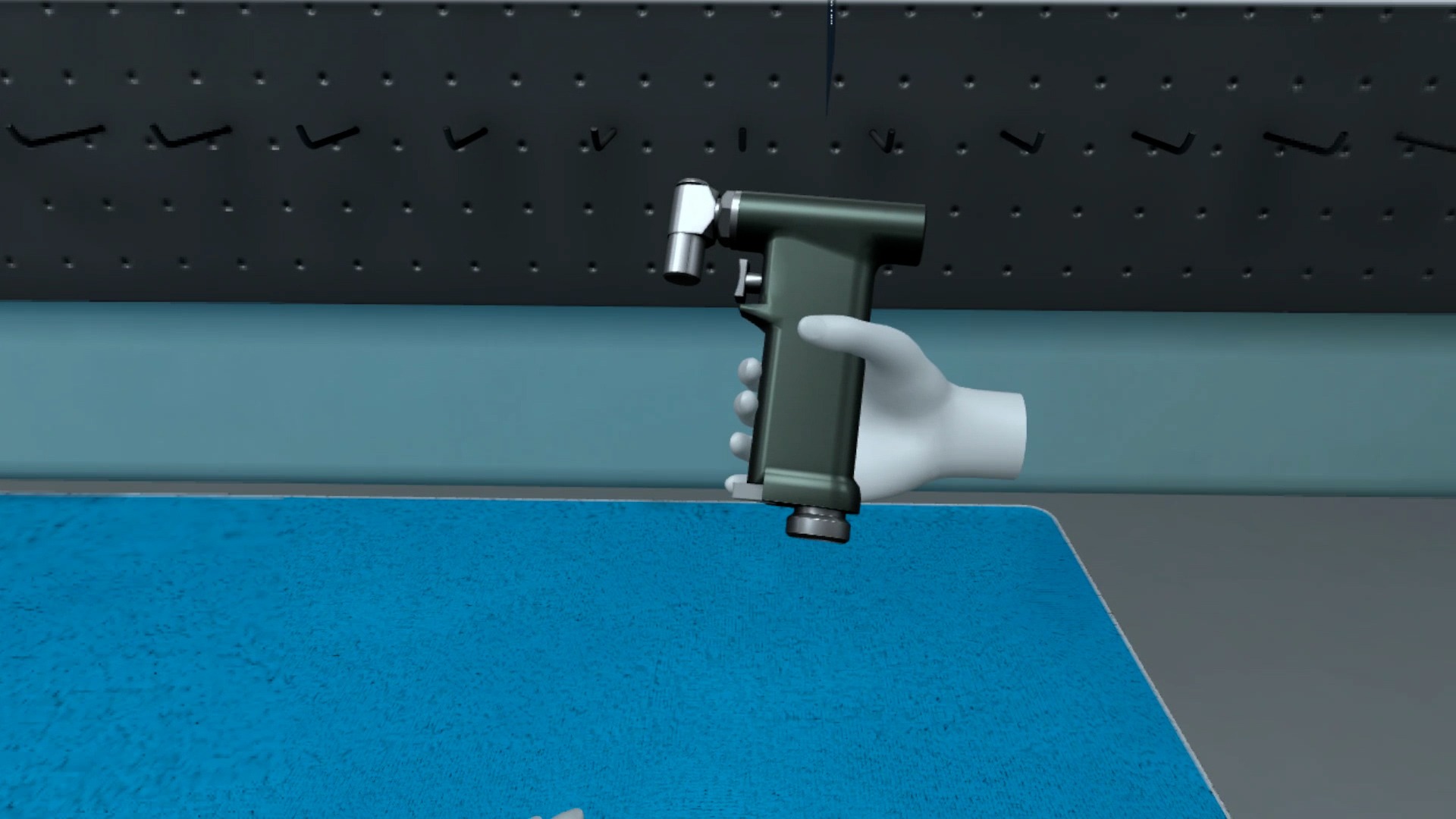
Virtual Reality (VR) training is transforming healthcare education and sterile processing training by providing immersive simulations that replicate real clinical settings. In these environments, learners interact with powered surgical instruments and understand instrument components, attachments, and mechanical functions within the surgical instrument system.
To gain structured, hands-on experience, explore our Powered Surgical Instruments Micro-Credential.
Students practice key skills such as identifying powered surgical instruments, recognizing instrument components and surgical accessories, performing instrument disassembly and instrument cleaning, inspecting instruments for damage, and preparing instruments for sterilization and instrument reprocessing.
A major advantage of simulation-based training is repetition. Repeated practice strengthens technical skills, builds procedural muscle memory, and improves understanding of sterile processing workflows.
As a result, when learners encounter powered surgical instruments in real healthcare facilities, they already have practical experience through virtual reality healthcare training, making the transition to real-world clinical practice safer and more effective.
Transitioning From Simulation Training to Real Clinical Environments
While simulation-based training builds a strong foundation, real healthcare environments allow learners to apply these skills in practice. After developing technical knowledge, learners begin to understand how powered surgical instruments and surgical instrument reprocessing function within real clinical workflows.
Externship experiences provide exposure to sterile processing workflows in hospitals and surgical facilities. Through this experience, students learn how powered surgical instruments move through the surgical instrument lifecycle, from the operating room to the sterile processing department.
During clinical exposure, learners gain insight into how surgical support teams operate and how proper instrument handling, instrument cleaning, and sterilization processes ensure safe surgical procedures.
Key Learning Opportunities in Clinical Externships:
- Observing how surgical instrument sets are organized for procedures
- Understanding how powered surgical instruments move between operating rooms and sterile processing departments
- Watching sterile processing technicians perform instrument cleaning, inspection, and quality checks
- Learning how sterile packaging systems prepare instruments for sterilization
These experiences help connect training with real healthcare workflows while reinforcing the role of sterile processing teams in infection control, instrument safety, and overall surgical readiness.
Explore the steps to become a sterile processing technician and start your healthcare career journey.
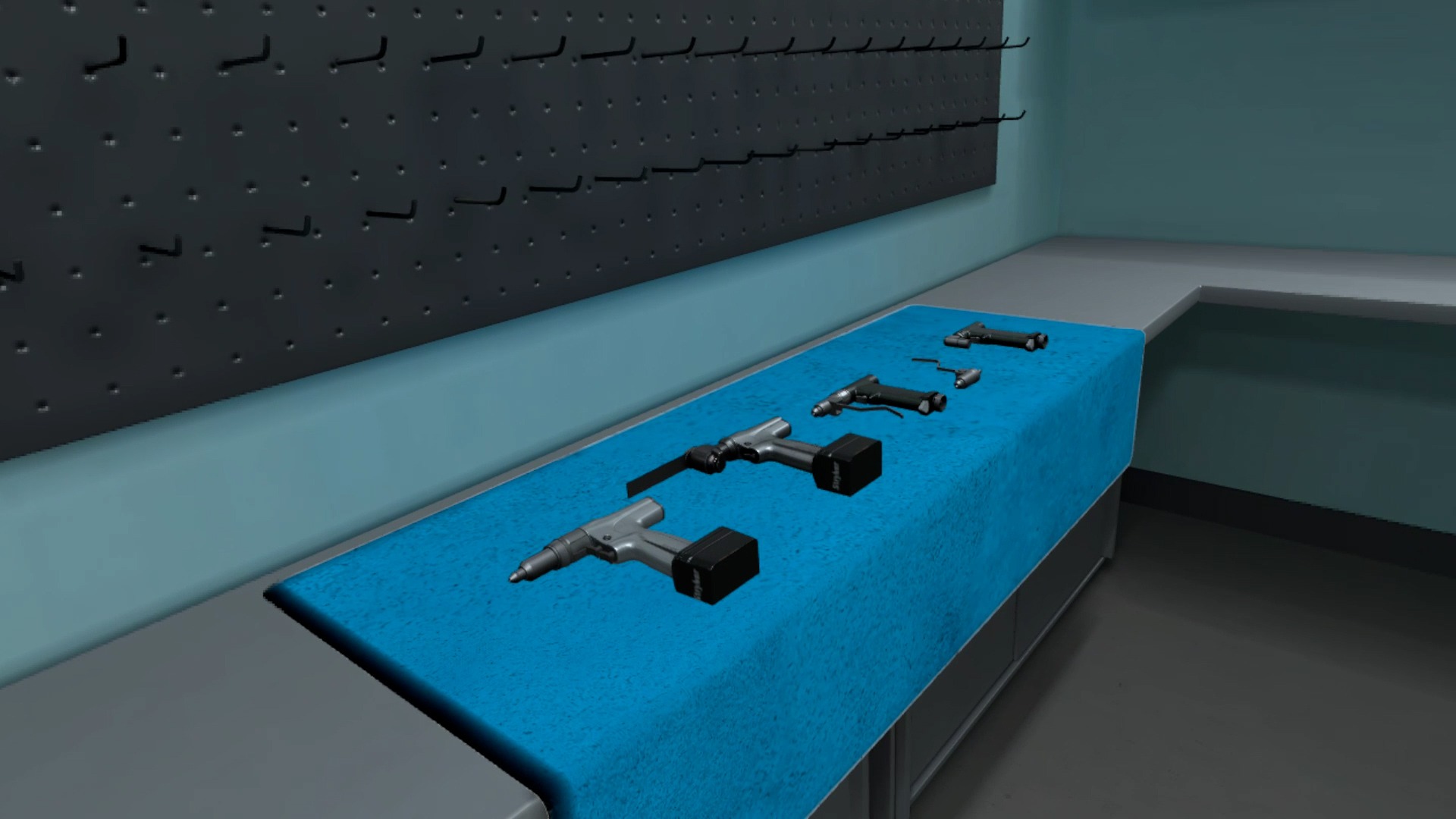
Career Preparation for Powered Surgical Instruments Roles:
Building a successful healthcare career requires more than technical training. In fields involving powered surgical instruments, sterile processing, and medical instrumentation, learners benefit from structured guidance when transitioning from training into the professional workforce.
Strong career development support helps students present their technical training, clinical knowledge, and experience with powered surgical instruments to employers in the healthcare industry.
Common Career Preparation Support Services:
- Resume development highlighting technical skills, sterile processing knowledge, and experience with powered surgical instruments
- Interview preparation to confidently explain knowledge of surgical instruments, instrument reprocessing, and healthcare workflows
- Guidance on job search strategies within healthcare systems, hospitals, and surgical facilities
- Connections with employers seeking trained healthcare support professionals and sterile processing technicians
Why Learners Choose ImmerseLearn for Powered Surgical Instruments:
Students pursuing healthcare careers often prefer training programs that focus on real skill development rather than only theory. When working with powered surgical instruments, sterile processing workflows, and medical instrumentation, practical experience is essential for building confidence and professional readiness.
At ImmerseLearn, we focus on immersive learning that helps students develop real world skills. Through Virtual Reality healthcare training, guided instruction, and practice based learning, we help learners understand powered surgical instruments, surgical instrument handling, and sterile processing procedures used in modern healthcare environments.
Key Program Advantages for Healthcare Training:
- Hands on learning through Virtual Reality simulations for healthcare training and powered surgical instruments practice
- Flexible online healthcare training that allows students to learn from home while building technical skills
- Practice focused education built around real sterile processing workflows and surgical instrument management
- Access to structured learning materials, guided instruction, and training resources
- Exposure to real clinical environments and healthcare operations
- Dedicated student support services to help learners stay on track
- Structured career preparation services that support transitions into healthcare careers and sterile processing roles
This immersive learning approach helps students build the practical knowledge, technical confidence, and readiness required to work with powered surgical instruments and support safe operations in modern healthcare facilities.
To learn more, explore ImmerseLearn's Surgical Technology Technician training program.
Conclusion:
Powered surgical instruments are essential in modern surgical procedures, helping surgeons perform complex operations with greater precision, speed, and control. To ensure safety and reliability, these medical devices must undergo proper instrument cleaning, inspection, instrument reprocessing, and sterilization procedures after every use.
Because of this responsibility, professionals in sterile processing and medical instrumentation play a critical role in modern healthcare environments. By following correct surgical instrument handling, instrument cleaning, and sterile processing workflows, we ensure that powered surgical instruments remain safe and ready for the next procedure.
Through strong healthcare training, hands on practice, and simulation based learning, learners develop the technical skills needed to manage powered surgical instruments, support surgical teams, and maintain high standards of patient safety. Patient safety also starts before the first incision. Our surgical patient positioning and safety microcredential covers the six common operating table positions.
Are you ready to build the practical skills required to work confidently with powered surgical instruments in modern healthcare settings?