
Pharmacy Compounding Skills for Pharmacy Technicians
Introduction:
Not every patient can safely use standard, mass-produced medications. Many healthcare situations require adjusted dosages, modified formulations, or the removal of specific ingredients. For example, a child may need a lower dose, a patient could be allergic to additives, or a hospital patient might require a sterile IV preparation tailored to their needs. In these cases, pharmacy compounding plays a vital role in modern pharmaceutical care.
In customized medication preparation, pharmacists and trained technicians create patient-specific treatments when commercially available drugs do not meet clinical needs. Through these personalized pharmaceutical formulations, professionals ensure each medication meets precise dosage requirements, ingredient sensitivities, and individual treatment plans.
The demand for skilled professionals in compounding continues to rise. Technicians trained in both sterile and non-sterile formulation preparation are highly valued in retail pharmacy operations and hospital settings. This guide explores the practice of pharmacy compounding, essential skills for pharmacy technicians, regulatory standards, and career opportunities in this specialized field of pharmaceutical services.
What Is Pharmacy Compounding?
Pharmacy compounding is the process of preparing patient-specific treatments when commercially manufactured drugs do not fully meet clinical needs. In modern healthcare and pharmaceutical services, pharmacists and trained technicians adjust customized formulations to match individual dosage requirements, ingredient sensitivities, or formulation preferences.
Instead of dispensing standard mass-produced products, professionals create personalized prescriptions tailored to each patient. This can involve adjusting dosage strength, removing allergens or additives, converting tablets into liquid suspensions, or preparing specialized topical, oral, or sterile formulations.
In a compounding facility, these therapeutic formulations are prepared safely by trained professionals. A compounding technician works under the supervision of a licensed pharmacist while following established standards, safety protocols, and quality control procedures. Pharmacy compounding generally includes three main categories:
- Non-sterile compounding: creams, capsules, ointments, and oral suspensions
- Sterile compounding: IV treatments, ophthalmic solutions, and injectable preparations in controlled sterile environments
- Specialized compounding: formulations such as hormone replacement therapy and dermatological treatments for specific patient needs
Each category requires specialized techniques, controlled environments, and strict regulatory compliance to ensure safety and effectiveness. Next, we will explore the different types of custom formulation preparation used in real-world pharmaceutical practice.
Essential Compounding Types for Pharmacy Technicians
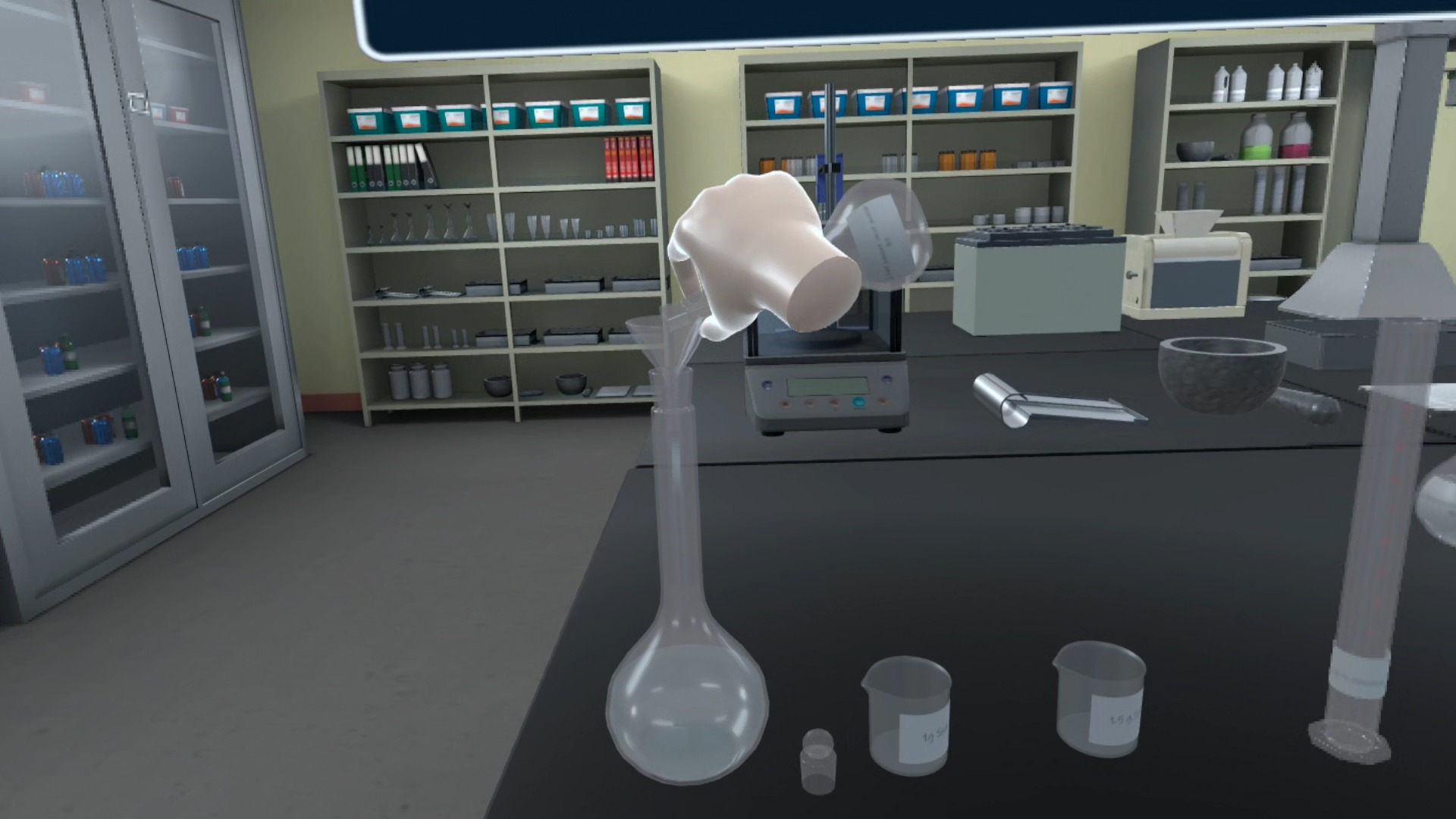
In pharmacy compounding, therapeutic formulations are prepared across various types, each requiring specialized techniques and precise handling. For pharmacy technicians working in medication preparation facilities, hospital dispensaries, and specialty pharmaceutical laboratories, understanding these formulation types is essential for ensuring technical accuracy, patient safety, and strict regulatory compliance. Below are the most common custom preparation categories used in retail and hospital medication centers.
A) Oral Suspension Preparations in Pharmacy Compounding:
In pharmacy compounding, oral suspensions are frequently used for patients who cannot safely swallow tablets or capsules, particularly among pediatric and geriatric populations. In these situations, pharmacists and trained technicians prepare a liquid medication formulation that enables easier and more precise administration. This process typically involves:
- Crushing tablets or using pharmaceutical-grade bulk powders
- Performing accurate dosage calculations
- Selecting a suitable suspending vehicle
- Ensuring uniform drug distribution throughout the liquid base
Because suspensions must provide consistent dosing, precise concentration, thorough mixing, and even dispersion are critical in medication preparation. Even minor errors in calculations can significantly affect therapeutic effectiveness and patient safety.
B) Vaginal Formulation Techniques:
Vaginal formulation compounding is a critical practice, frequently applied for hormone therapy, infection management, and specialized gynecological treatments. When preparing these patient-specific therapies, professionals carefully choose the appropriate base, measure ingredients with precision, and follow strict cleanliness and handling protocols.
Because these treatments are highly individualized, meticulous attention ensures safe and effective therapeutic outcomes. Training in this type of custom gynecological preparation equips pharmacy technicians with the knowledge of sensitivity, workflow, and procedural standards required in real-world medication preparation environments.
C) Topical Gel Compounding:
Topical gel compounding is widely applied in dermatology and pain management therapies. In this area of custom formulation practice, professionals develop medications designed for direct skin application.
To ensure quality and effectiveness, technicians perform uniform mixing and proper levigation techniques so that the active pharmaceutical ingredient is evenly distributed throughout the semi-solid base. Consistency is essential, as the treatment must have a smooth texture while delivering the correct dose with each application. Modern training simulations for topical formulations allow learners to practice these workflows before working in live medication preparation environments.
D) Patient-Specific Solution Formulations:
In custom solution preparation, therapeutic formulations are fully dissolved in a liquid medium to create a uniform product. These patient-specific liquids may include sterile preparations such as IV treatments, ophthalmic drops, and otic solutions commonly produced in hospital medication centers.
The process requires careful solubility calculations, appropriate solvent selection, precise measurements, and thorough documentation. Understanding solution compounding at a patient-specific level equips technicians with the skills needed to safely and accurately prepare these formulations in professional healthcare environments.
To gain structured, hands-on experience, explore our Patient-Specific Solution Compounding.
E) Emulsion-Based Medication Preparations:
Emulsion compounding combines oil and water phases to create creams, lotions, and other topical or nutritional formulations. The key challenge is maintaining formulation stability. Technicians ensure a stable, effective product by:
- Using proper mixing and blending techniques
- Applying suitable emulsifying agents
- Preventing phase separation
- Verifying uniform texture and stability before dispensing
Improperly stabilized emulsions can cause inconsistent dosing, reduced product quality, and compromised medication effectiveness, making precision and quality control essential in pharmacy compounding.
Core Skills for Pharmacy Compounding Technicians
Pharmacy compounding demands accuracy, technical expertise, and a specialized skill set to ensure every medication is prepared safely, precisely, and in compliance with pharmaceutical standards. For technicians working in medication preparation facilities, hospitals, or specialty laboratories, mastering these core competencies is essential for treatment quality and patient safety.
Must-Have Compounding Skills:
- Pharmaceutical calculations: Ensure accurate dosages and prevent errors that could affect treatment outcomes.
- Precision measurement: Utilize electronic balances, calibrated tools, and formulation equipment to maintain accuracy.
- Aseptic technique: Critical for sterile preparations, including IV treatments and ophthalmic solutions.
- Drug compatibility awareness: Know which ingredients and bases can safely combine to preserve stability and effectiveness.
- Documentation accuracy: Record lot numbers, expiration dates, preparation steps, and beyond-use dates for traceability and regulatory compliance.
- Regulatory compliance: Consistently follow USP guidelines and safety protocols.
- Equipment operation: Confidently handle laminar airflow hoods, mixers, capsule-filling machines, and other preparation tools.
These competencies are developed through structured online Pharmacy Technician program combining theory, hands-on practice, and simulation-based exercises to build workflow confidence before live pharmacy practice.
.jpg)
Regulations and Standards in Pharmacy Compounding
In pharmacy compounding, regulatory standards ensure patient safety and consistent therapeutic product quality. These guidelines govern preparation procedures, documentation, handling practices, environmental controls, equipment maintenance, and personnel training. For technicians working in hospital, retail, or specialty medication facilities, understanding these regulations is essential for safe and compliant pharmaceutical practices.
1) USP <795>: Guidelines for Non-Sterile Compounding
USP <795> defines standards for non-sterile pharmacy compounding, covering formulations such as oral suspensions, capsules, creams, ointments, gels, and other topical therapies. Key requirements include:
- Designated preparation areas separate from routine workflow
- Proper facility layout and upkeep to minimize contamination
- Precise beyond-use dating (BUD) based on formulation stability
- Ingredient verification, rigorous control measures, and detailed documentation
- Regular equipment cleaning and servicing
- Personnel training, hygiene, and competency assessments
The purpose of USP <795> is to ensure that non-sterile preparations are safe, precise, and consistent while maintaining high pharmaceutical standards.
2) USP <797>: Sterile Compounding Guidelines
USP <797> governs sterile pharmacy compounding, covering IV drugs, injectables, ophthalmic solutions, and hospital admixtures that must remain free from pathogen contamination.
Key requirements include:
- ISO-classified cleanroom environments for aseptic preparation
- Primary engineering controls such as laminar airflow workbenches
- Strict garbing, hand hygiene, and aseptic technique validation
- Ongoing environmental monitoring of air and surfaces
- Prevention of microbial risks and continuous quality assurance
- Detailed documentation and competency assessments
These standards reduce the risk of contamination and ensure patient safety in high-risk sterile formulation practices within hospitals and specialized medication preparation environments.
3) USP <800>: Handling Hazardous Medications
USP <800> sets standards for the safe handling of hazardous medications, including chemotherapy treatments and other high-risk compounds.
Key requirements include:
- Use of personal protective equipment (PPE)
- Containment and proper storage of dangerous medications
- Controlled preparation workflows to ensure personnel safety
- Exposure prevention measures to protect medical staff
Following USP <800> guidelines ensures pharmacy teams effectively manage hazardous therapeutics while safeguarding both patients and healthcare professionals in specialized medication preparation environments.
Essential Tools and Equipment for Compounding
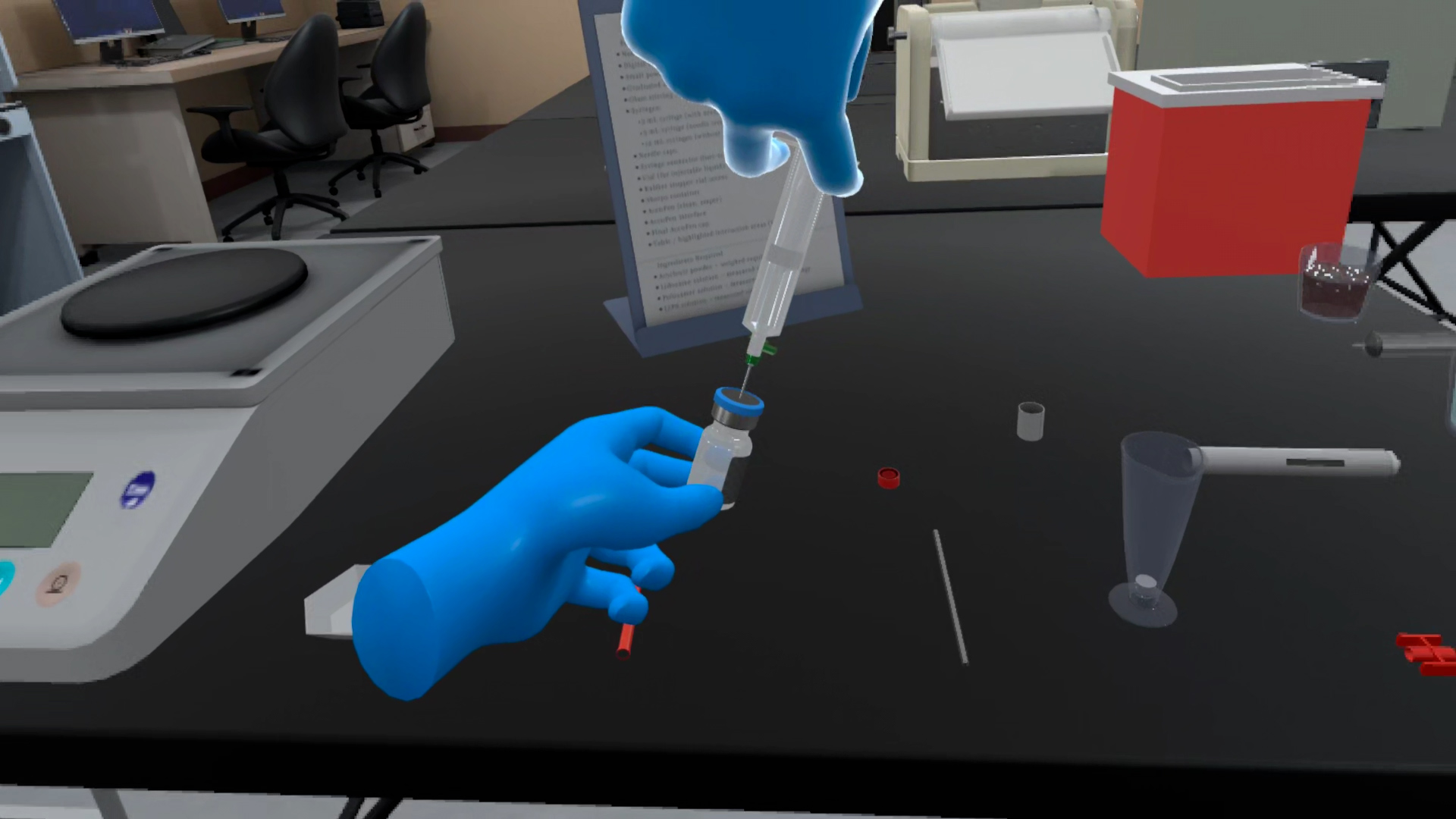
In pharmacy compounding, precision and accuracy are critical for medication quality and patient safety. Creating customized, patient-specific therapeutics relies on specialized preparation tools and pharmaceutical equipment for exact measurements, proper mixing, and consistent product consistency.
Key tools include mortars and pestles for grinding powders, electronic balances for precise dosing, graduated cylinders for liquids, spatulas and ointment slabs for creams and gels, and capsule-filling machines for uniform capsules. In sterile environments, laminar airflow workbenches support aseptic preparation. Routine cleaning, calibration, and equipment maintenance ensure formulation integrity, dosing accuracy, and adherence to pharmaceutical preparation standards.
Training Path for Pharmacy Compounding Technicians
Building a career in pharmacy compounding requires foundational knowledge, technical skills, and hands-on practice. Because compounded medications must meet strict precision and safety standards, proper training is essential.
Step-by-Step Compounding Training Process:
- Learn pharmacology fundamentals and drug classifications: Understand medication properties, therapeutic uses, and chemical behavior to ensure safe preparation.
- Develop compounding-specific technical skills: Master sterile and non-sterile preparation techniques, dosage calculations, precise measurements, formulation methods, and equipment operation.
- Practice in simulated environments: Simulation-based exercises build accuracy, confidence, and proficiency before handling actual therapeutics.
- Complete clinical externships: Gain supervised experience in retail pharmacies, hospital settings, or specialized compounding laboratories.
- Prepare for professional certification: Certification validates competency and improves career opportunities in compounding pharmacy.
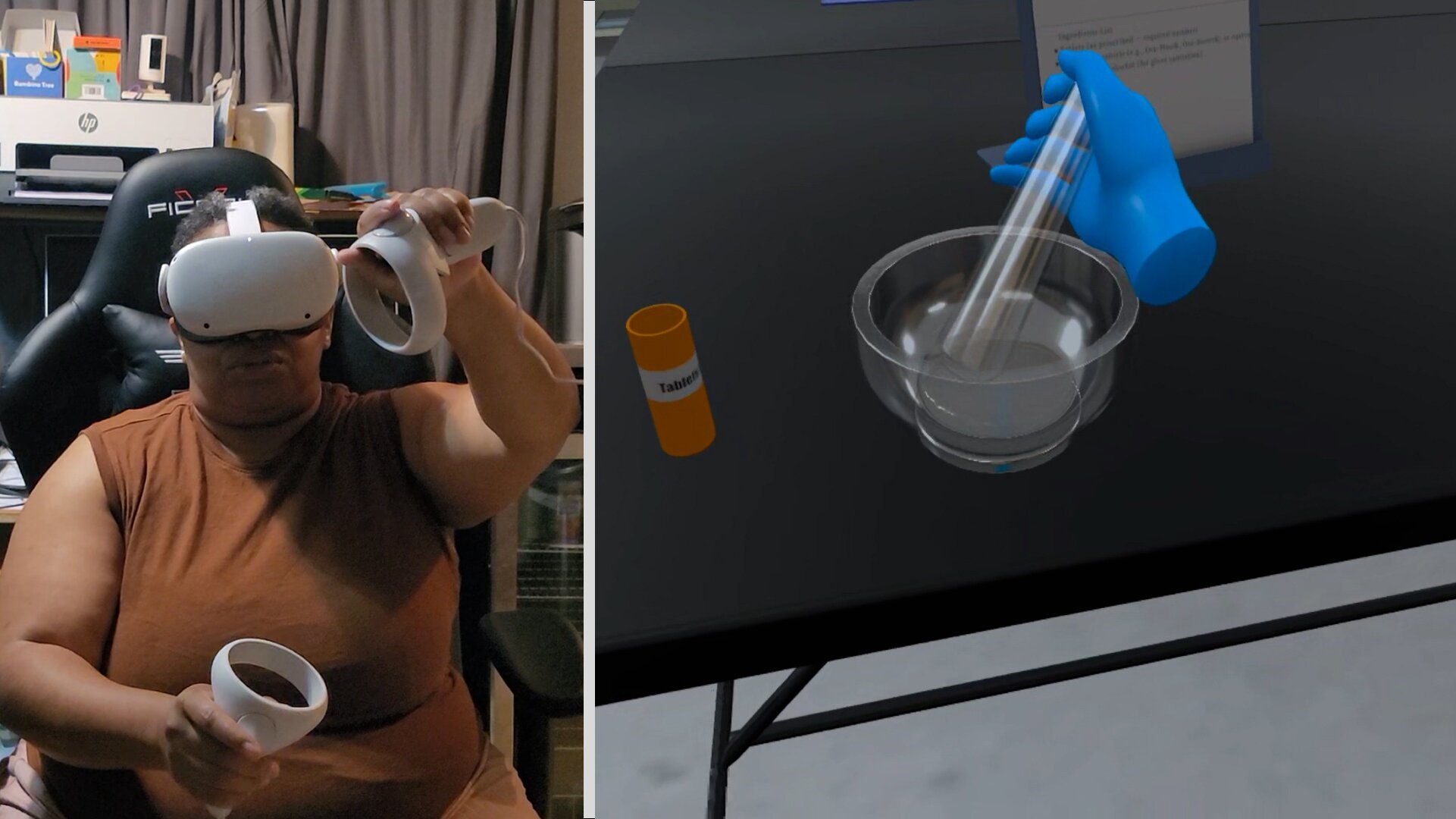
Modern educational programs often integrate immersive simulation technology, allowing technicians to safely refine their skills while minimizing patient risk.
Modern Training Techniques in Pharmacy Compounding
Challenges of Traditional Pharmacy Compounding Training:
In pharmacy compounding, theoretical knowledge alone is not enough. Textbooks explain formulation techniques, dosage calculations, and regulatory guidelines, but they cannot replicate practical experience in real-world pharmacy settings. Traditional learning often falls short of simulating workflow realities, such as time-sensitive preparation, proper workspace setup, precise measurements, and compliant record-keeping.
True proficiency requires skills-based practice, allowing technicians to develop expertise, ensure safe and accurate therapeutic formulations, and confidently handle real-world challenges in retail, hospital, and specialized compounding environments.
Advantages of Simulation-Based Pharmacy Training:
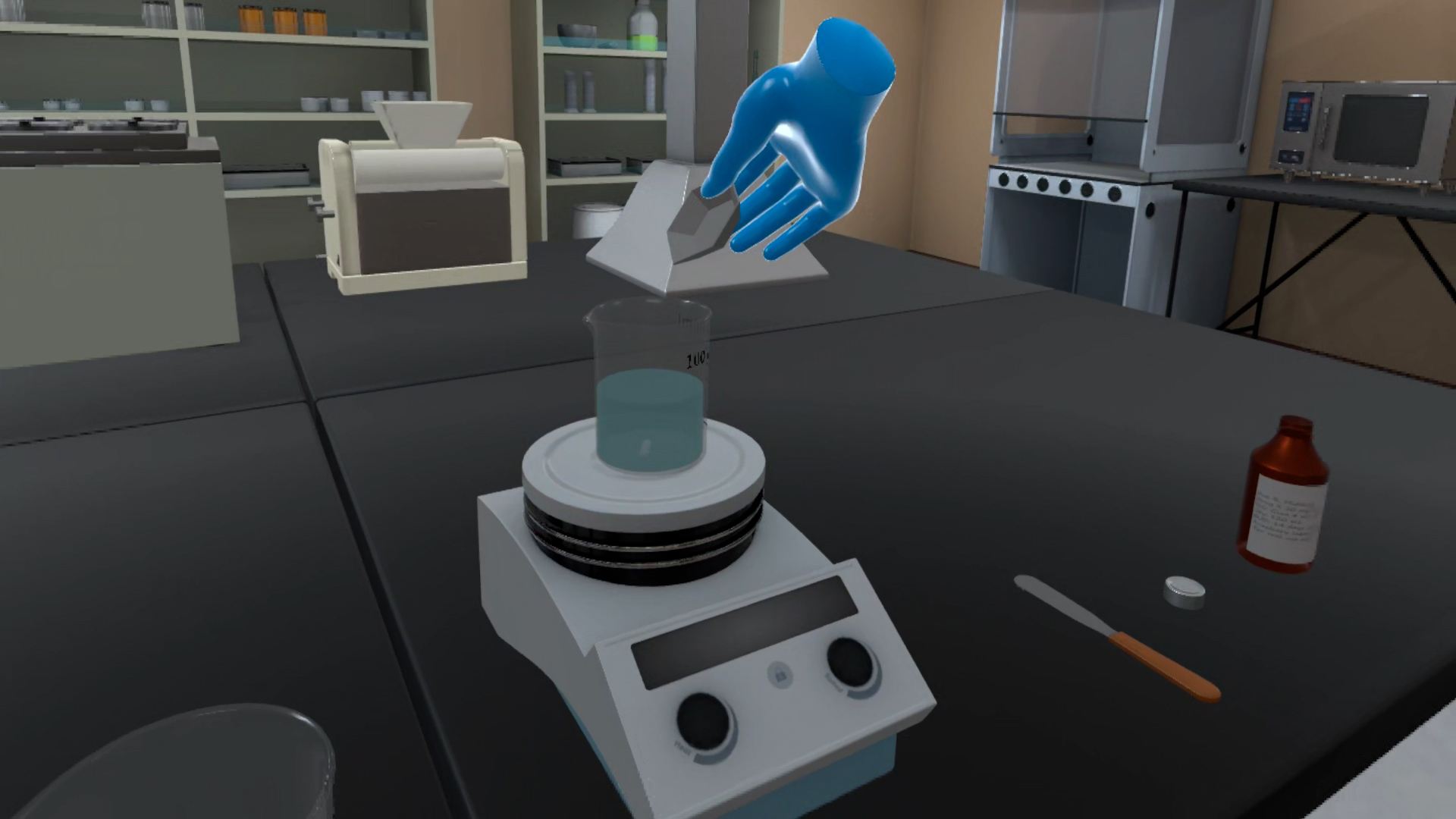
Modern technician education increasingly incorporates interactive simulations and practical exercises to enhance medication preparation skills. These controlled, risk-free environments let learners experience real pharmacy compounding workflows while building technical confidence.
Through these simulated modules, technicians can:
- Perform pharmaceutical calculations in realistic scenarios
- Follow structured preparation protocols step by step
- Make and correct errors safely
- Develop muscle memory for precise formulation techniques
By combining theory with hands-on simulation, this approach bridges classroom instruction and workplace readiness, ensuring future technicians deliver safe and effective compounded therapies in clinical and retail settings.
Our Pharmacy Technician Training Program offers immersive simulations that turn theory into real-world skills.
CPhT Certification for Compounding Technicians
Professional certification validates a pharmacy technician’s expertise, skills, and commitment to patient well-being. The Certified Pharmacy Technician (CPhT) credential from the National Healthcareer Association (NHA) evaluates foundational knowledge and regulatory competence for modern medication preparation.
The CPhT (ExCPT) exam includes topics such as formulation procedures, pharmaceutical calculations, adherence to safety protocols, regulatory compliance, and proper handling of medications. A solid understanding of compounding workflows, protective measures, and preparation techniques not only enhances exam readiness but also boosts confidence in retail and hospital settings.
Earning CPhT certification highlights professionalism and credibility to employers, strengthens career prospects, and supports long-term growth in clinical and healthcare environments. Official ExCPT Test Plan
Career Path and Salary for Compounding Technicians
Pharmacy technicians are essential in pharmacy compounding, ensuring precise dosing, patient well-being, and adherence to regulatory standards. Growing demand for personalized treatments keeps trained compounding professionals highly sought after. According to the U.S. Bureau of Labor Statistics, there are approximately 460,280 positions in this field nationwide, with salaries ranging from $32,000 to $58,000 depending on experience, location, and clinical environment.
Expertise in both sterile and non-sterile formulations provides a competitive edge, opening opportunities in hospitals, retail drug stores, specialized compounding laboratories, and long-term care facilities. As individualized medication services expand, professionals with compounding experience benefit from career growth, stability, and advancement within the pharmaceutical and healthcare sectors.
Challenges in Compounding and Training Solutions
In pharmacy compounding, precision, accuracy, and strict attention to detail are vital for medication safety and quality. Customized medications make even minor errors in dosage calculations, aseptic technique, regulatory compliance, or workflow sequencing potentially impactful on patient outcomes.
Primary Compounding Challenges:
- Dosage miscalculations affecting medication accuracy
- Sterility breaches during sterile compounding
- Regulatory compliance pressures with USP standards
- Workflow sequencing errors impacting consistency and quality
Structured simulation-based training addresses these challenges by allowing pharmacy technicians to practice sterile and non-sterile compounding in controlled environments. Hands-on training builds technical competence, confidence, and workflow accuracy, reduces procedural anxiety, and ensures safe, high-quality compounded medications in real-world pharmacy practice.
.jpg)
FAQs About Pharmacy Compounding:
Q1) What is non-sterile compounding?
Ans: Non-sterile preparation involves creating customized medications such as creams, capsules, and oral suspensions that don’t require a sterile environment. These formulations are tailored for individual patient needs.
Q2) How does sterile compounding differ?
Ans: Sterile preparation produces contamination-free products like IV medications in controlled cleanrooms. Non-sterile formulations include creams, ointments, and capsules made in designated areas under strict quality standards.
Q3) Do pharmacy technicians perform compounding?
Ans: Yes. Technicians assist licensed pharmacists in preparing medications safely, adhering to regulatory and quality guidelines.
Q4) What regulations govern medication preparation?
Ans: Preparation practices are regulated by USP standards <795>, <797>, and <800> to ensure safety, proper handling, and consistent product quality.
Q5) How can one become a compounding technician?
Ans: Complete pharmacy technician training, develop specialized skills, gain hands-on experience, and earn certification to advance professionally.
Q6) Is pharmacy compounding safe?
Ans: Yes. When performed according to USP guidelines and quality control protocols, customized medication preparation is safe, effective, and patient-specific.
Conclusion: Pharmacy Compounding as a Career
Pharmacy compounding is a patient-centered practice that impacts medication effectiveness and health outcomes. It combines pharmaceutical science, precision drug formulation, and regulatory adherence to create therapies tailored to individual patient needs.
For professionals who value accuracy, responsibility, and hands-on clinical work, this specialized field offers a rewarding career. It covers sterile and non-sterile preparation, formulation techniques, dosage calculations, and regulatory knowledge, which are skills uncommon in traditional technician roles.
As personalized medicine and customized therapies expand, demand for skilled preparation specialists continues to grow. Structured training, certification, and practical experience equip professionals with the expertise, credibility, and confidence needed to make a meaningful impact on patient care.
Are you ready to master the precision and skills to excel as a pharmacy compounding professional?